
Ceramiche

Le nostre stoviglie vengono da Toki, nella prefettura di Gifu, il cuore della ceramica Mino, uno stile prodotto nelle stesse valli da più di milletrecento anni. Il Mino è un artigianato tradizionale protetto, noto per le glasse inventive e per forme che altre fornaci non tenterebbero: è per questo che due pezzi non escono mai uguali.
Qui trovi ciotole da riso con coperchio e cucchiaio in legno, dripper per caffè pour over con tazze coordinate, tazze da tè dipinte a mano, set di tazze da sake ochoko e set con mortaio e pestello. Tutto è pensato per l’uso quotidiano, non per l’esposizione.
Filtri
27 articoli
Ordina Best seller
-
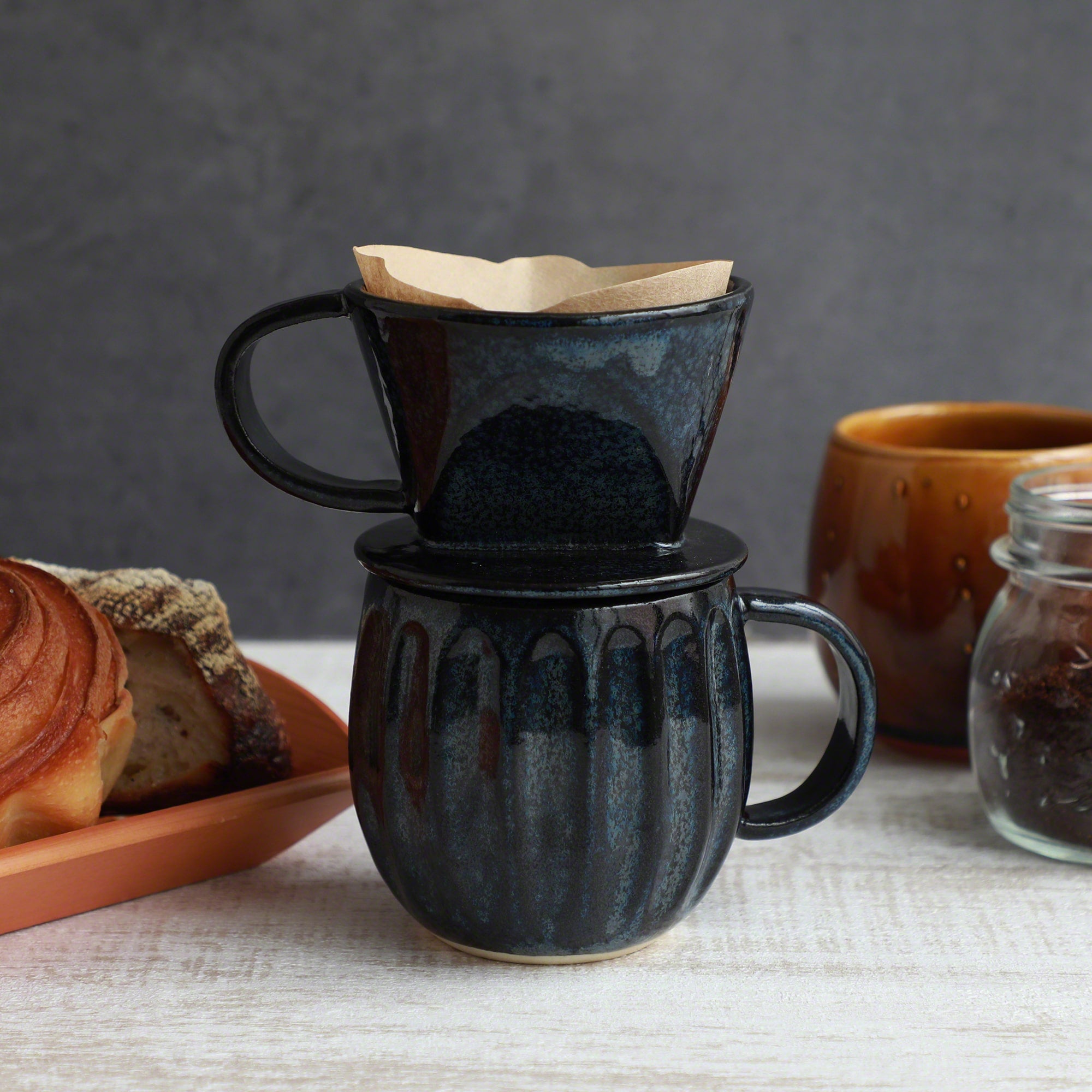
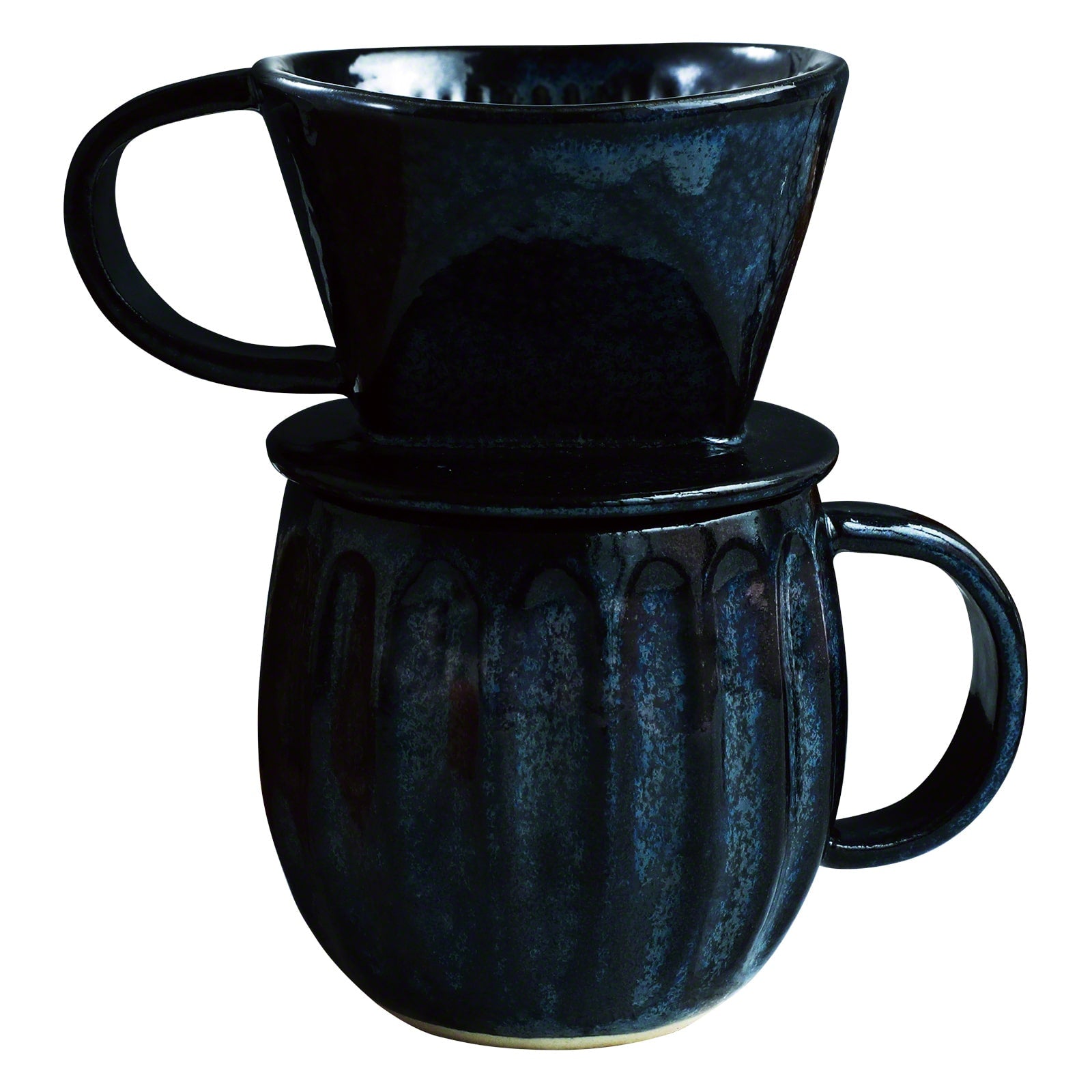
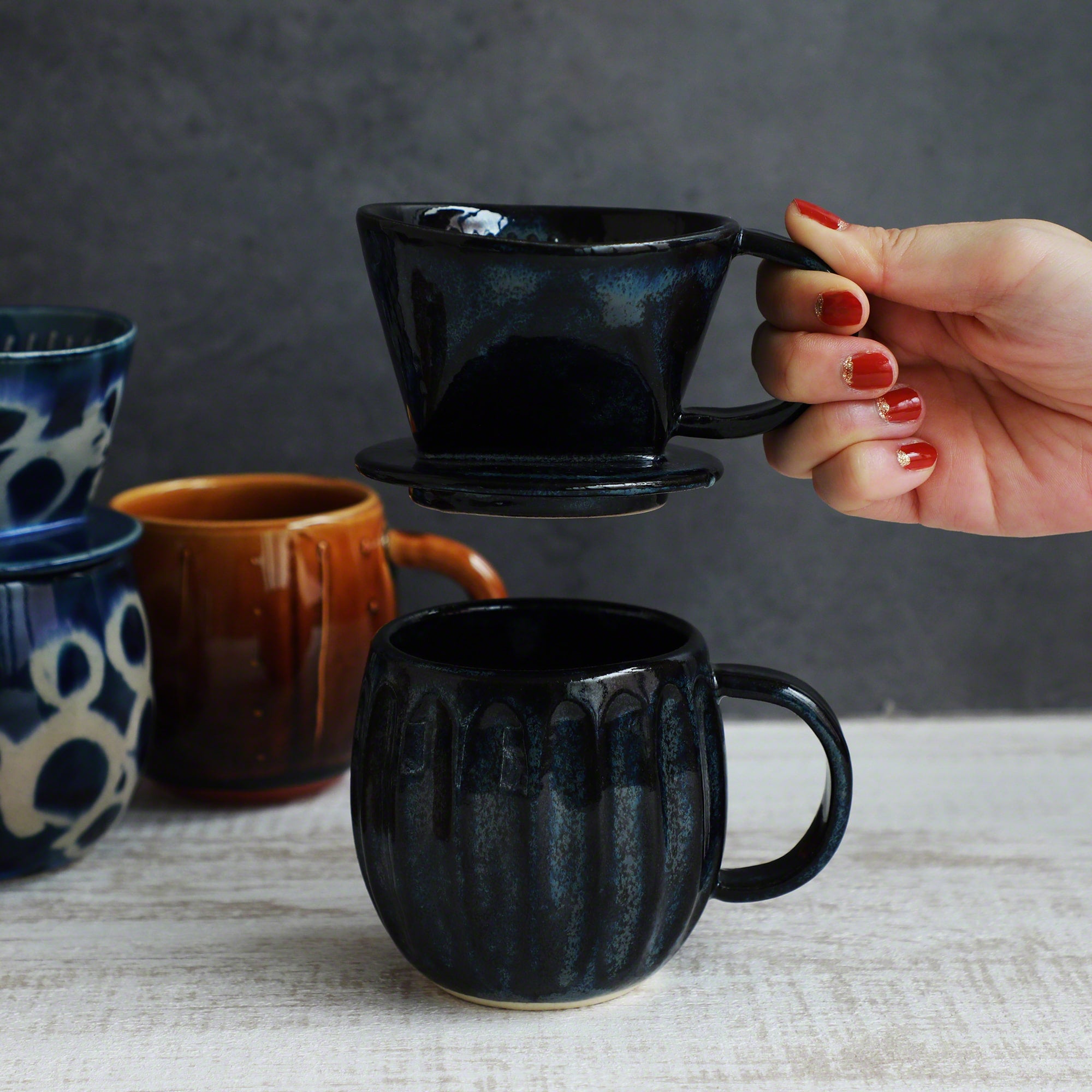
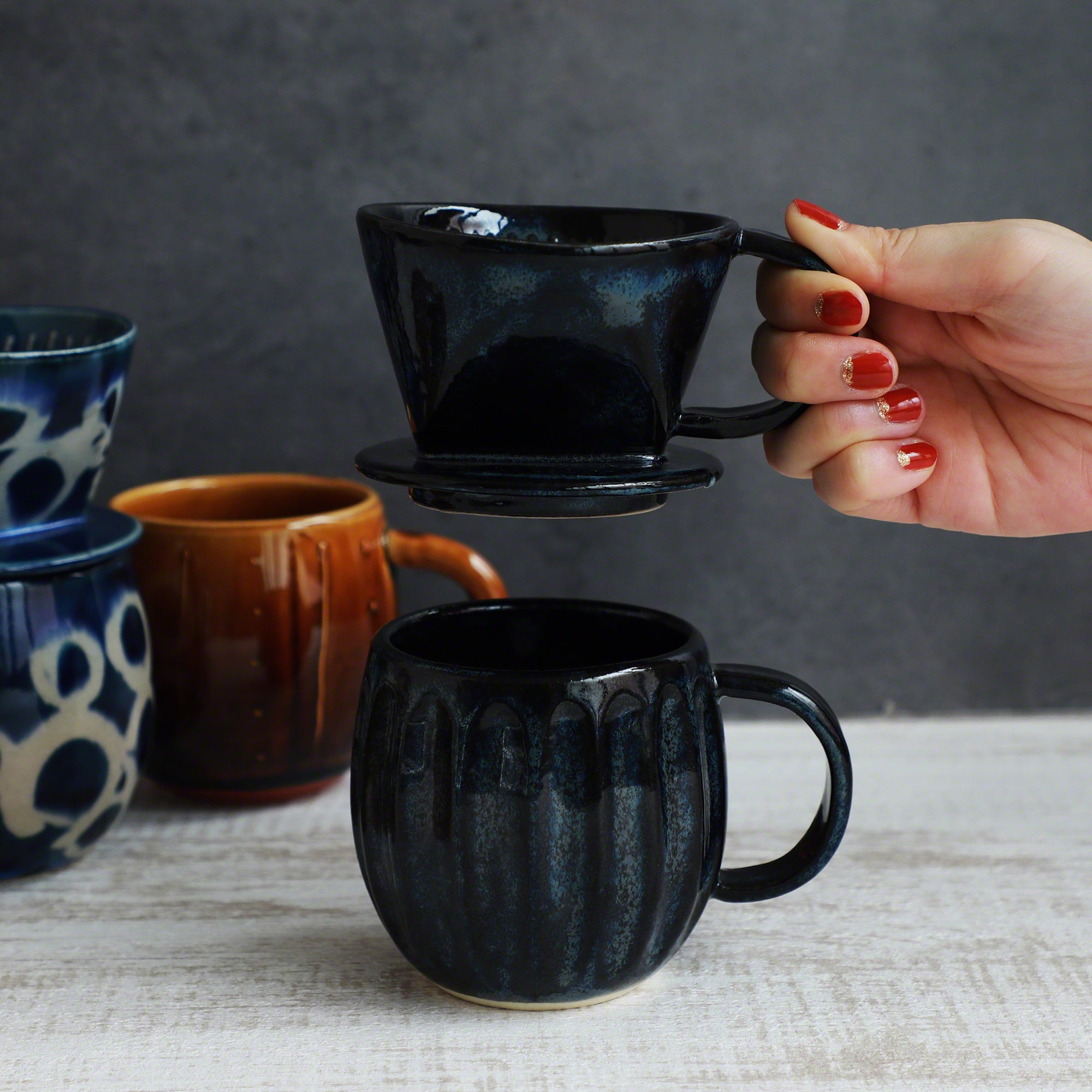
Set pour over per caffè in ceramica blu navy scuro In offertaSet pour over per caffè in ceramica blu navy scuro
Set pour over per caffè in ceramica blu navy scuro
Prezzo promozionale $50.99 USD Prezzo di listino $58.99 USD -
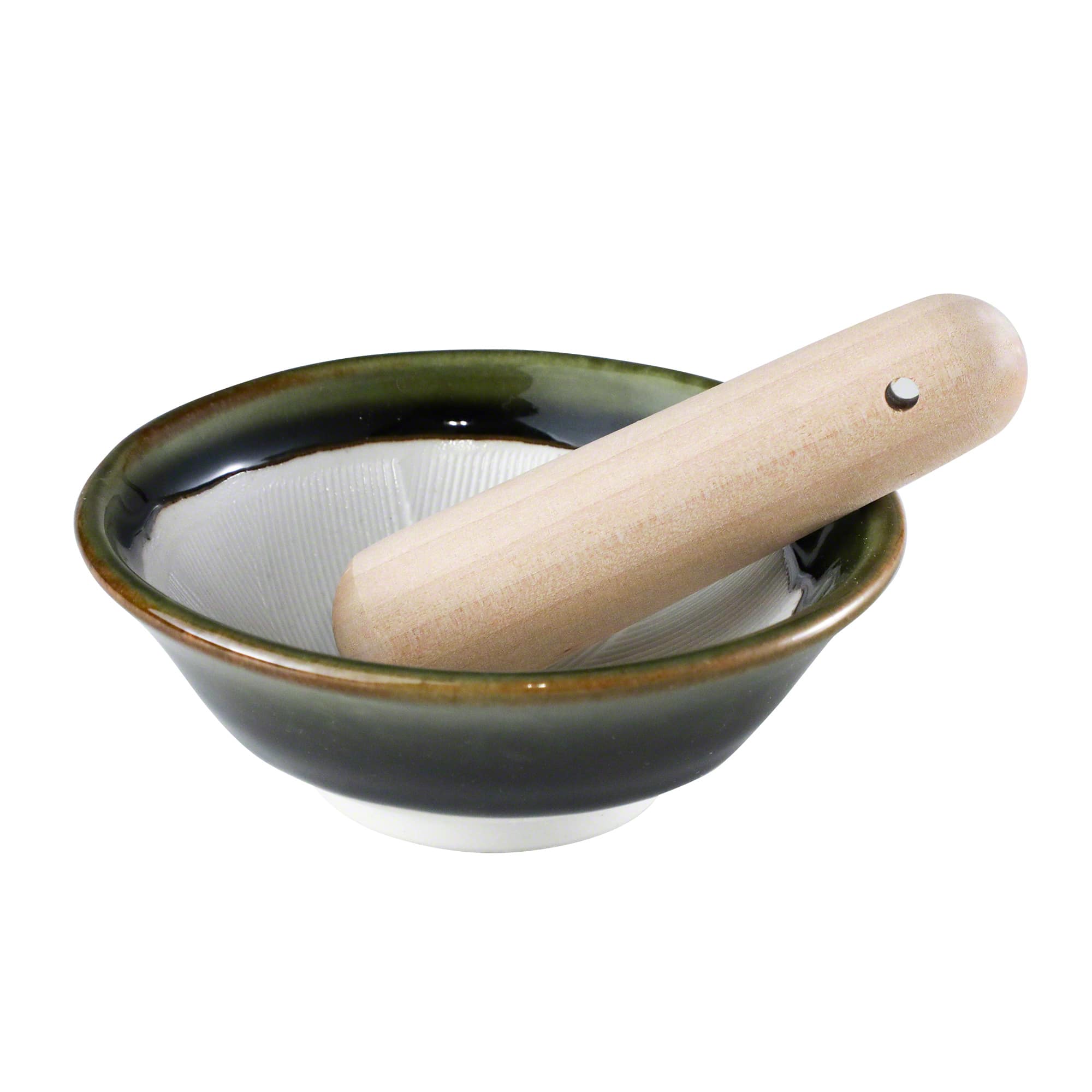
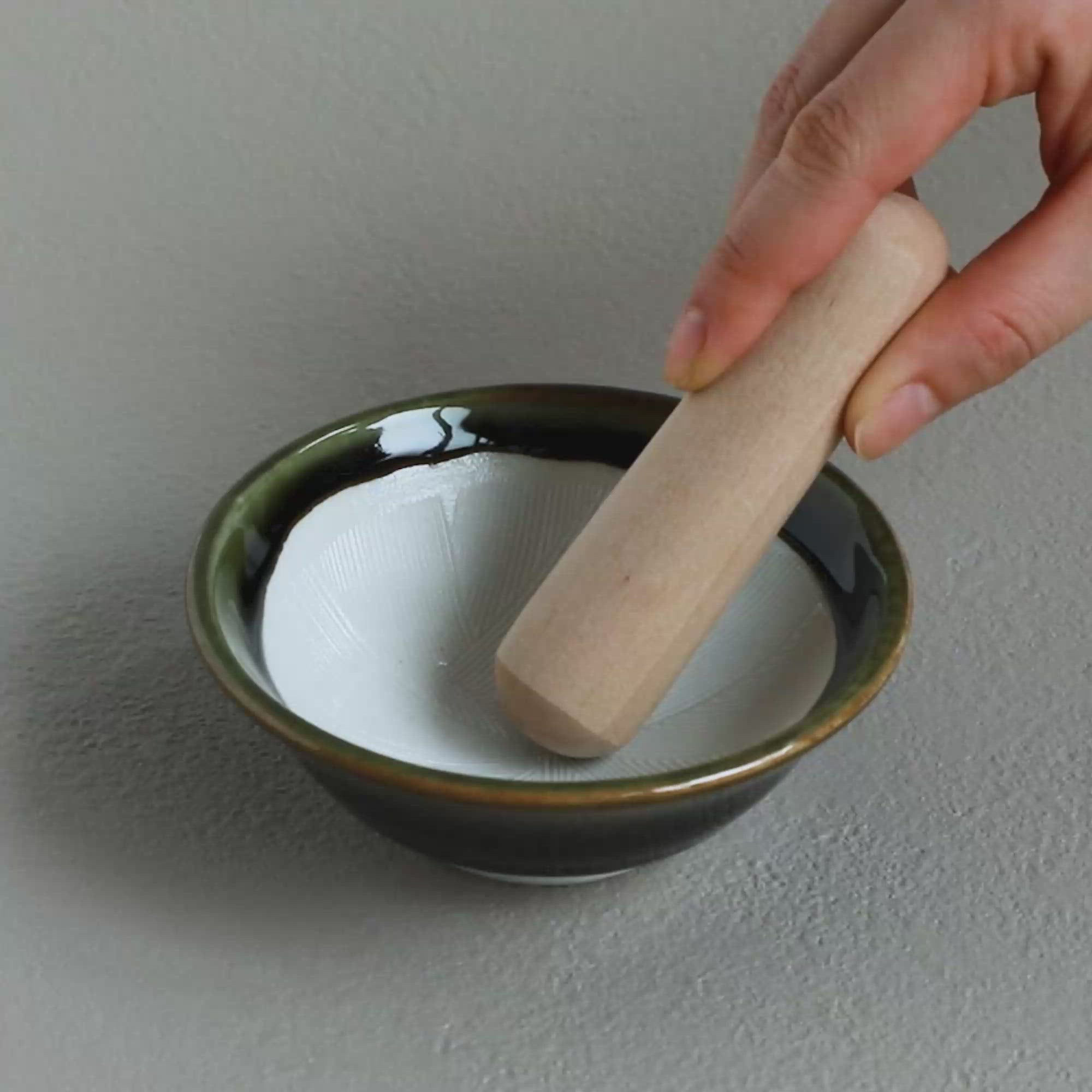
Mortaio verde oliva in ceramica con pestello in legno Mortaio verde oliva in ceramica con pestello in legno
-
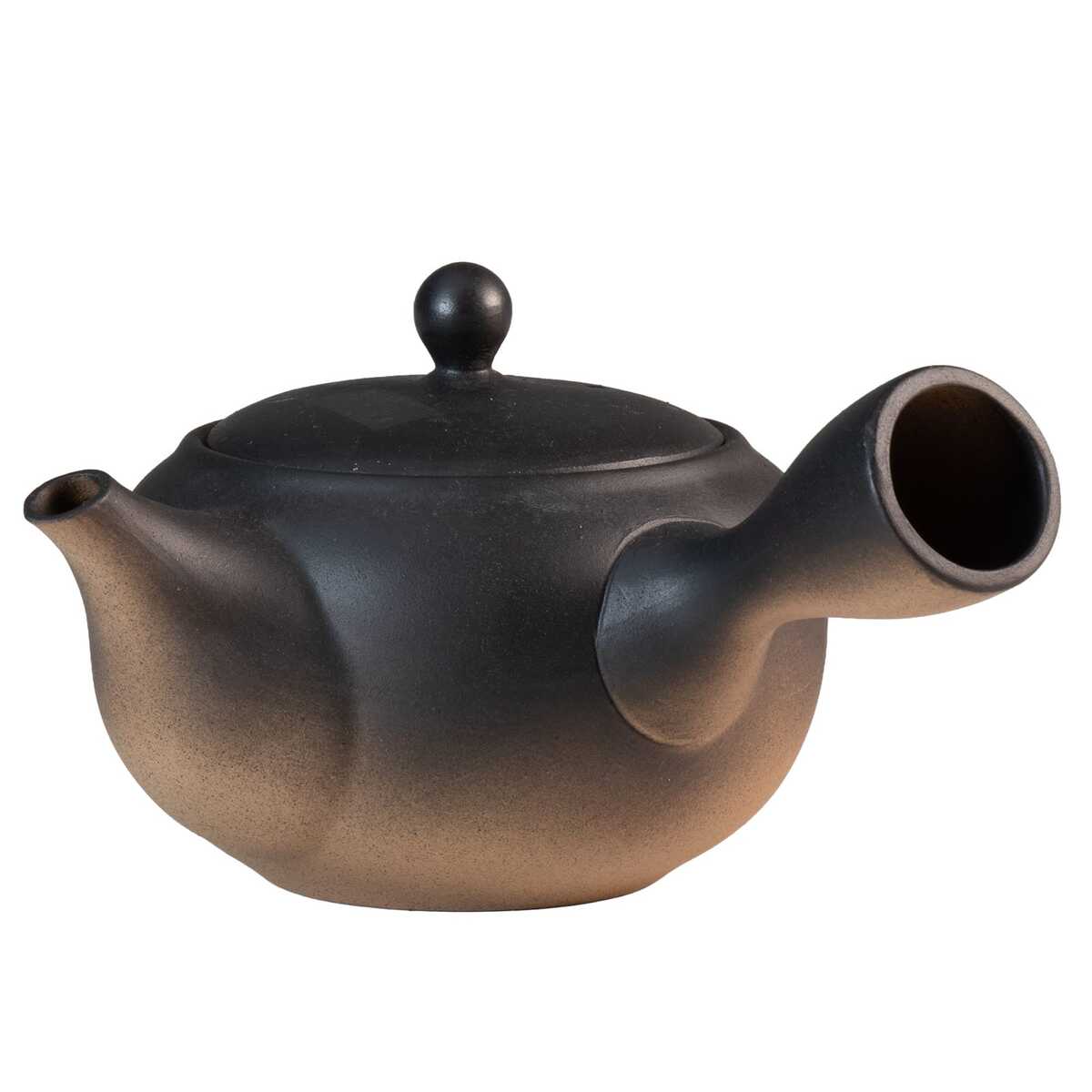
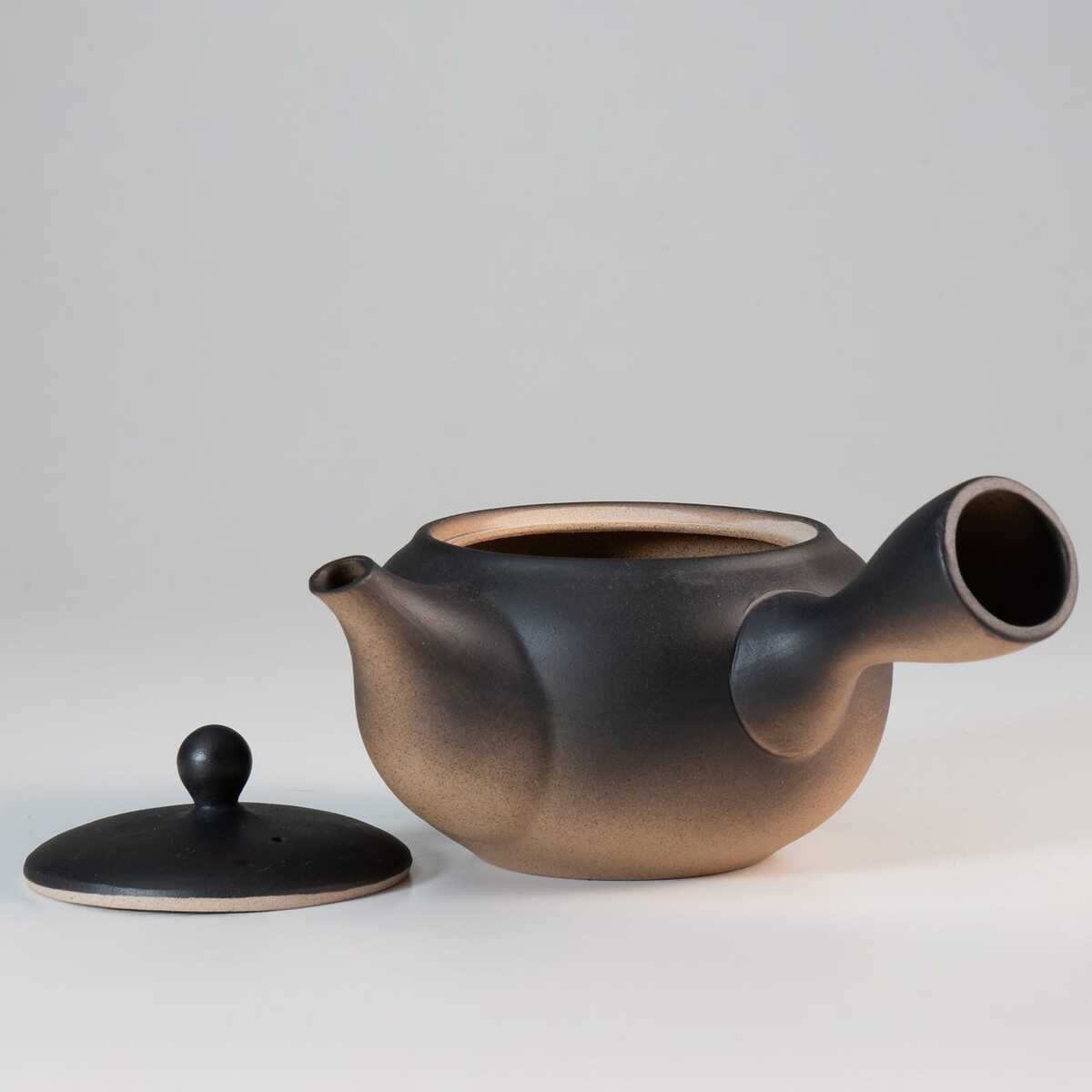
Teiera kyusu giapponese tradizionale Asayu 430 ml - finitura nera Teiera kyusu giapponese tradizionale Asayu 430 ml - finitura nera
-
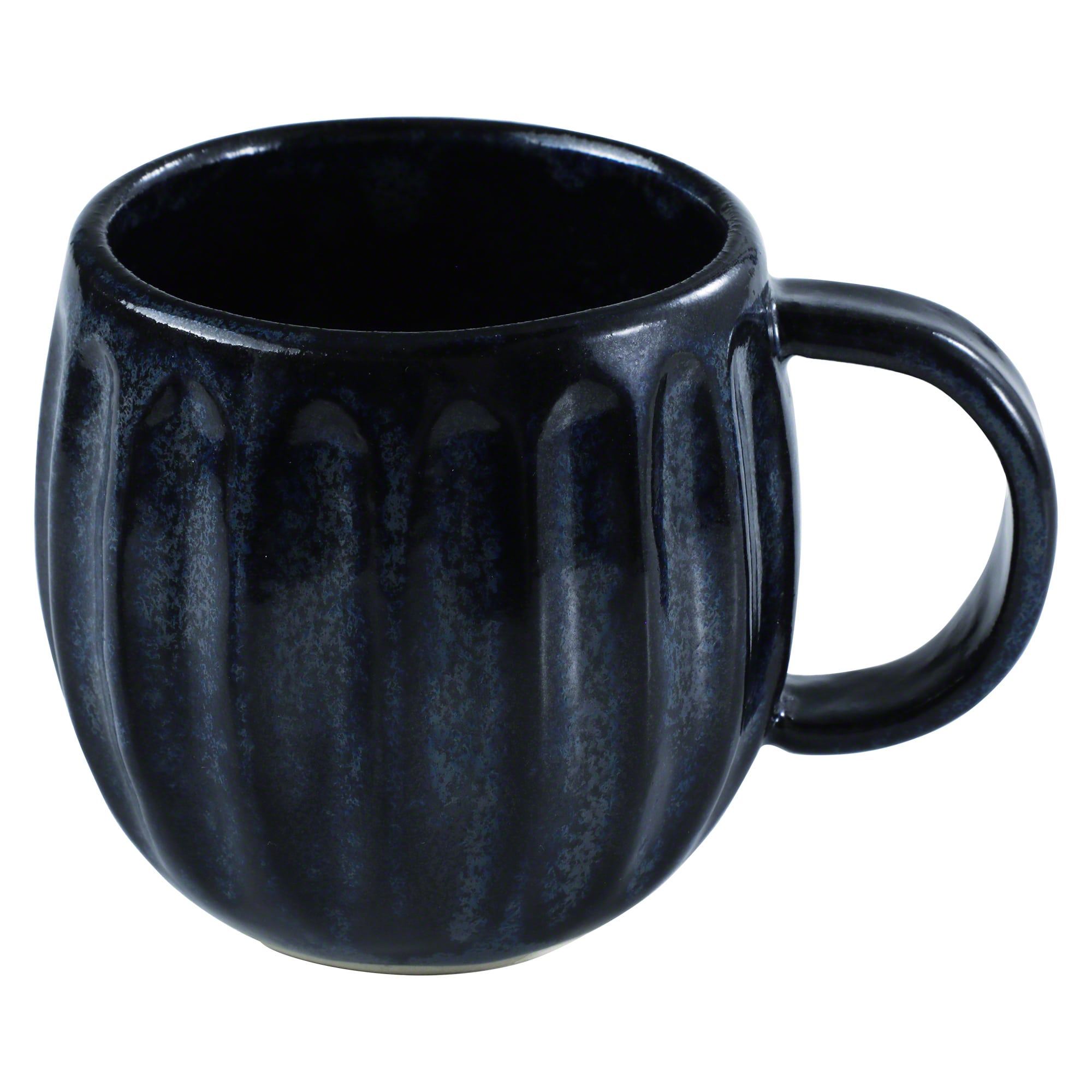
Mug da caffè in ceramica blu navy scuro In offertaMug da caffè in ceramica blu navy scuro
Mug da caffè in ceramica blu navy scuro
Prezzo promozionale $31.99 USD Prezzo di listino $39.99 USD -
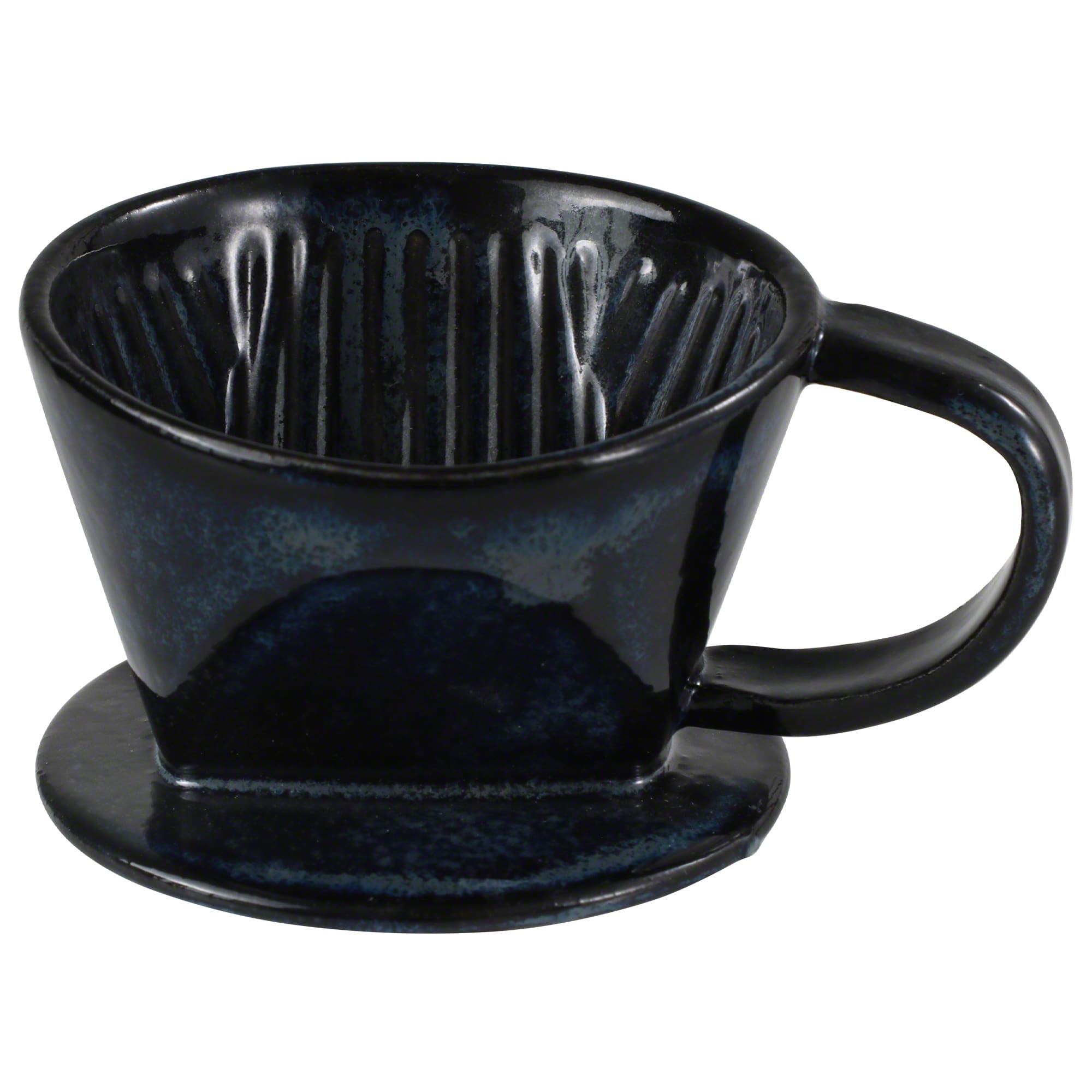
Dripper per caffè in ceramica blu navy scuro In offertaDripper per caffè in ceramica blu navy scuro
Dripper per caffè in ceramica blu navy scuro
Prezzo promozionale $29.99 USD Prezzo di listino $37.99 USD -
Ciotola da matcha Kogane con glassa dorata -
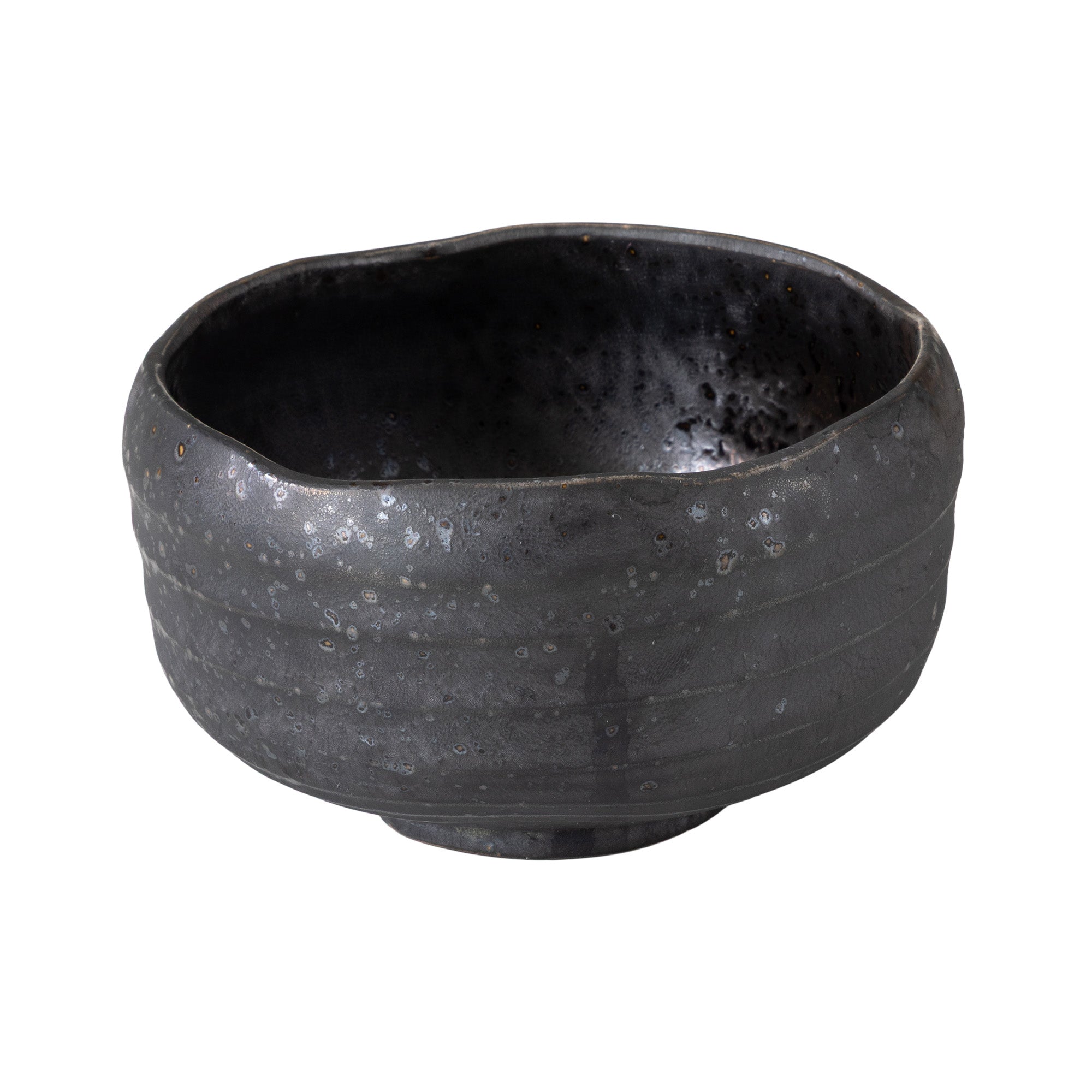
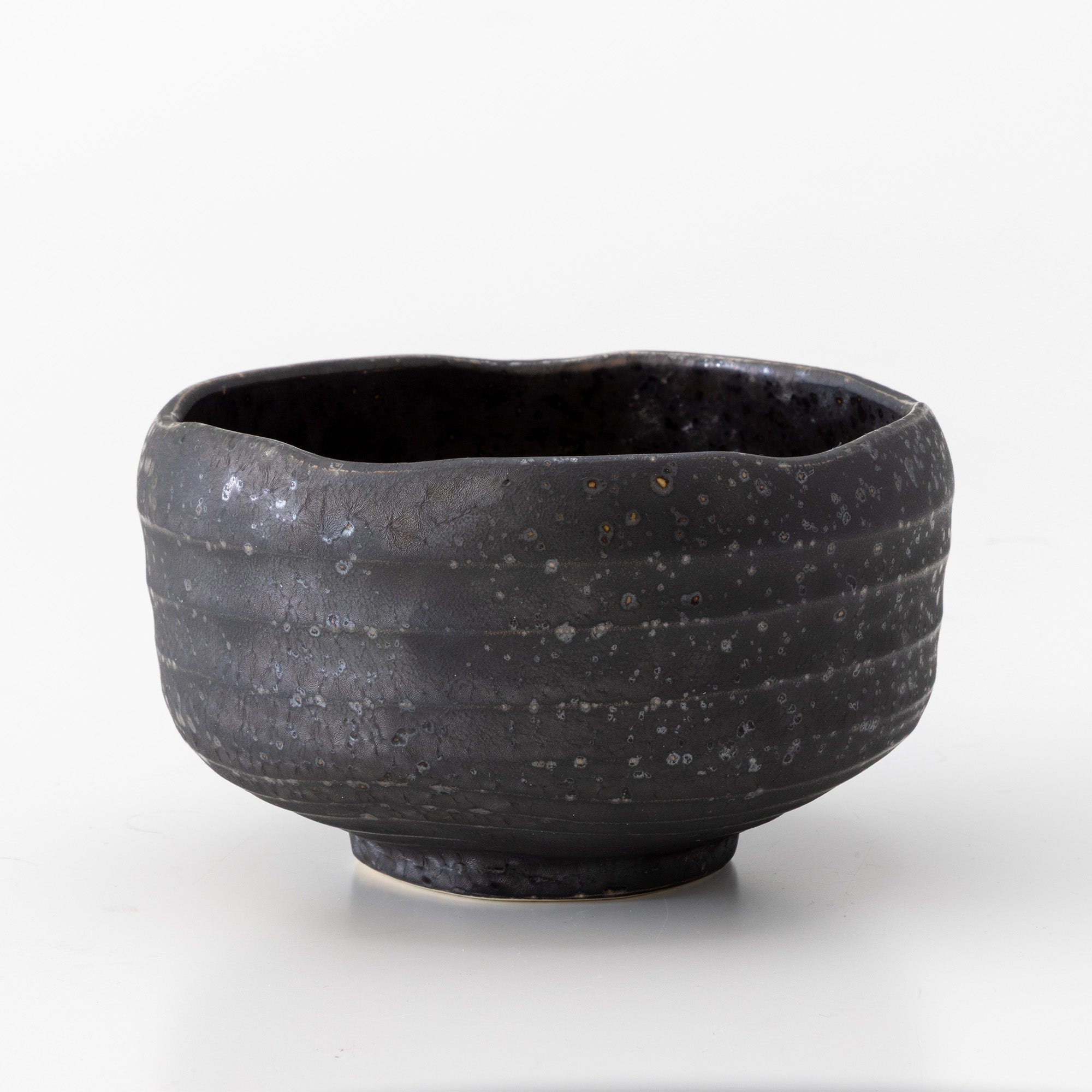
Ciotola da matcha Kurogane nera con screziature argentate Ciotola da matcha Kurogane nera con screziature argentate
-
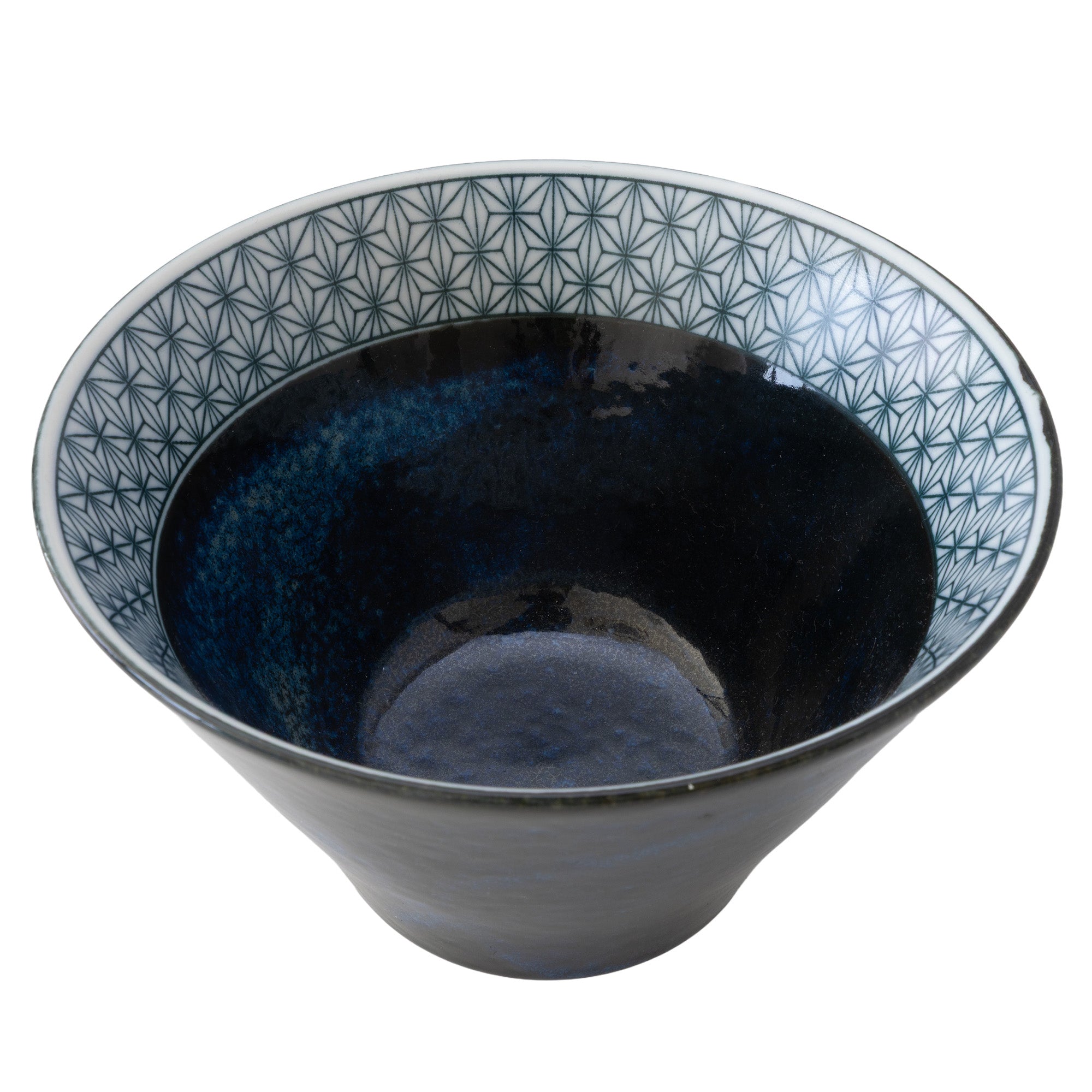
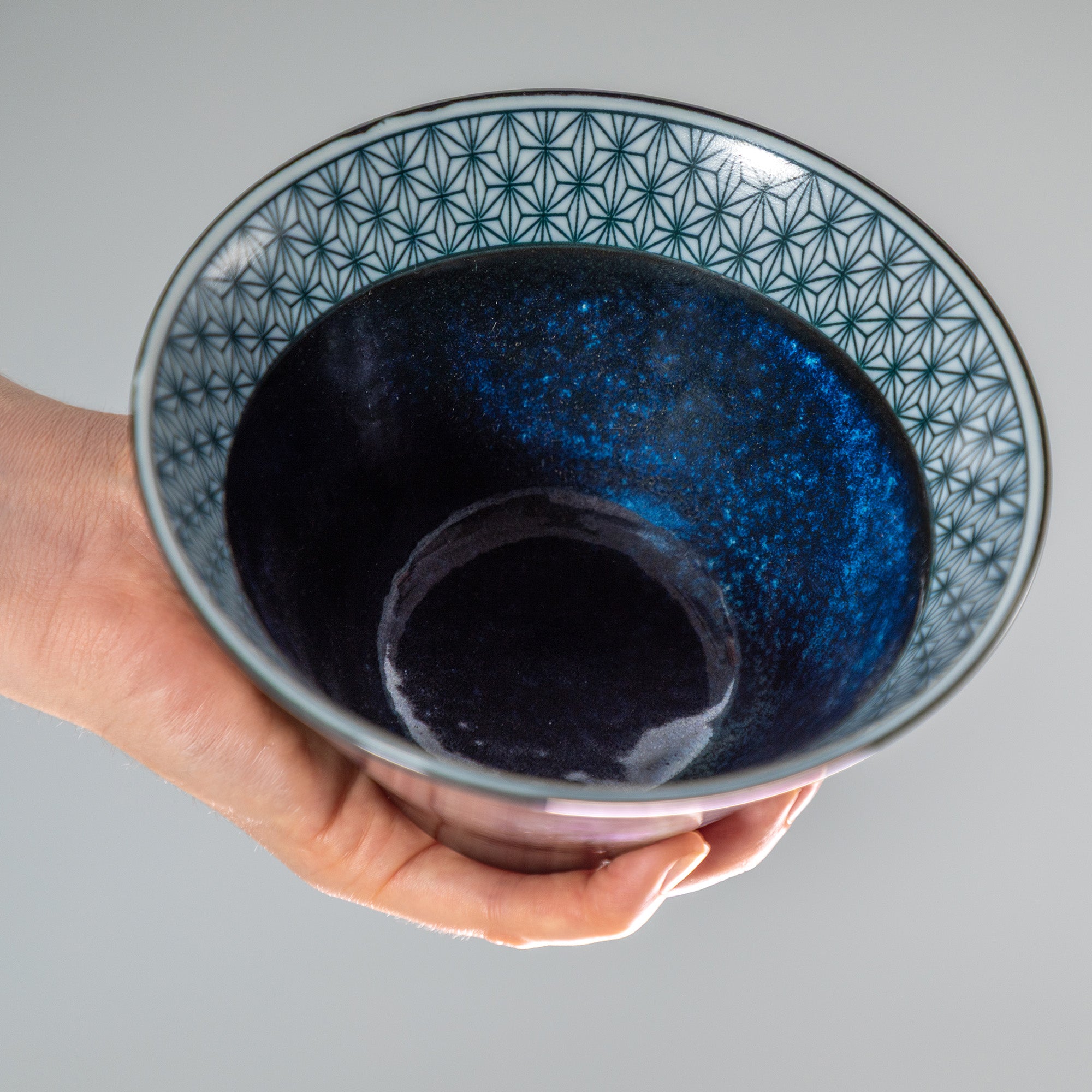
Ciotola da ramen Asanoha indaco, ciotola media in ceramica con motivo tradizionale a foglia di canapa Ciotola da ramen Asanoha indaco, ciotola media in ceramica con motivo tradizionale a foglia di canapa
-
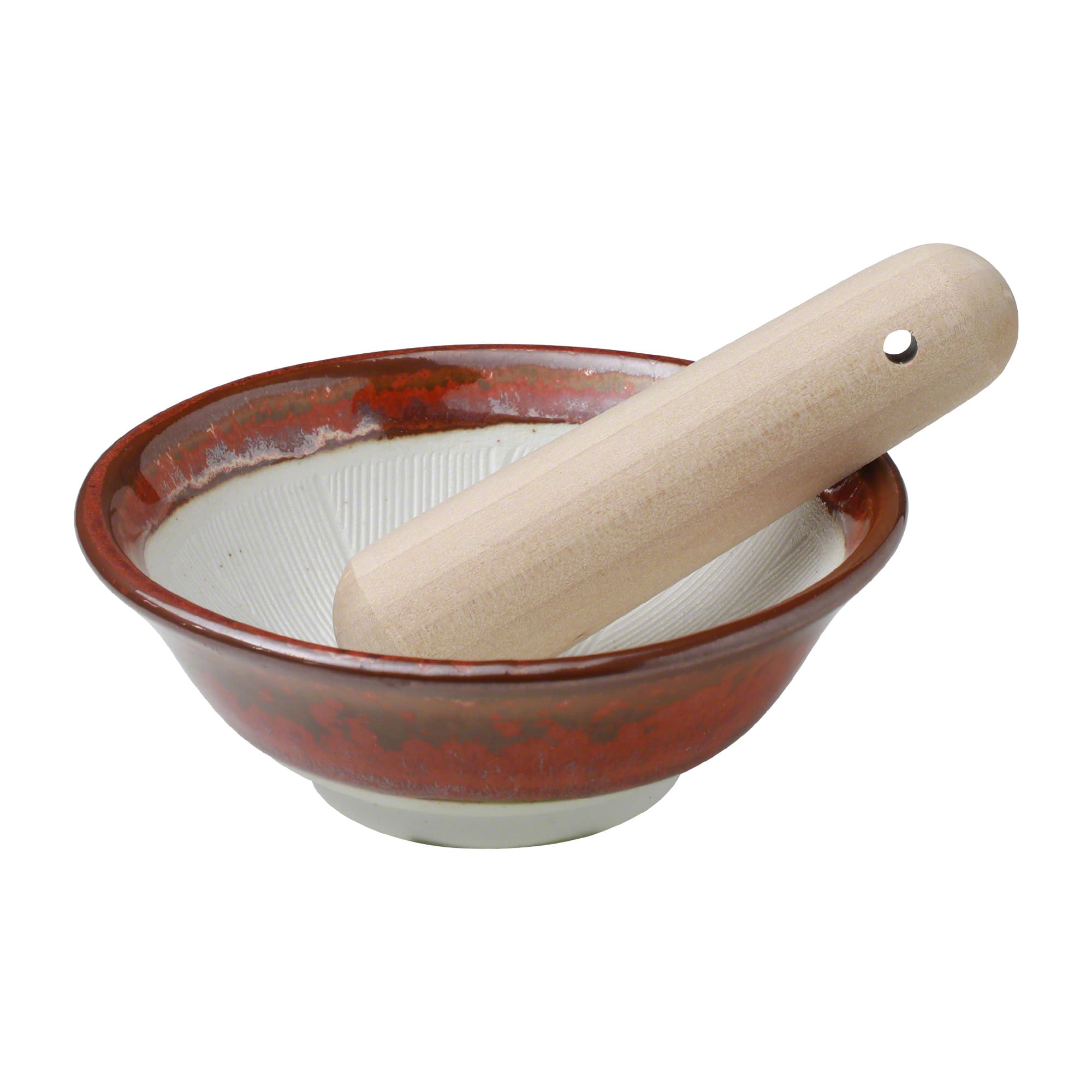
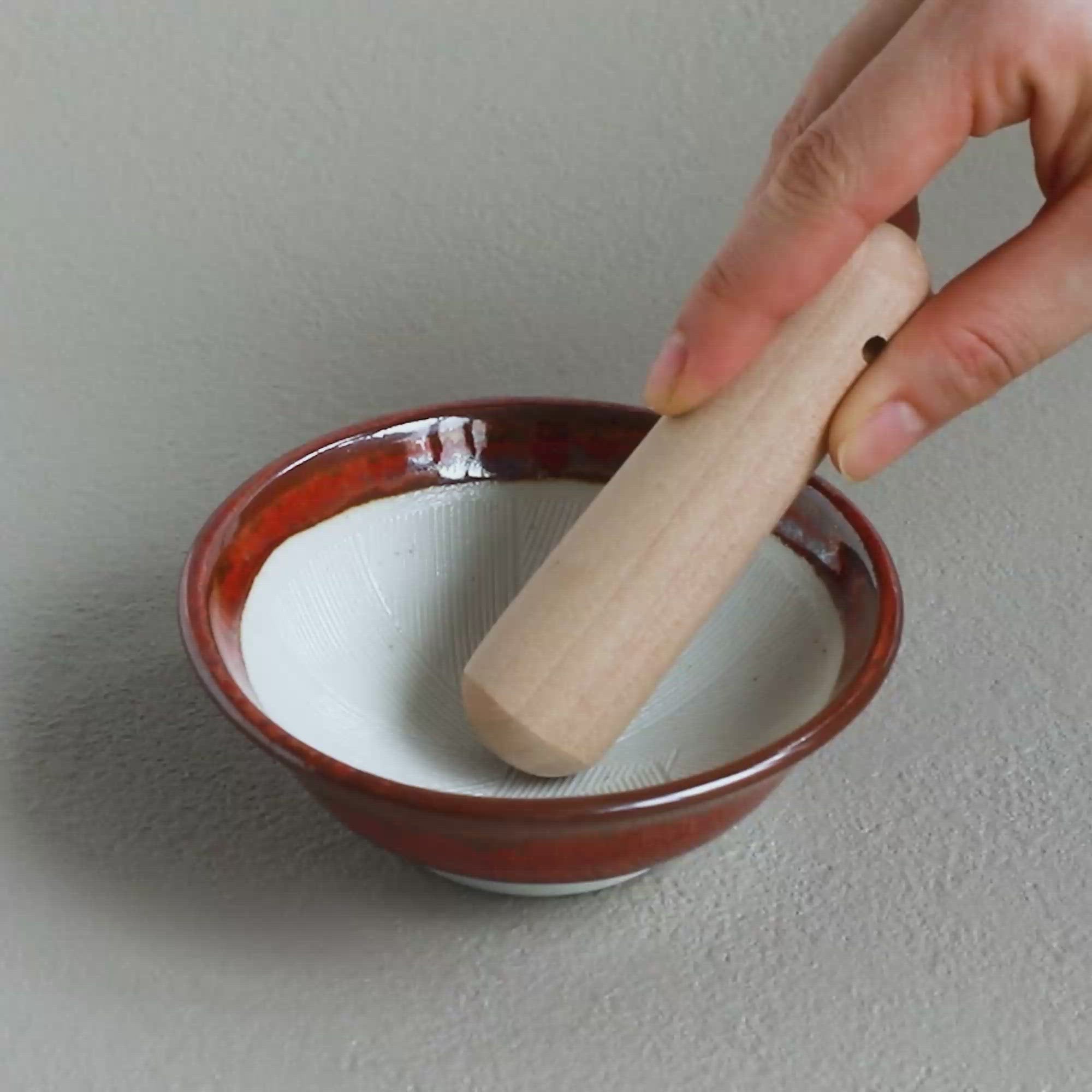
Mortaio rosso in ceramica con pestello in legno Mortaio rosso in ceramica con pestello in legno
-
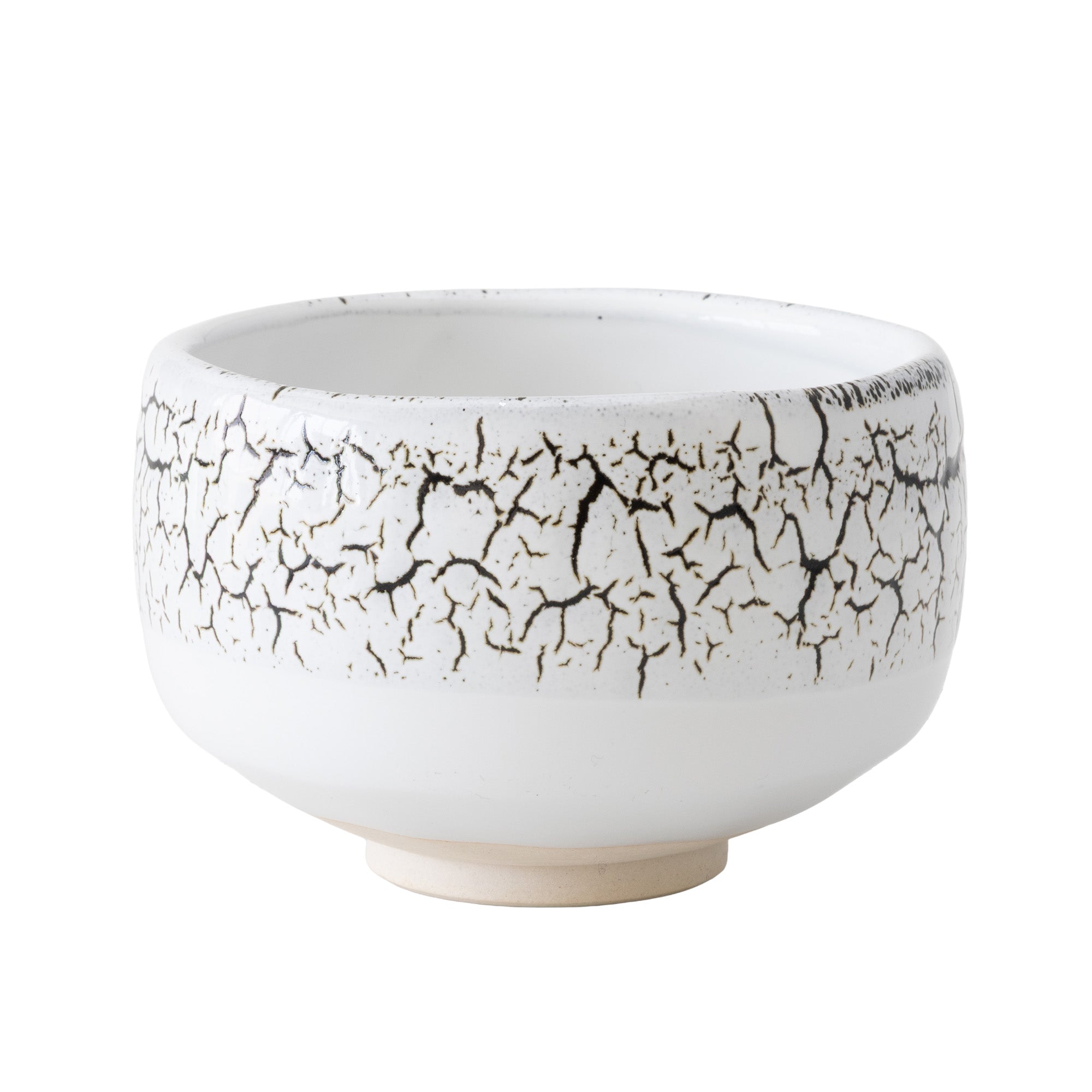
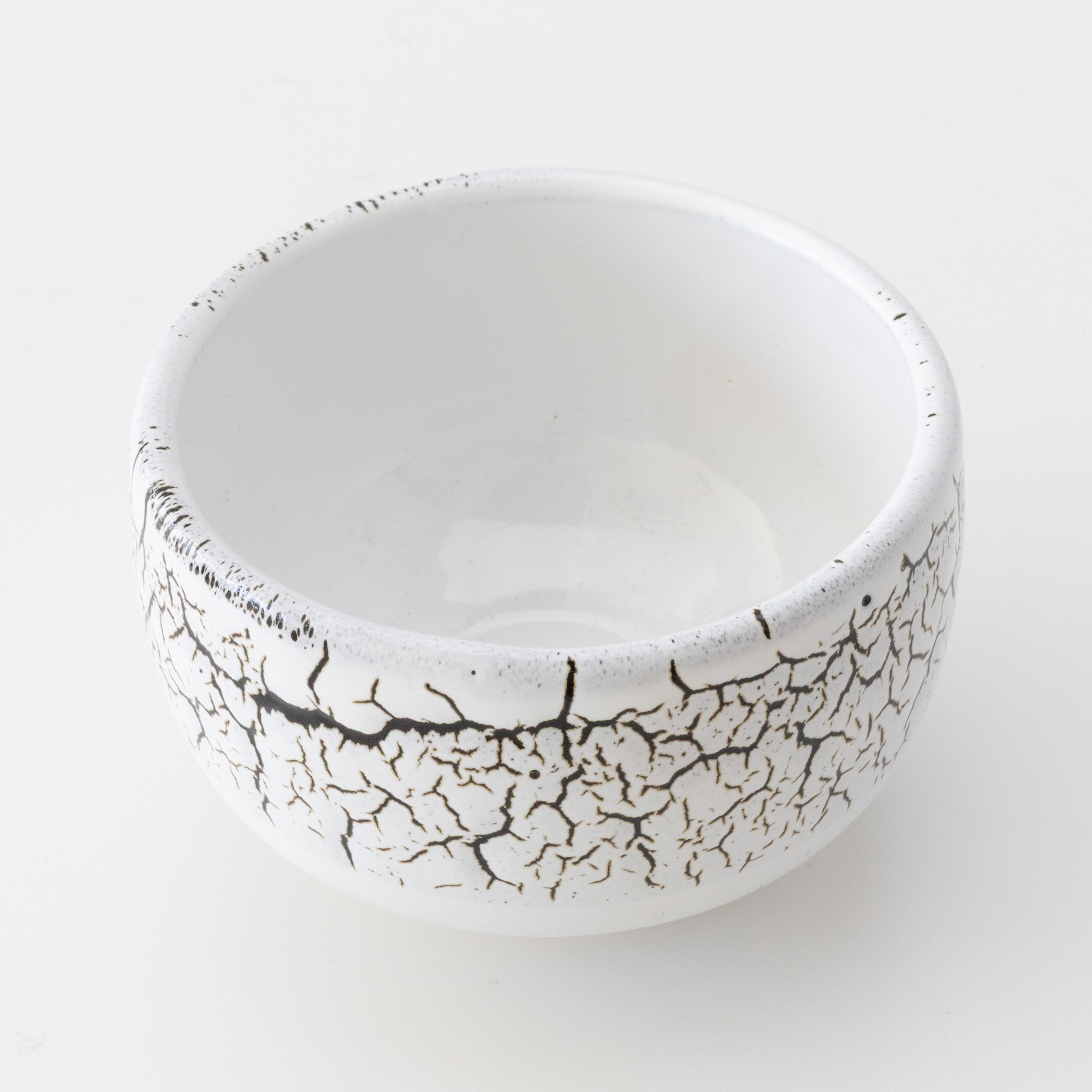
Ciotola da matcha Midorizumi bianca con motivo a cavillature verde scuro Ciotola da matcha Midorizumi bianca con motivo a cavillature verde scuro
-
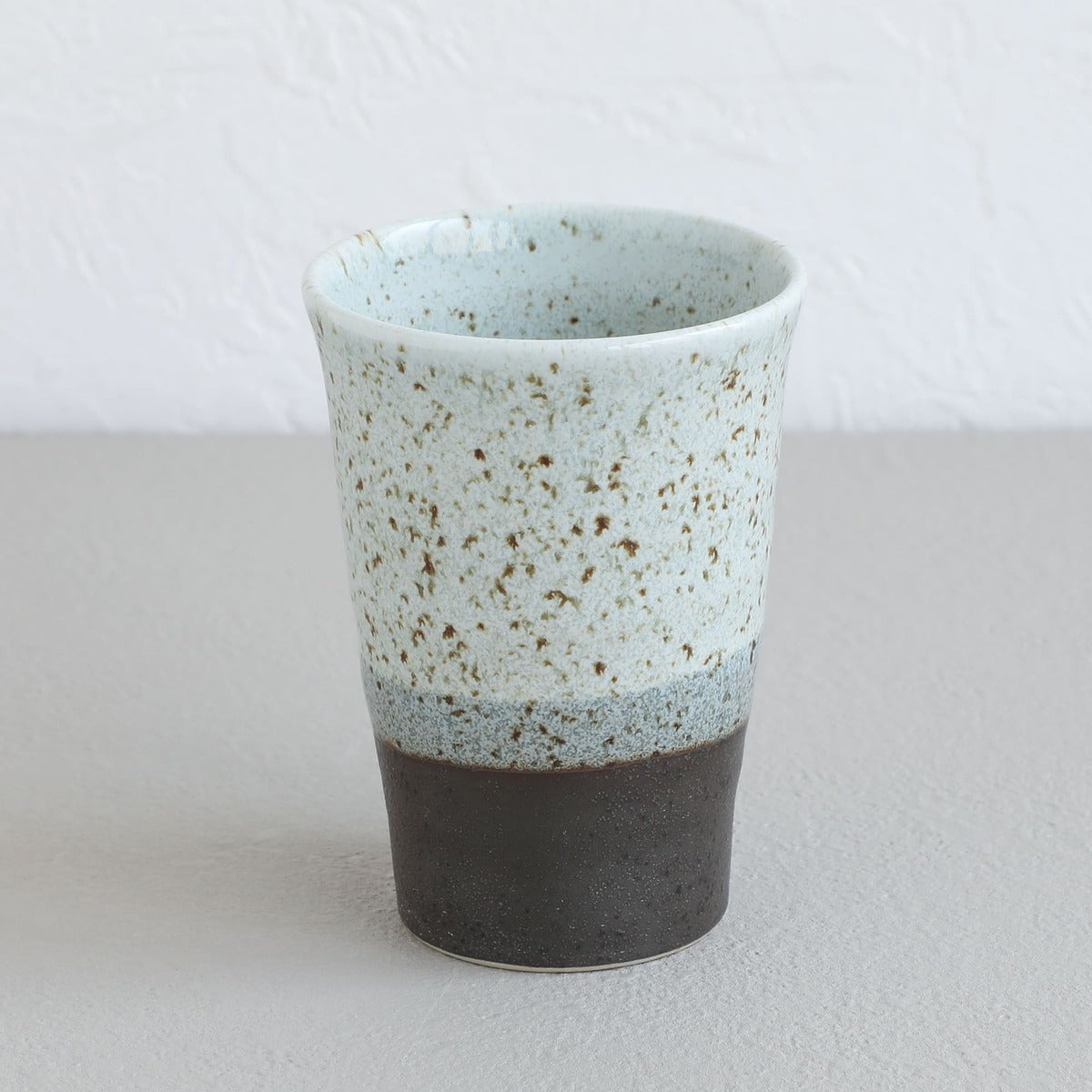
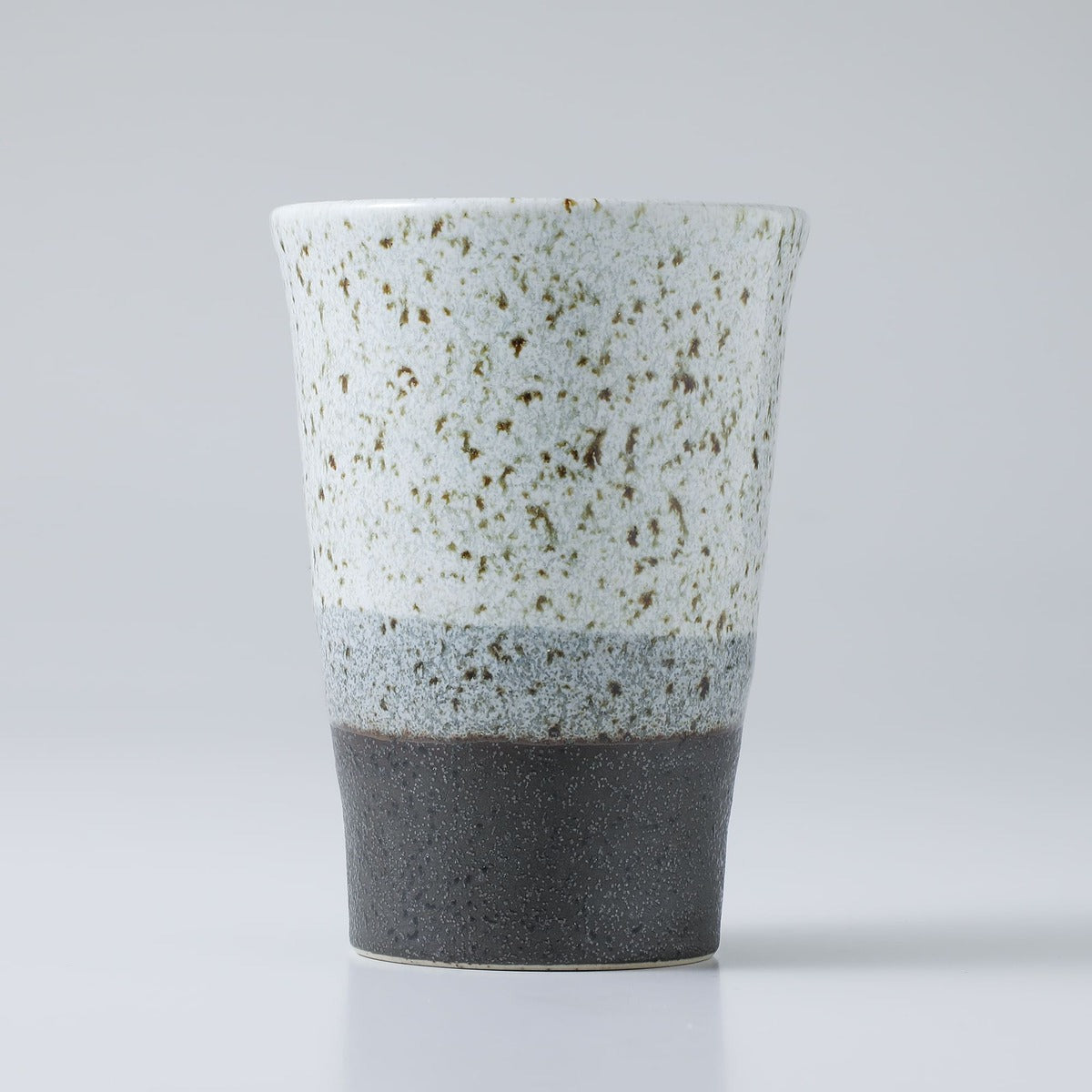
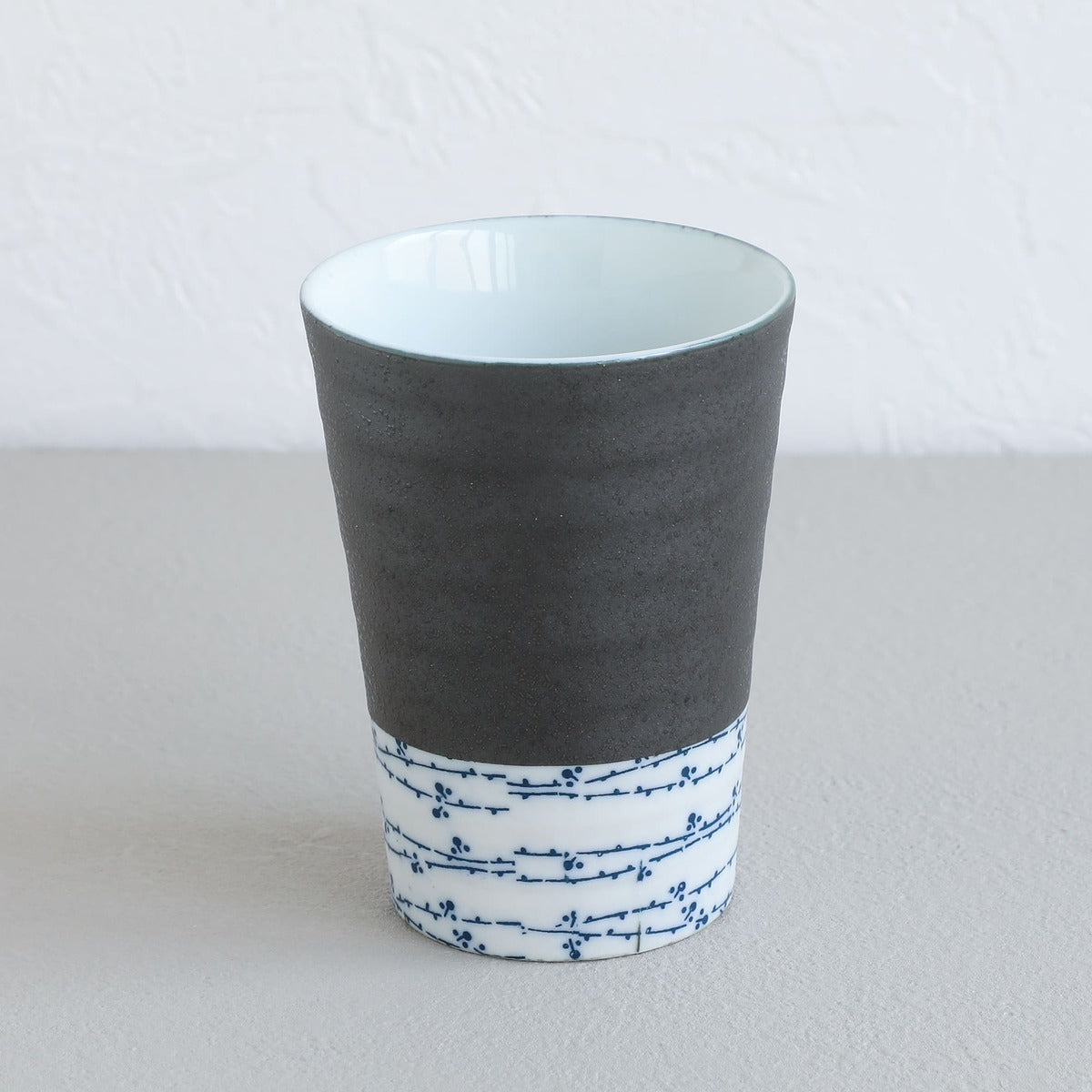
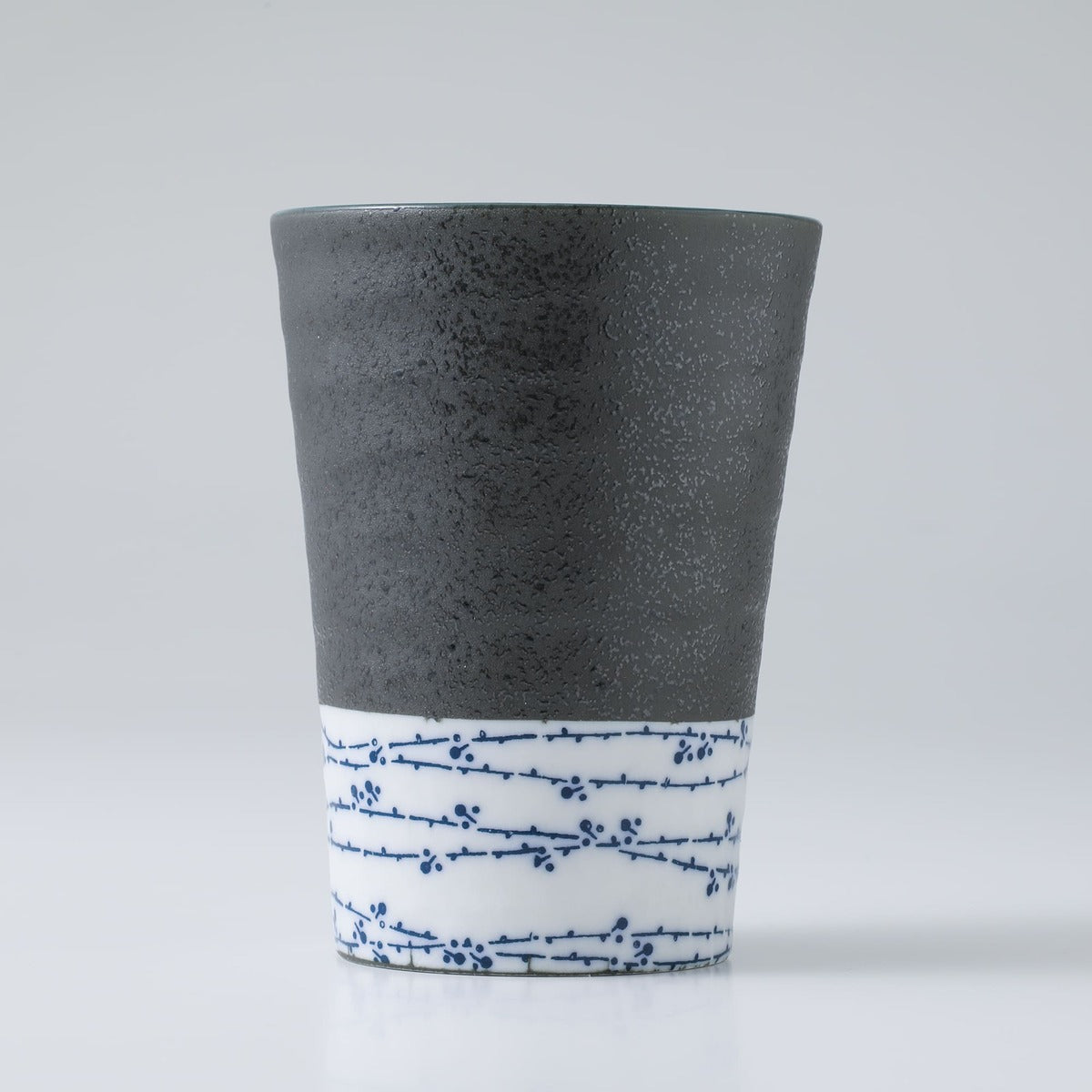
Tazza da tè in ceramica 310 ml, mug giapponese yunomi - bianco x grigio Tazza da tè in ceramica 310 ml, mug giapponese yunomi - bianco x grigio
-
Tazze da tè in ceramica smaltata dipinte a mano. Set da 2 in blu e bianco Tazze da tè in ceramica smaltata dipinte a mano. Set da 2 in blu e bianco
-
Ciotola da matcha Kurogane turchese con glassa Ciotola da matcha Kurogane turchese con glassa
-
Teiera kyusu giapponese tradizionale Asayu 280 ml Kurofuki Teiera kyusu giapponese tradizionale Asayu 280 ml Kurofuki
-
Tazza da tè in ceramica 310 ml, mug giapponese yunomi - nero x bianco Tazza da tè in ceramica 310 ml, mug giapponese yunomi - nero x bianco
-
Teiera kyusu giapponese tradizionale Asayu 350 ml Namakoyu Teiera kyusu giapponese tradizionale Asayu 350 ml Namakoyu
-
Ciotola da matcha Kurogane blu con glassa -
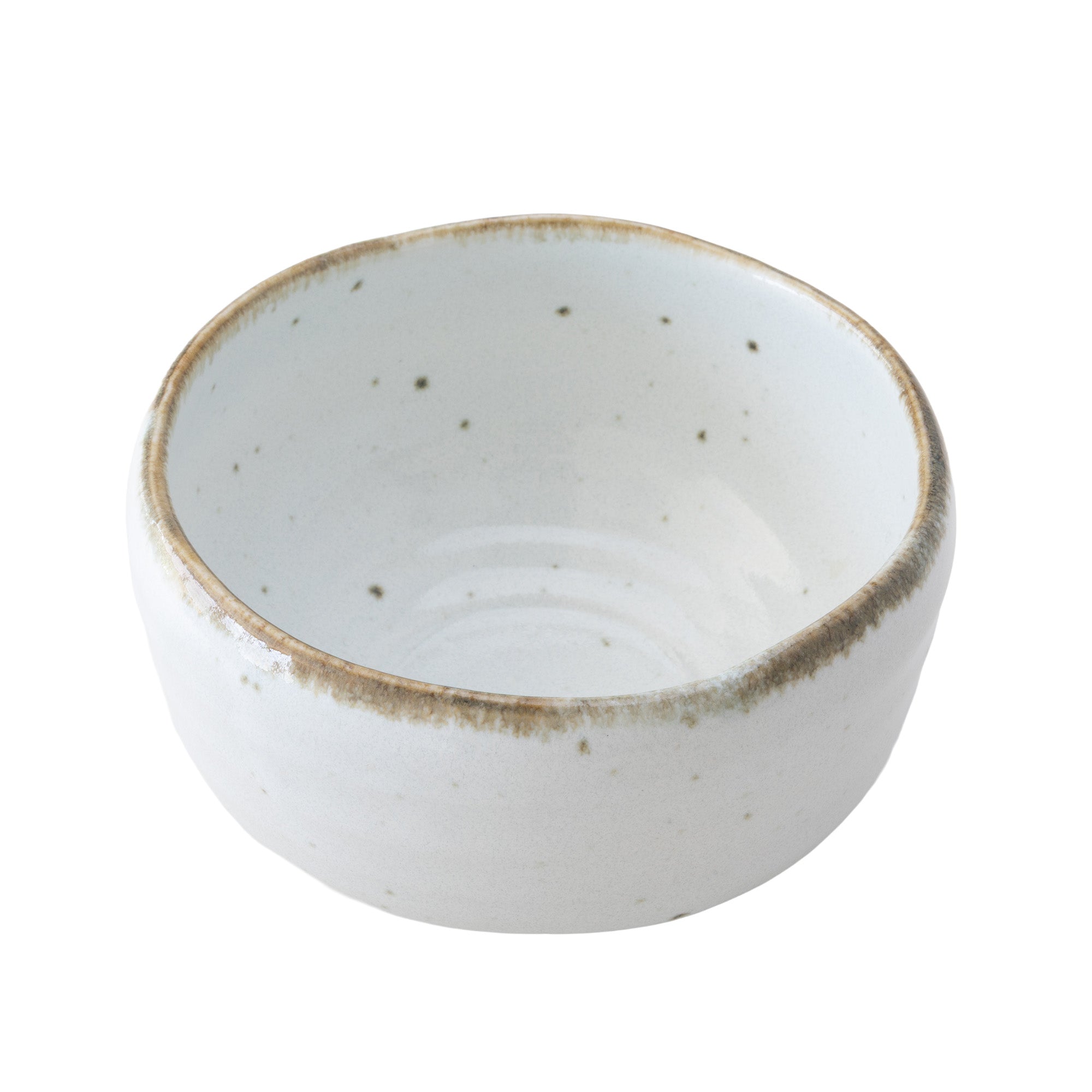
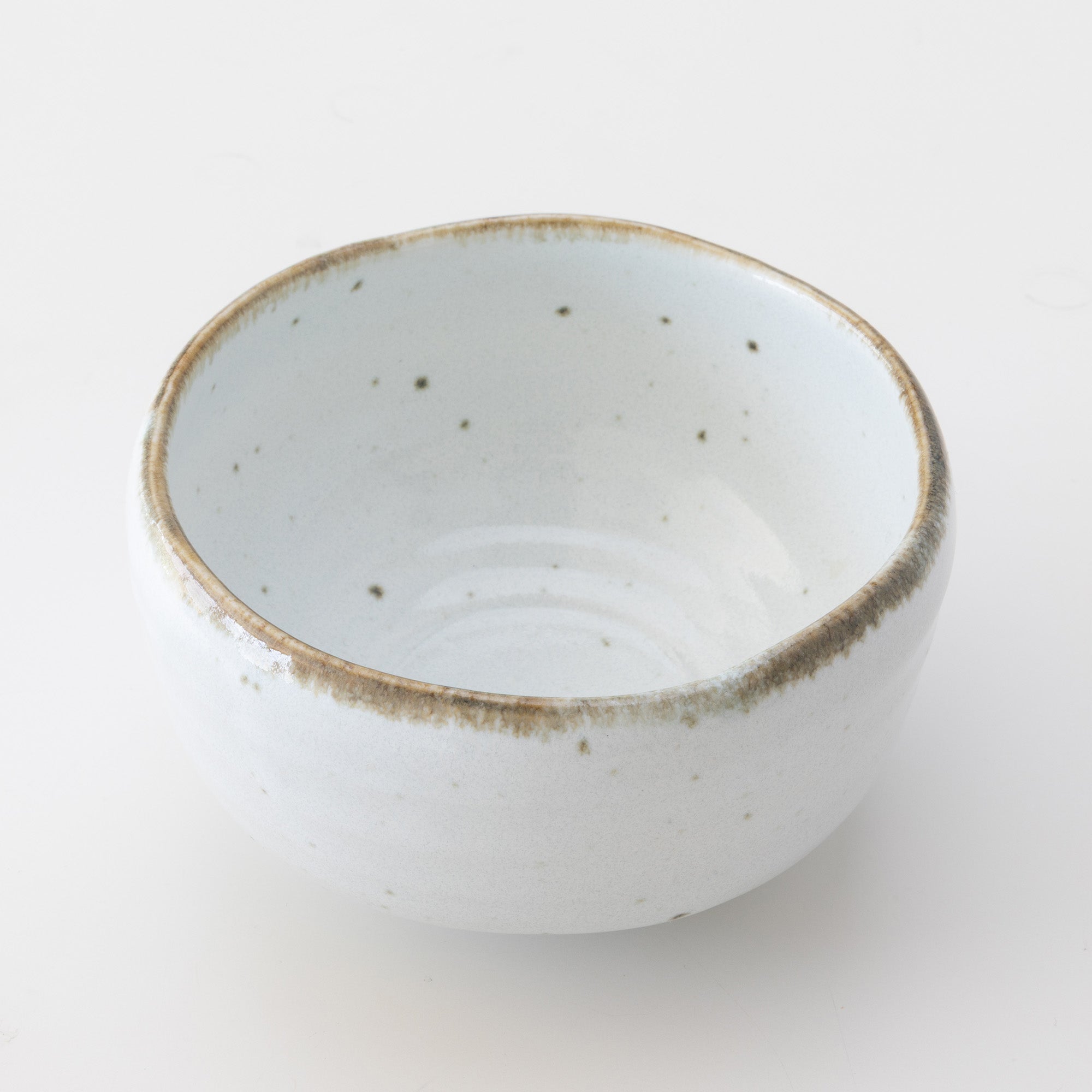
Ciotola da matcha Shirotsuchi bianca con bordo marrone & finitura screziata Ciotola da matcha Shirotsuchi bianca con bordo marrone & finitura screziata
-
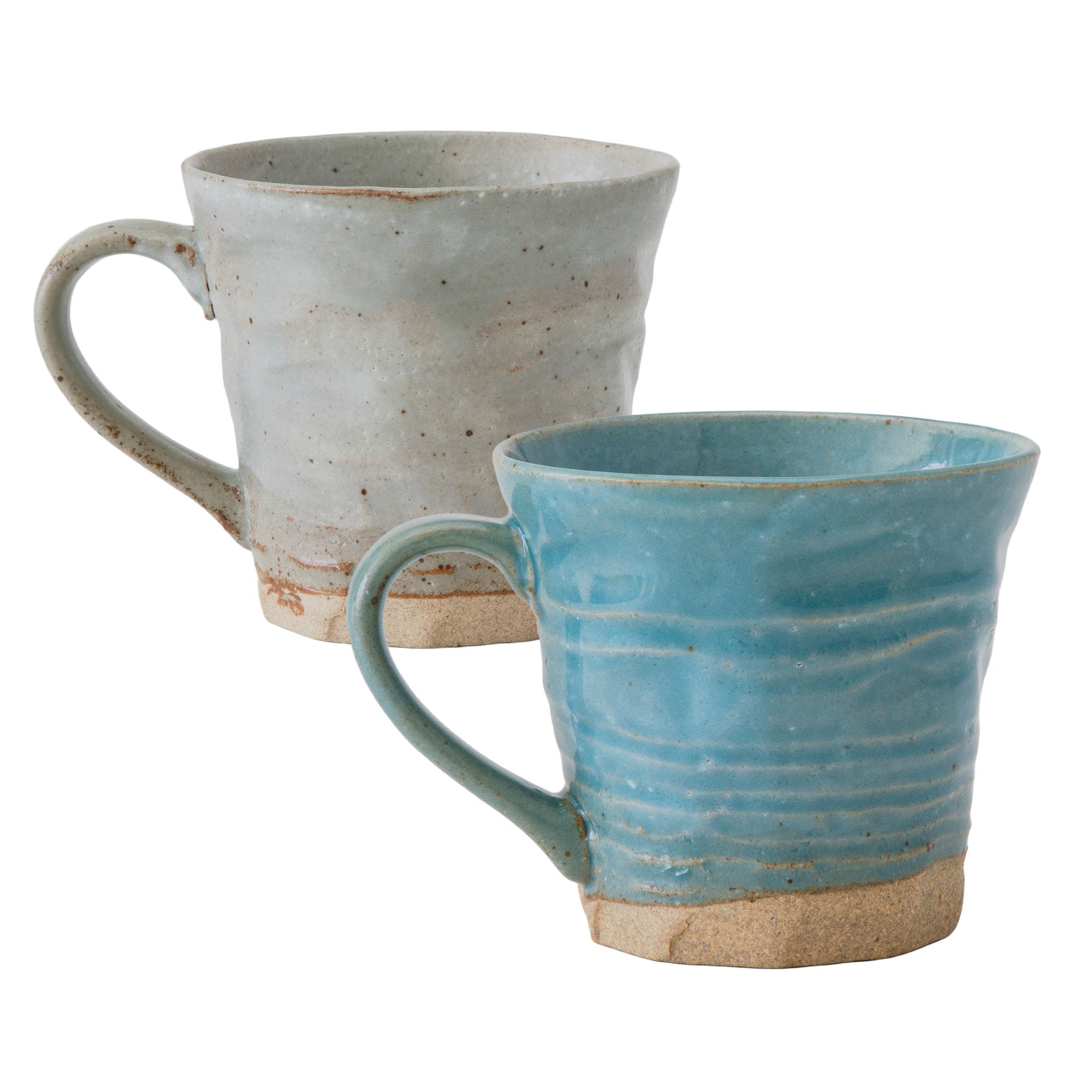
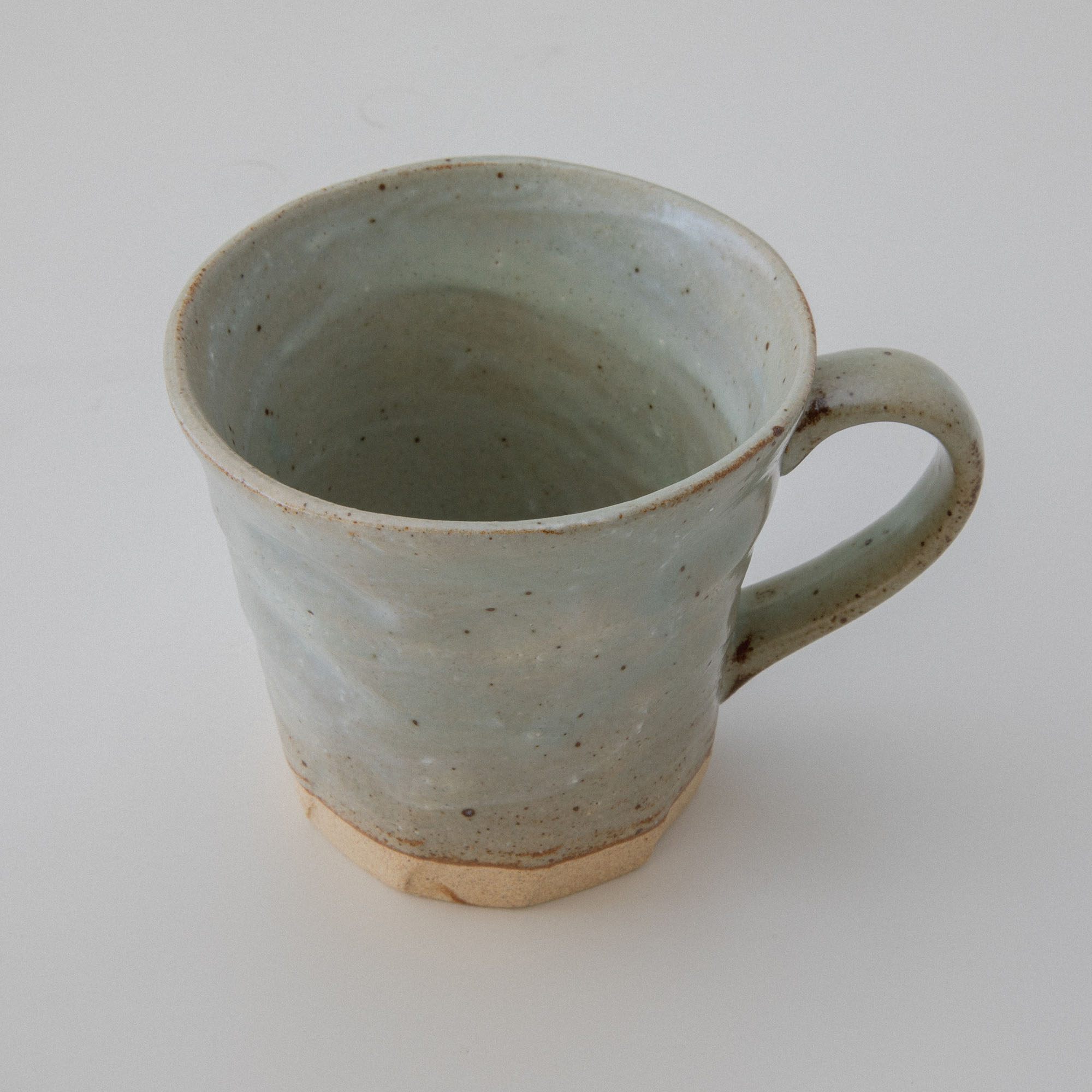
Set di tazze Tsuchimono rustico lavorate a mano blu e grigio Set di tazze Tsuchimono rustico lavorate a mano blu e grigio
-
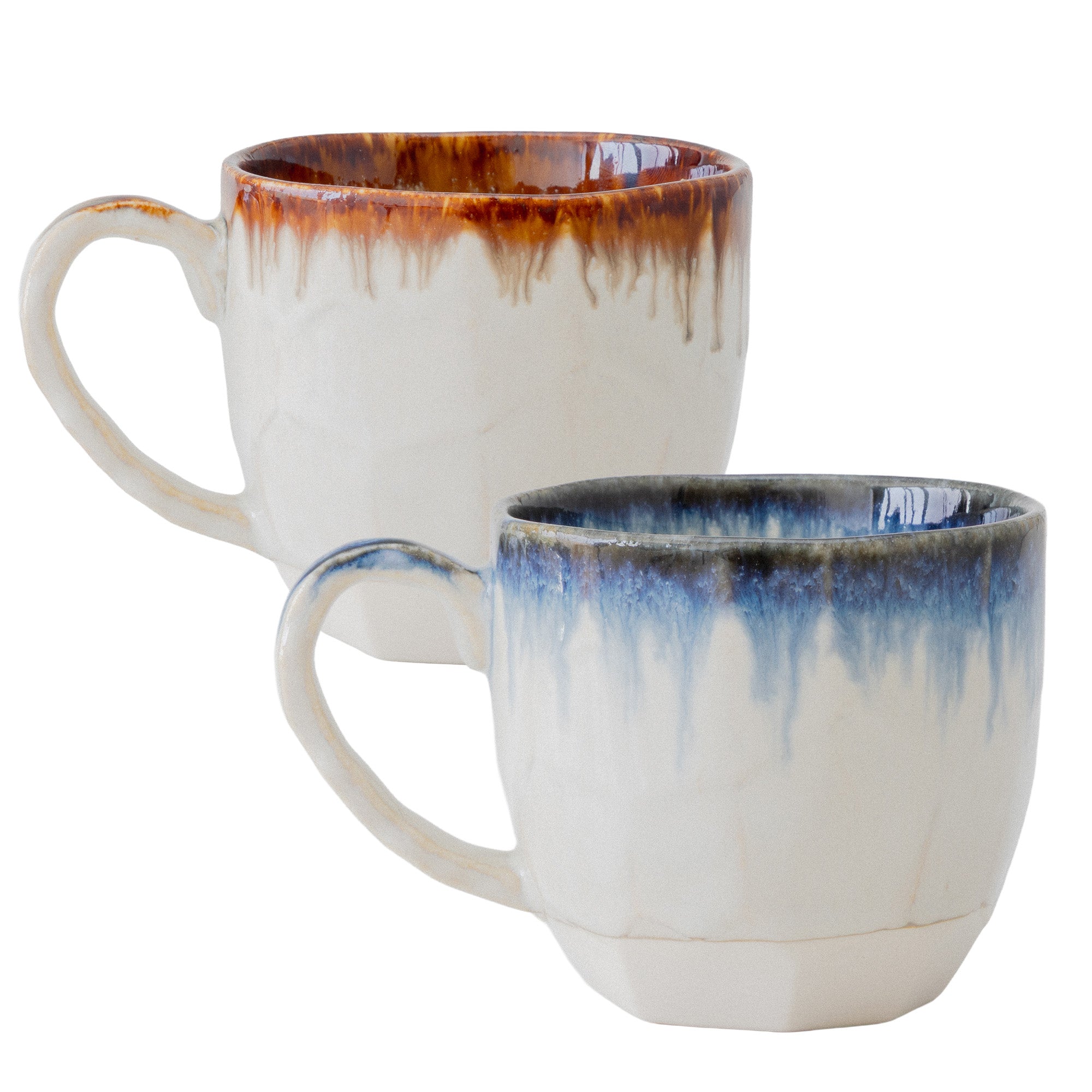
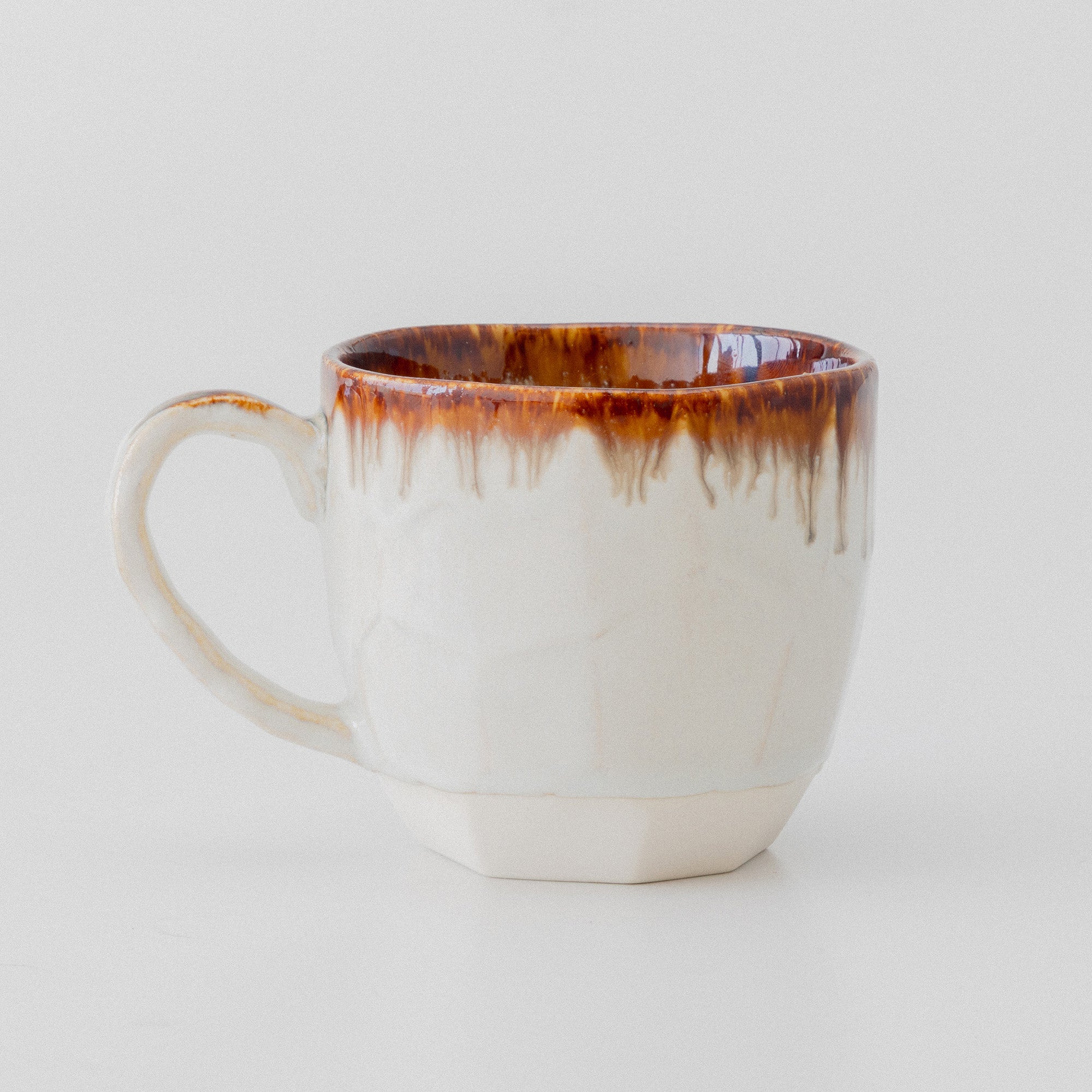
Set di tazze in ceramica Drip blu & marrone -
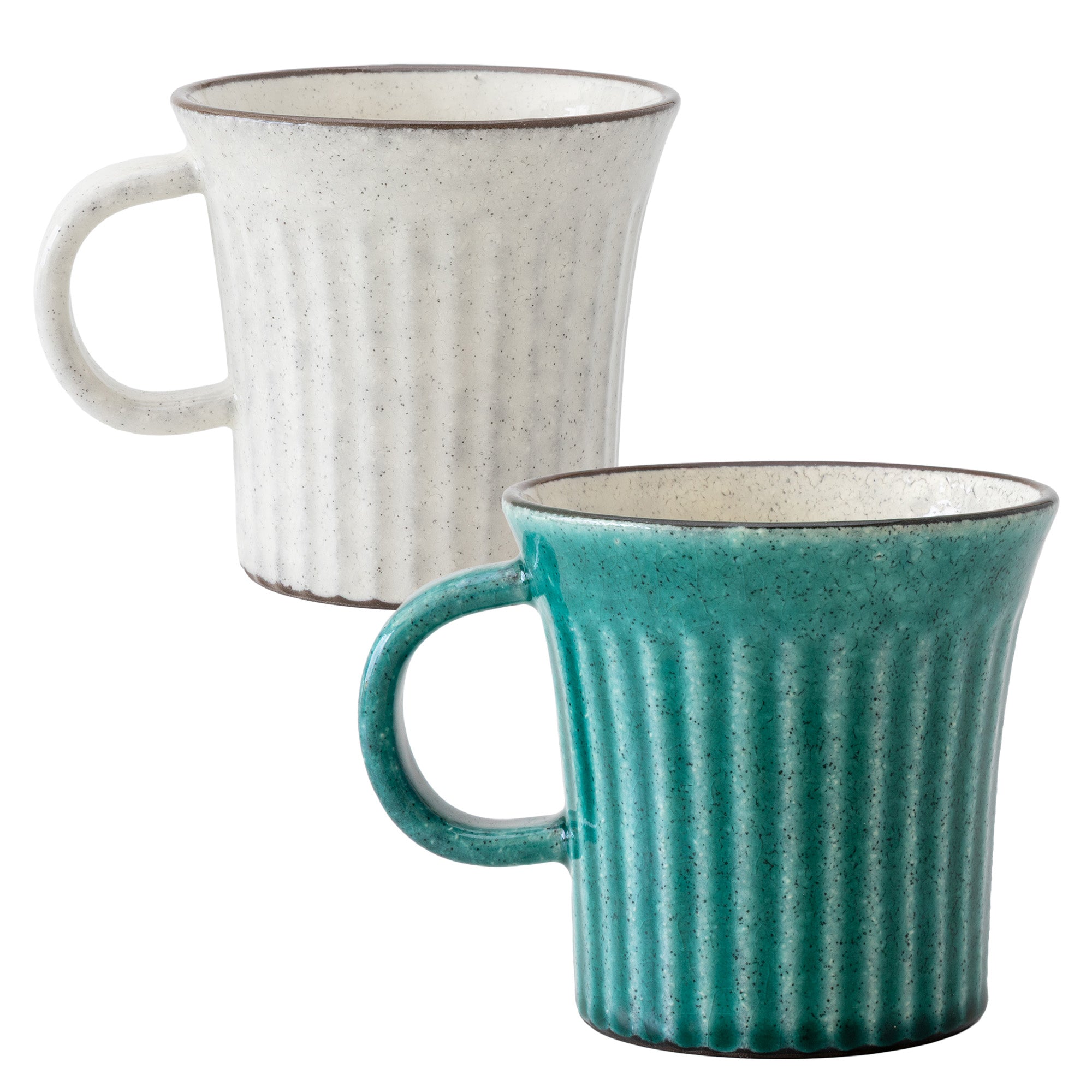
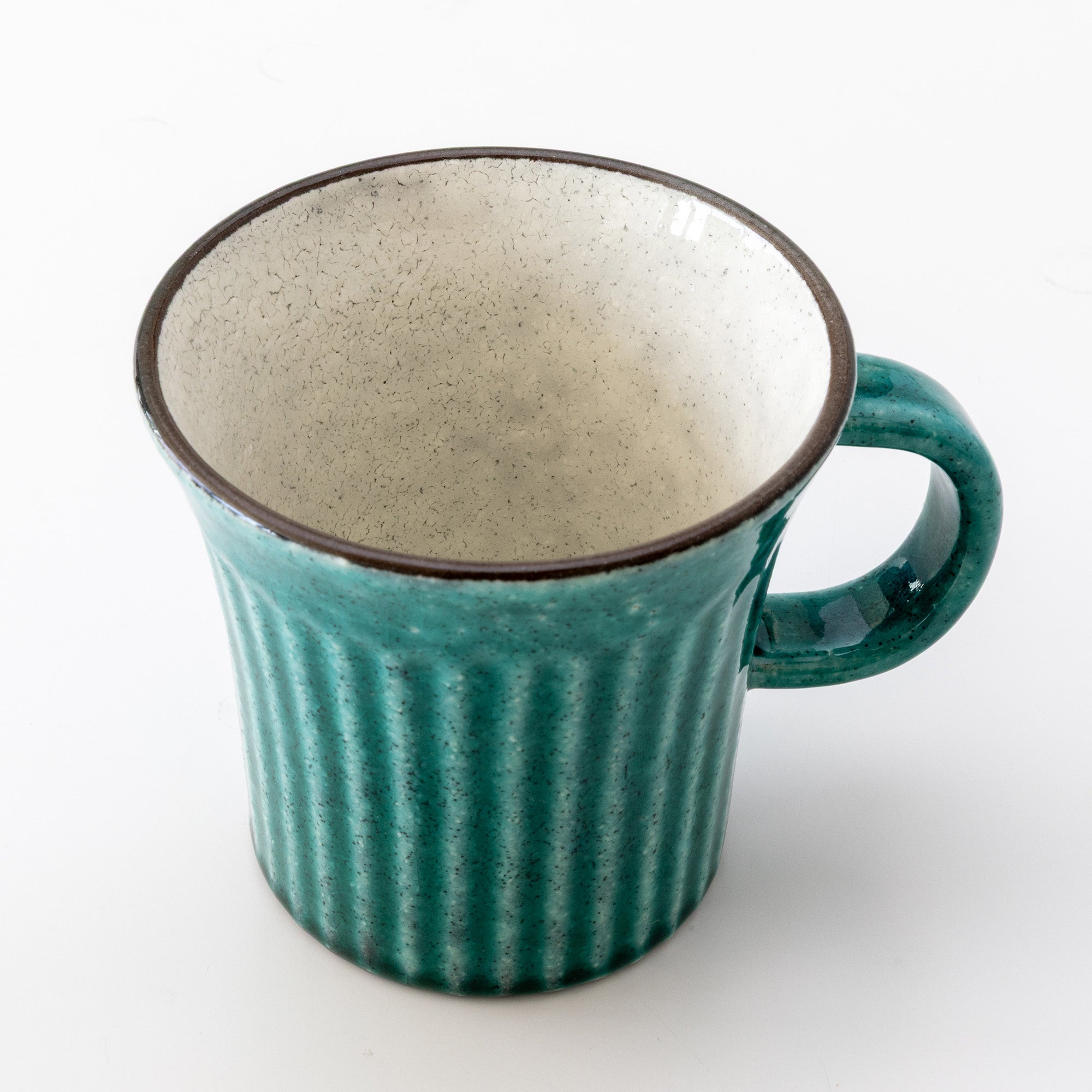
Set di tazze in ceramica Kairagi verde acqua & bianco, mug in gres lavorati a mano (set da 2) Set di tazze in ceramica Kairagi verde acqua & bianco, mug in gres lavorati a mano (set da 2)
-
Ciotola da matcha Sazanami con glassa -
Ciotola da matcha Shirogane con glassa argentata Ciotola da matcha Shirogane con glassa argentata
-
Teiera kyusu giapponese tradizionale Asayu 360 ml Midoriyu Teiera kyusu giapponese tradizionale Asayu 360 ml Midoriyu








Common questions
What is Mino ware?
Mino ware, or Mino yaki, is pottery from the Toki area of Gifu prefecture, where kilns have been working for more than 1,300 years. It is known less for one fixed look than for the range of its glazes, which is why two pieces from the same series can read quite differently.
Can I put these in the dishwasher or the microwave?
It varies from piece to piece, so check the product page of the item you want. We recommend hand washing everything, and the wooden lids, spoons and pestles should always be washed by hand and dried.
Why does my piece look a little different from the photograph?
The glazes are applied by hand and react differently in the kiln, so colour, speckling and crackle vary from piece to piece. This is normal for Mino ware and not a fault.
Which teapot size should I pick?
280 ml serves one person, 350 ml to 360 ml serves two, and 430 ml is for three, or for refills without going back to the kettle.
What is the difference between a matcha bowl and a tea cup?
A matcha bowl is wide and open so a bamboo whisk can move freely against the base. A yunomi tea cup is tall and narrow and is made for pouring and drinking, not for whisking.
Do you sell the dripper and the mug separately?
Yes. Each colour is available as a dripper on its own, a mug on its own, or both together as a pour over set.