
Ceramiche

Le nostre stoviglie vengono da Toki, nella prefettura di Gifu, il cuore della ceramica Mino, uno stile prodotto nelle stesse valli da più di milletrecento anni. Il Mino è un artigianato tradizionale protetto, noto per le glasse inventive e per forme che altre fornaci non tenterebbero: è per questo che due pezzi non escono mai uguali.
Qui trovi ciotole da riso con coperchio e cucchiaio in legno, dripper per caffè pour over con tazze coordinate, tazze da tè dipinte a mano, set di tazze da sake ochoko e set con mortaio e pestello. Tutto è pensato per l’uso quotidiano, non per l’esposizione.
Filtri
29 articoli
Ordina Best seller
-
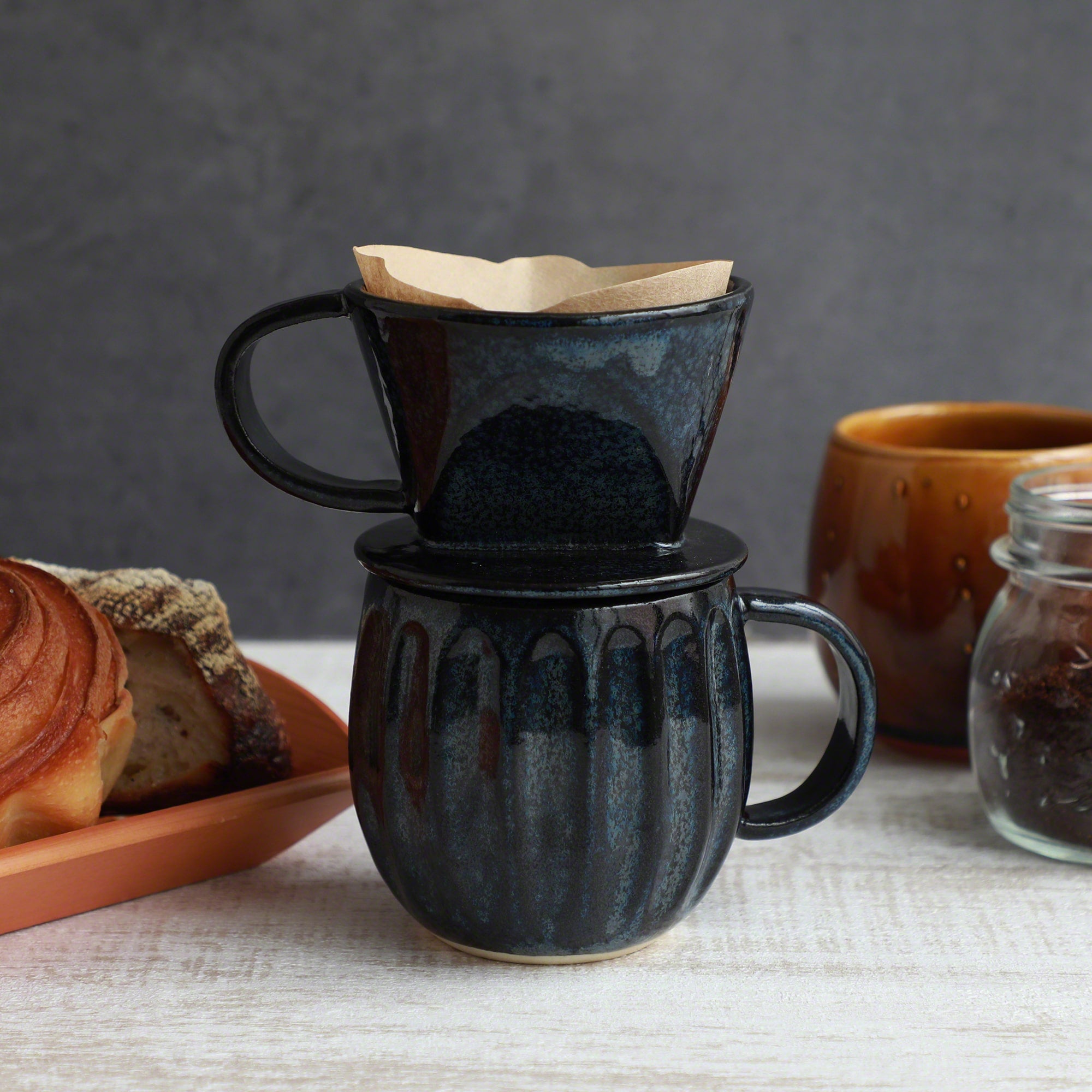
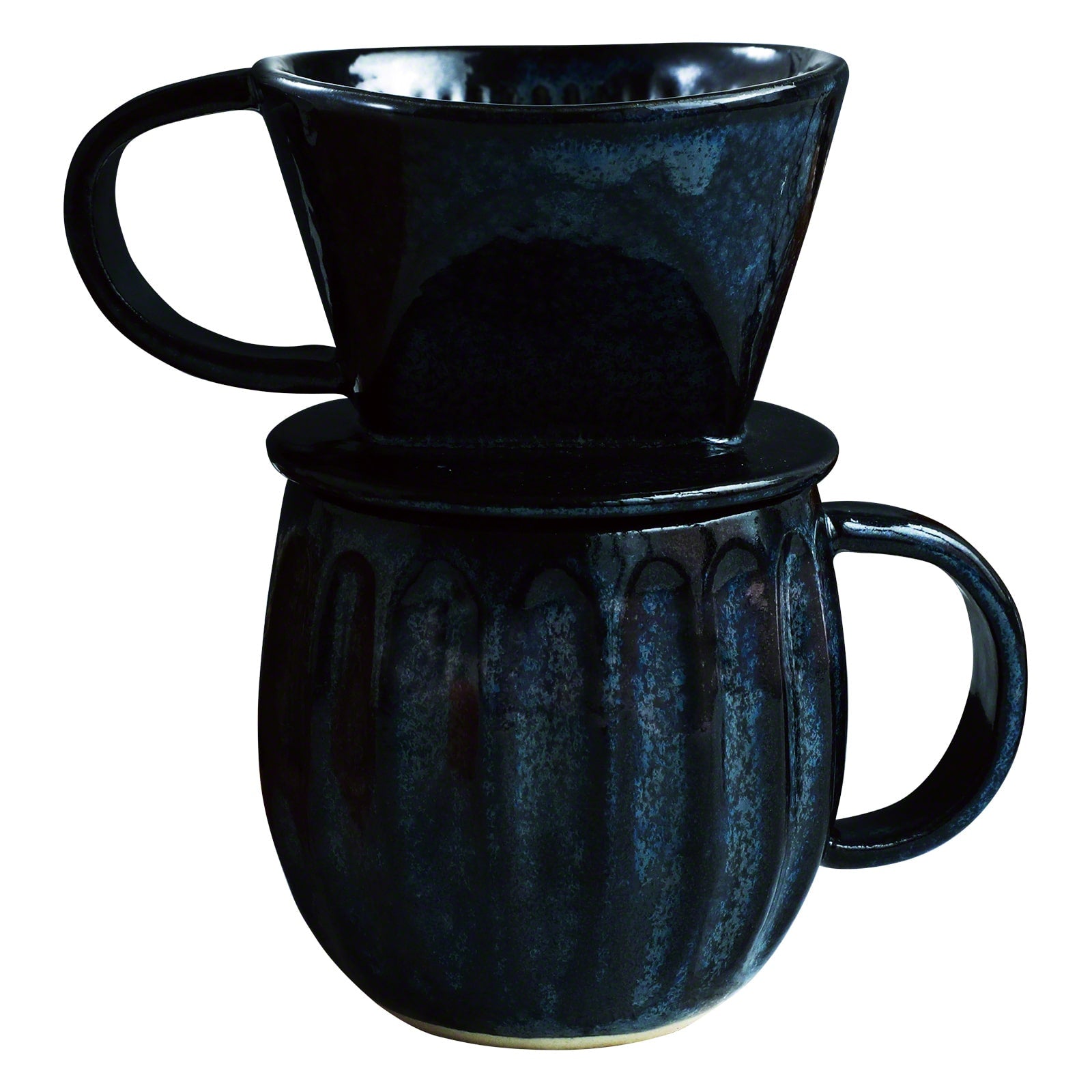
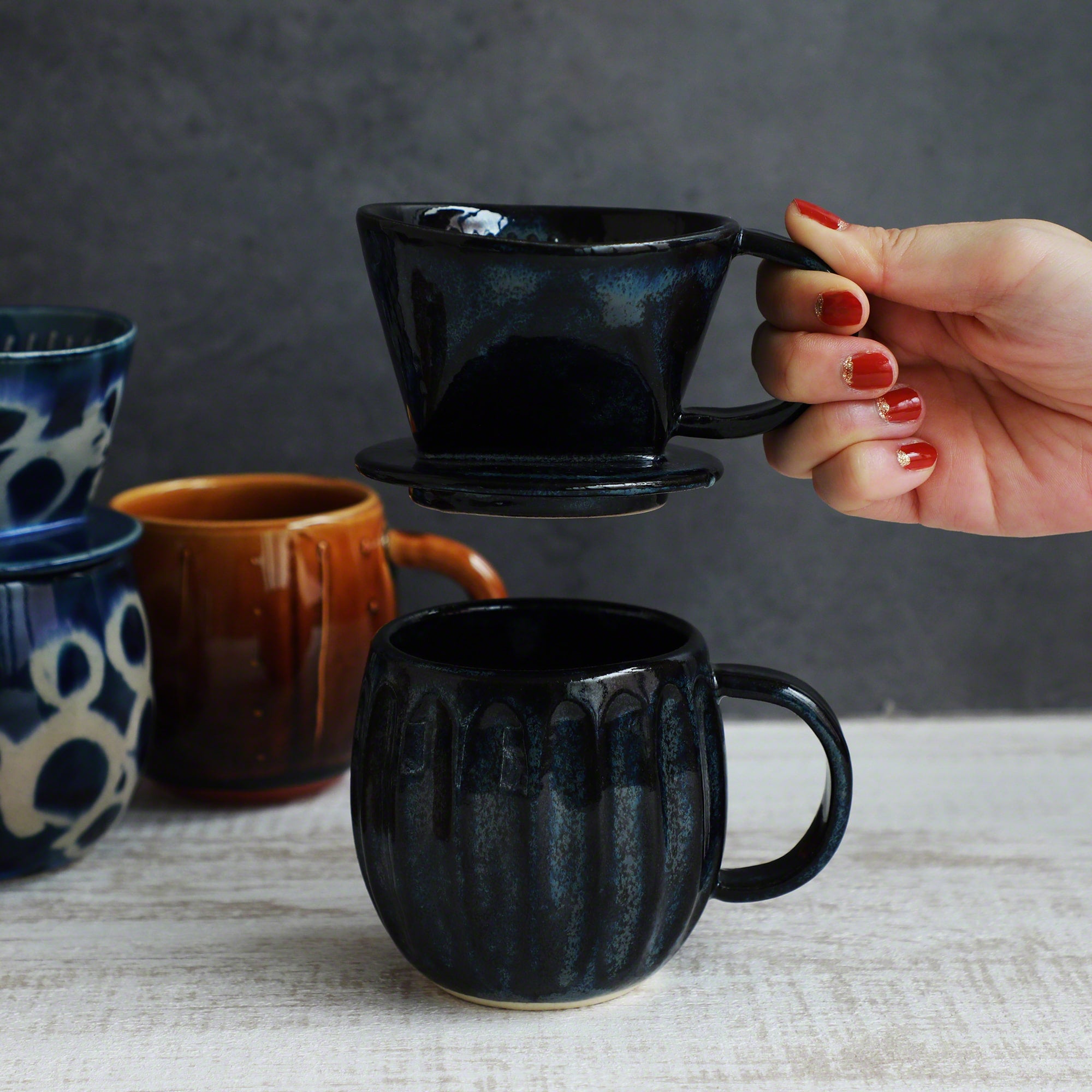
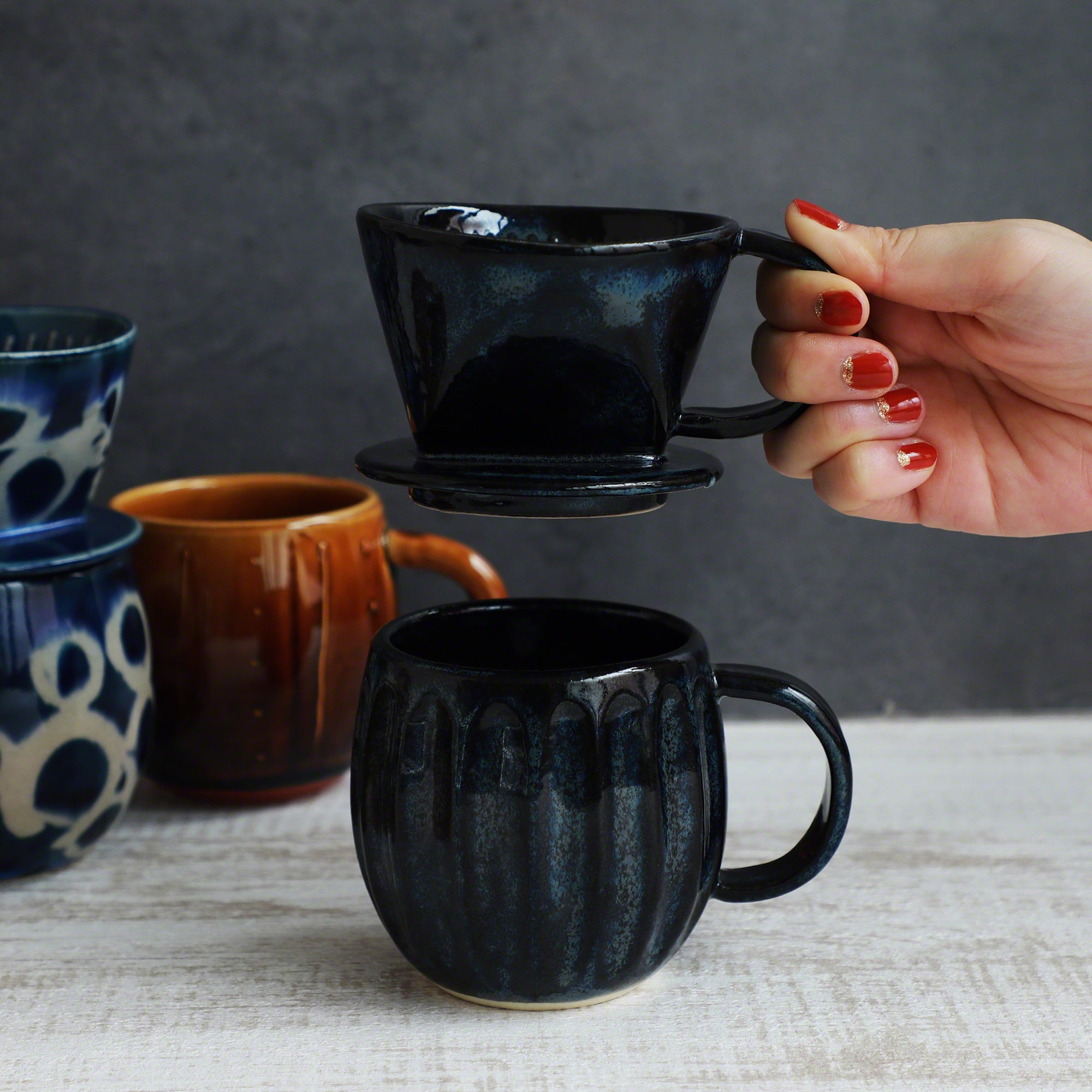
Set pour over per caffè in ceramica blu navy scuro In offertaSet pour over per caffè in ceramica blu navy scuro
Set pour over per caffè in ceramica blu navy scuro
Prezzo promozionale $50.99 USD Prezzo di listino $58.99 USD -
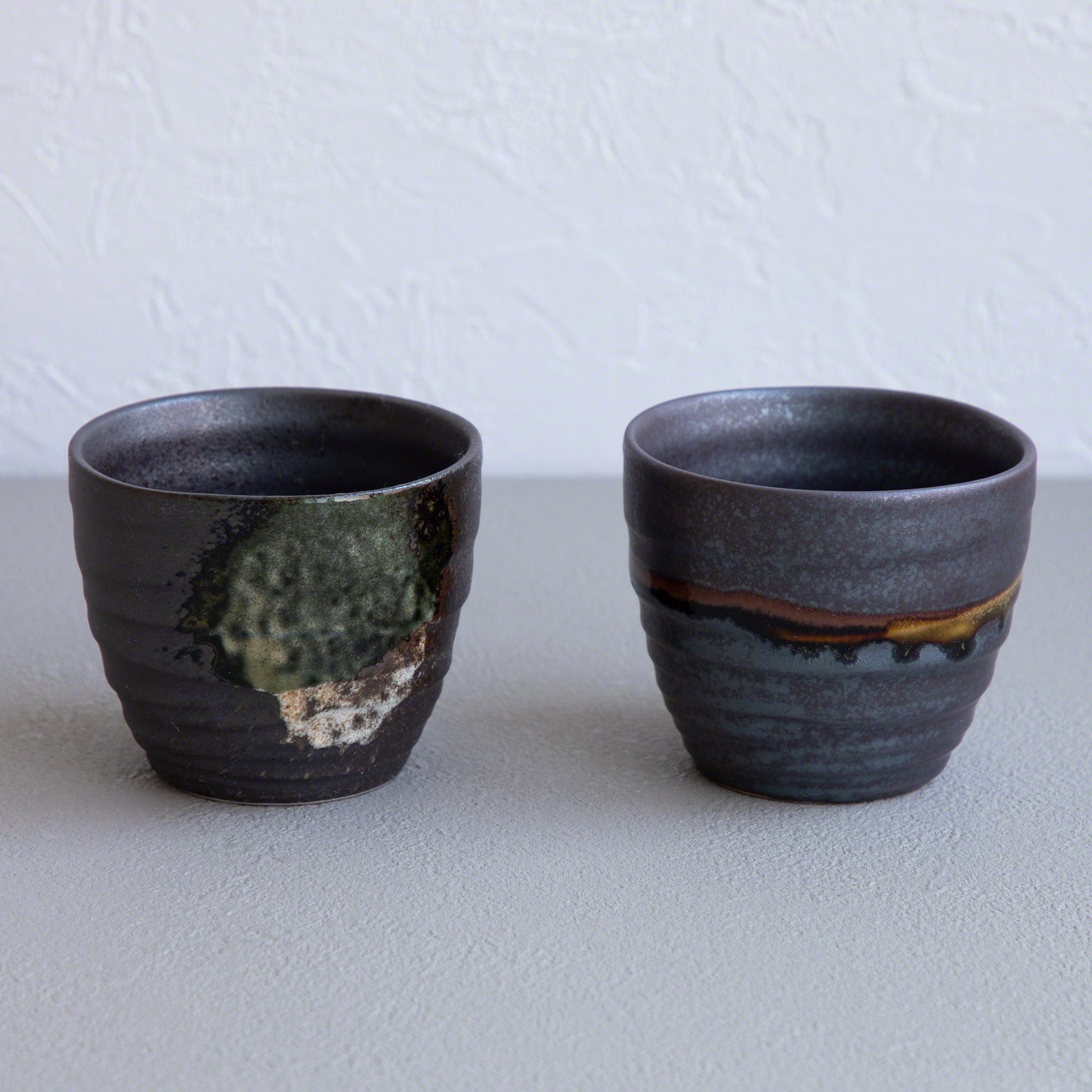
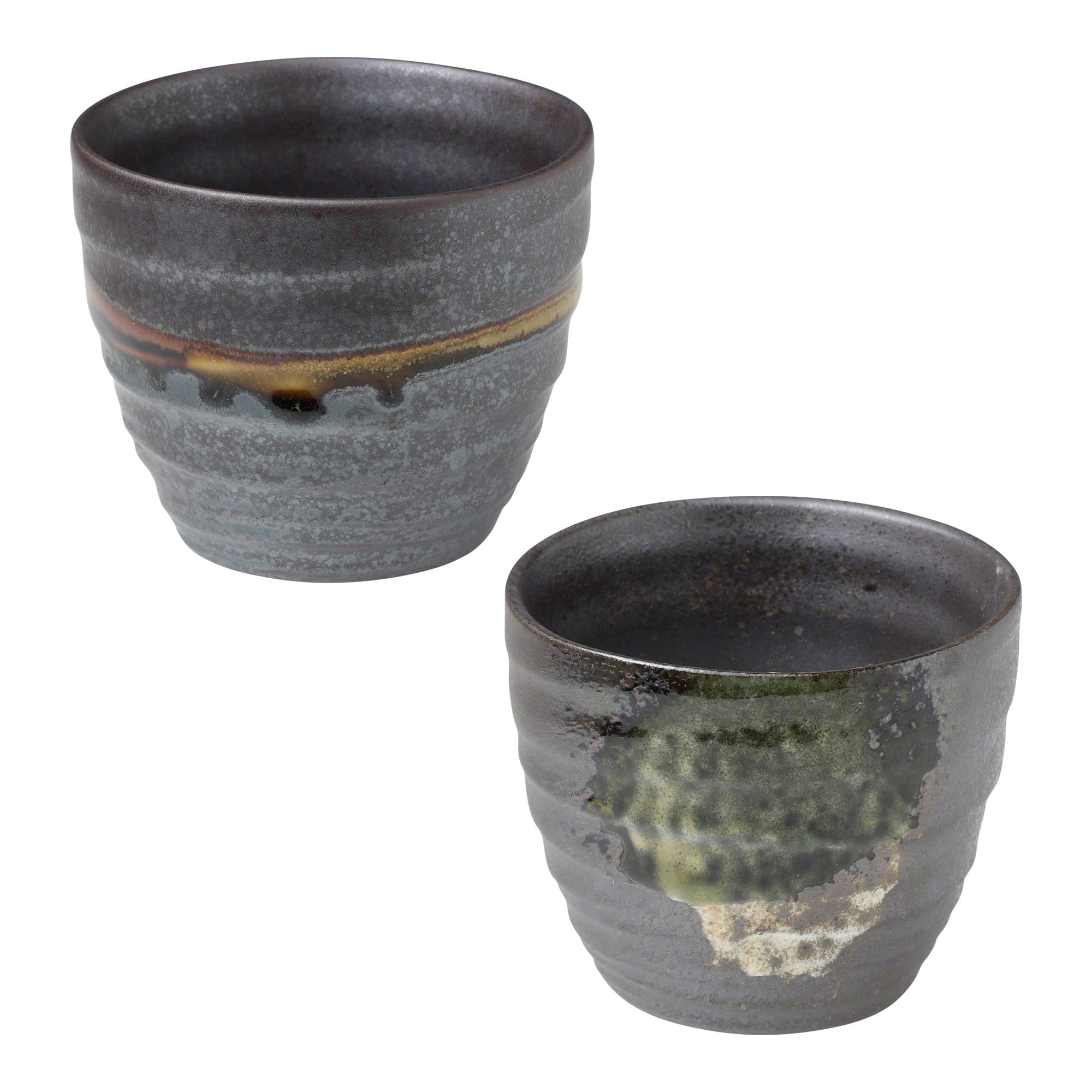
Tazze da tè in ceramica smaltata dipinte a mano set da 2 in marrone scuro metallizzato Tazze da tè in ceramica smaltata dipinte a mano set da 2 in marrone scuro metallizzato
-
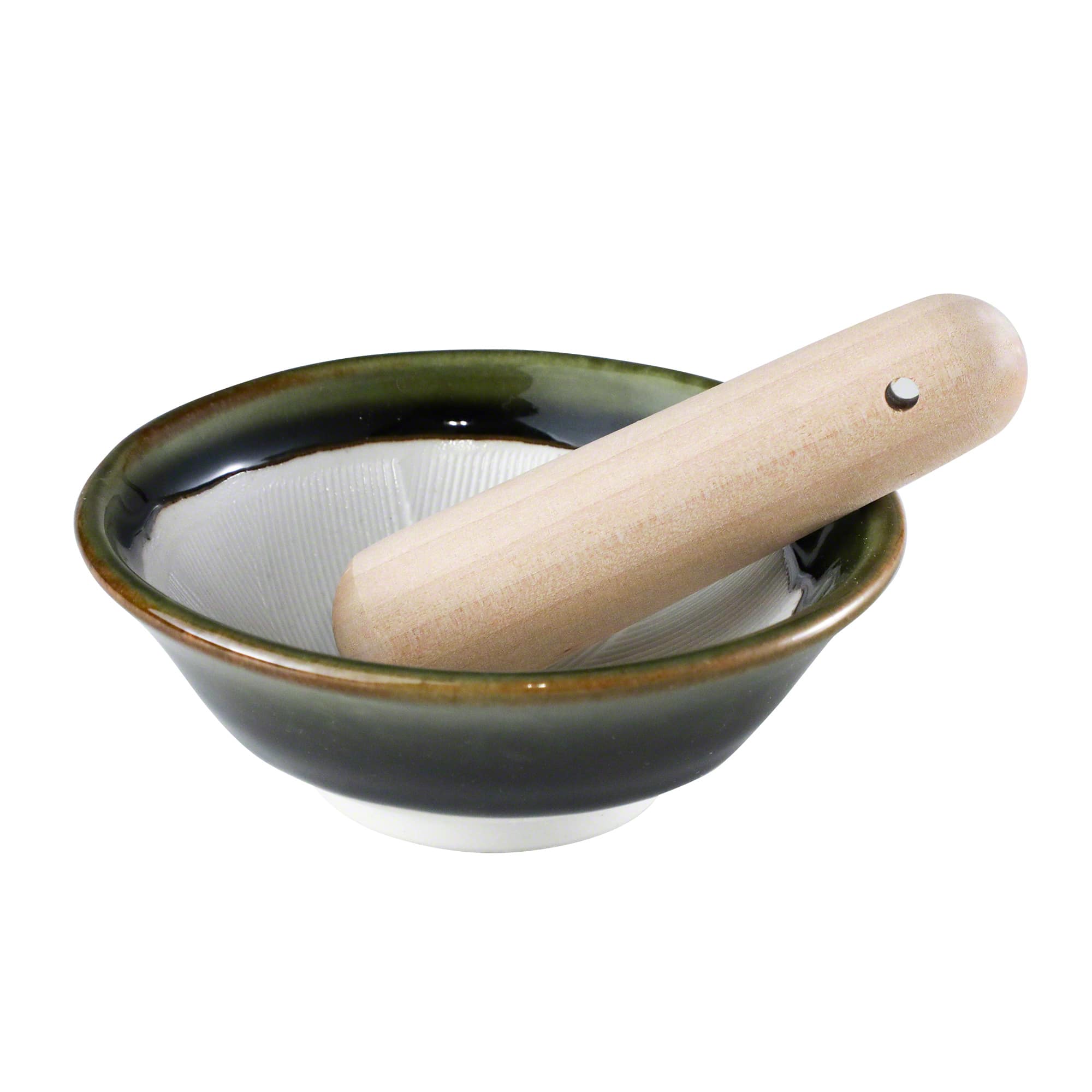
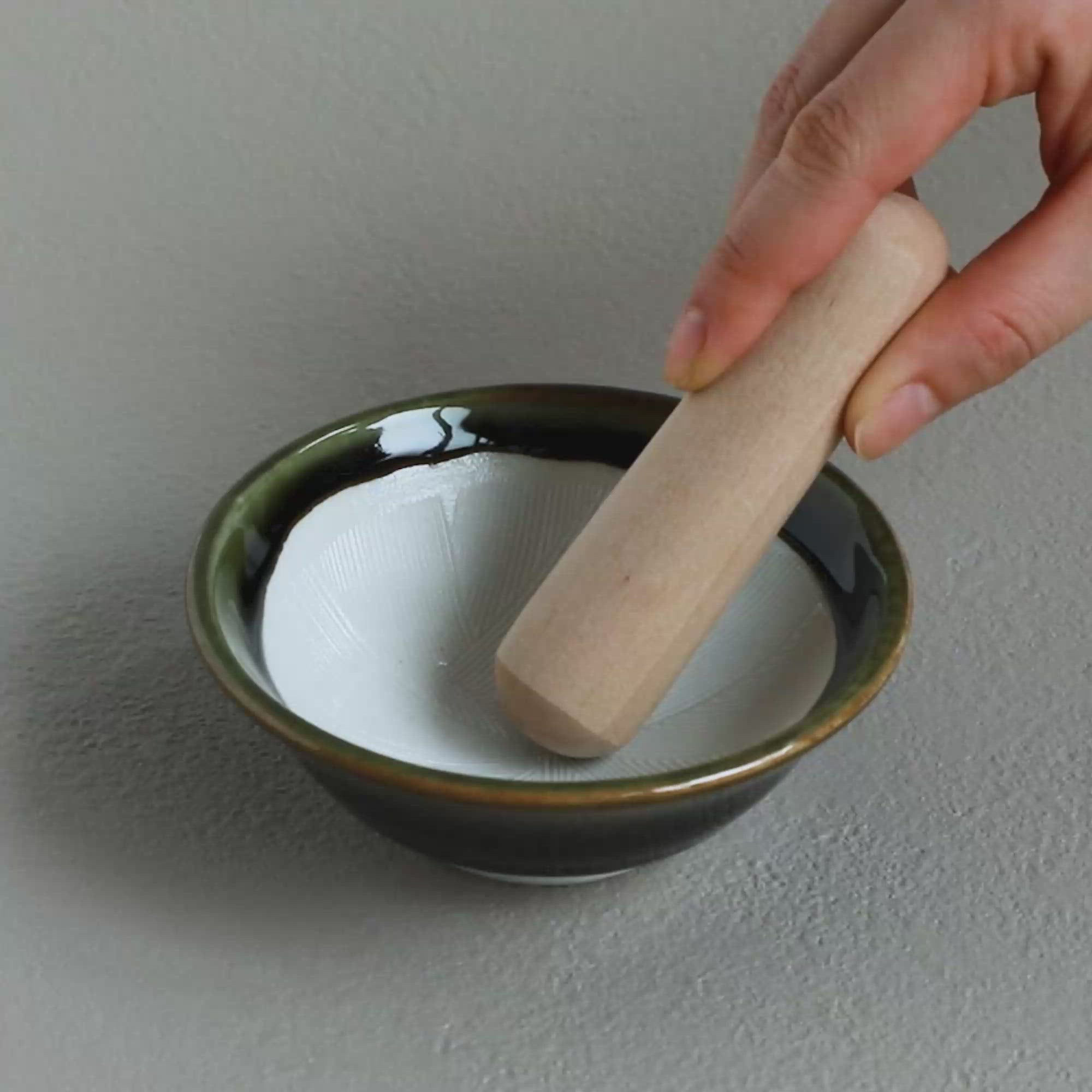
Mortaio verde oliva in ceramica con pestello in legno Mortaio verde oliva in ceramica con pestello in legno
-
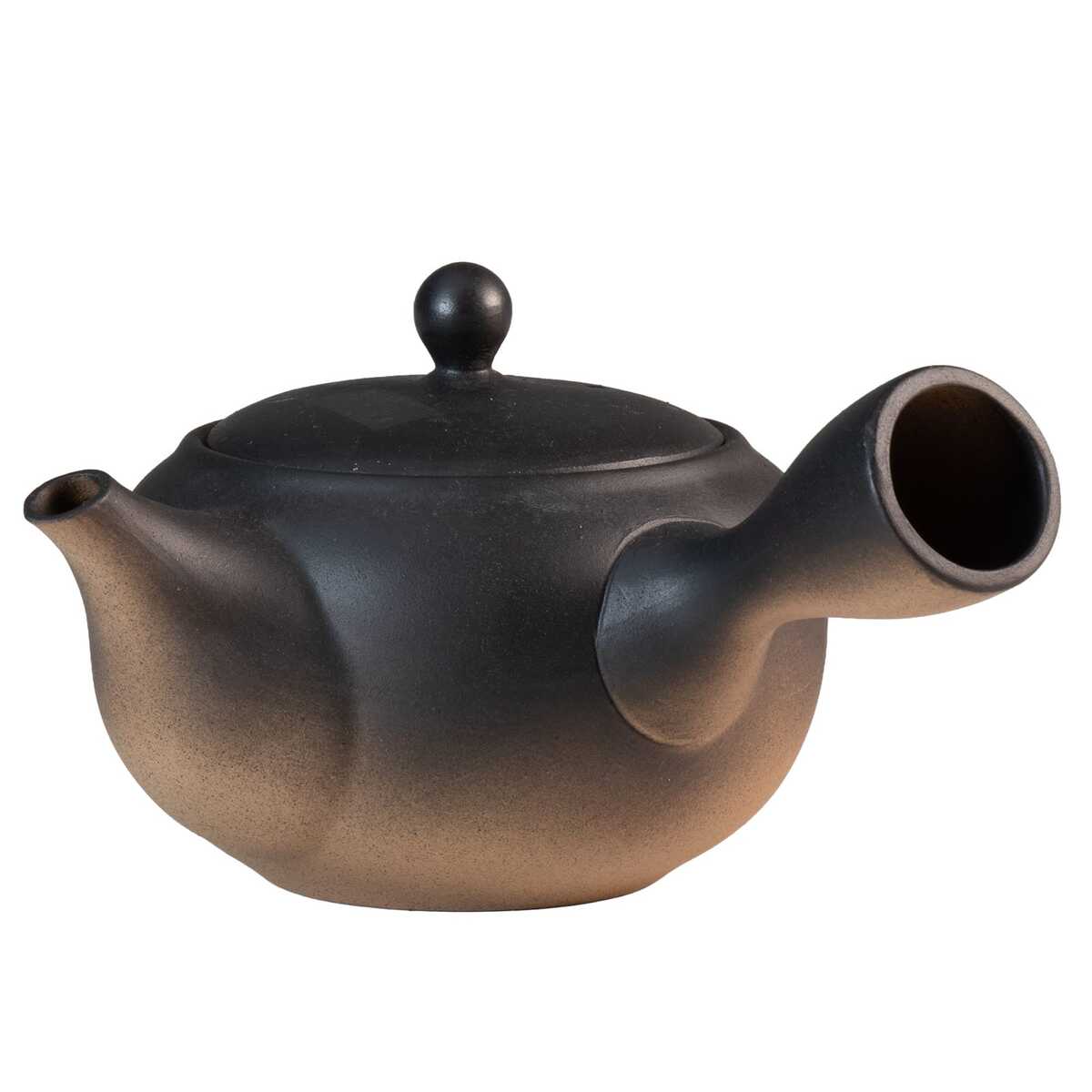
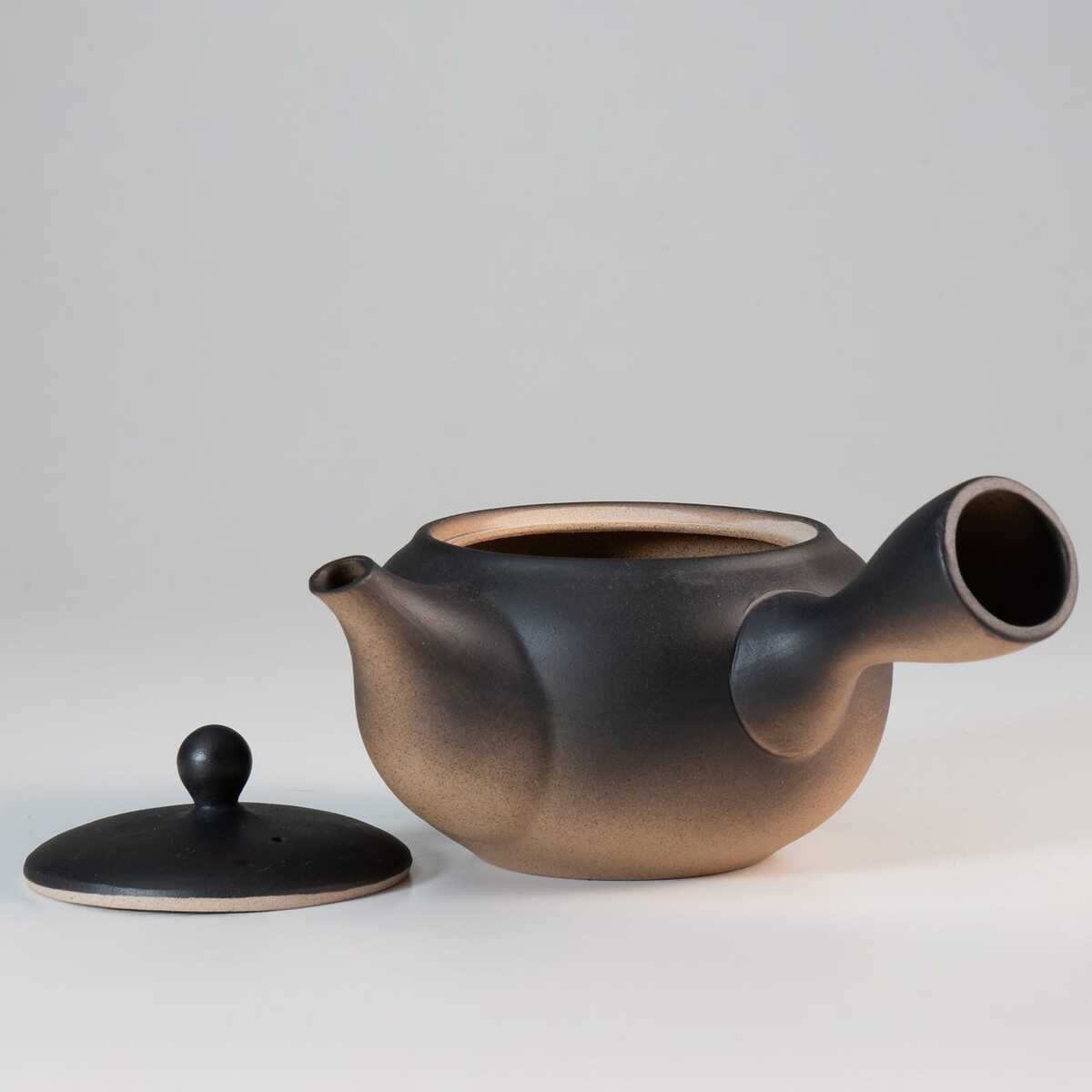
Teiera kyusu giapponese tradizionale Asayu 430 ml - finitura nera Teiera kyusu giapponese tradizionale Asayu 430 ml - finitura nera
-
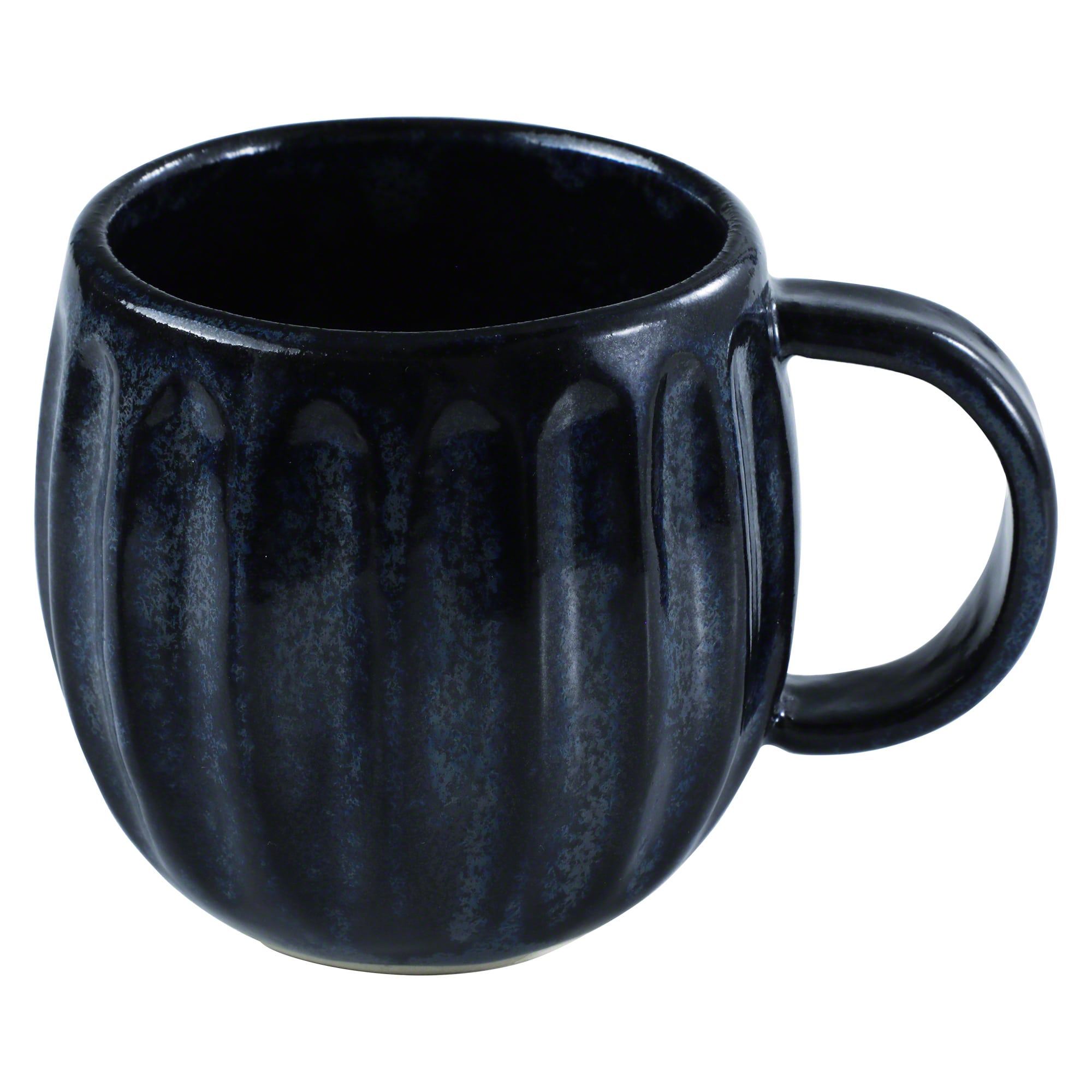
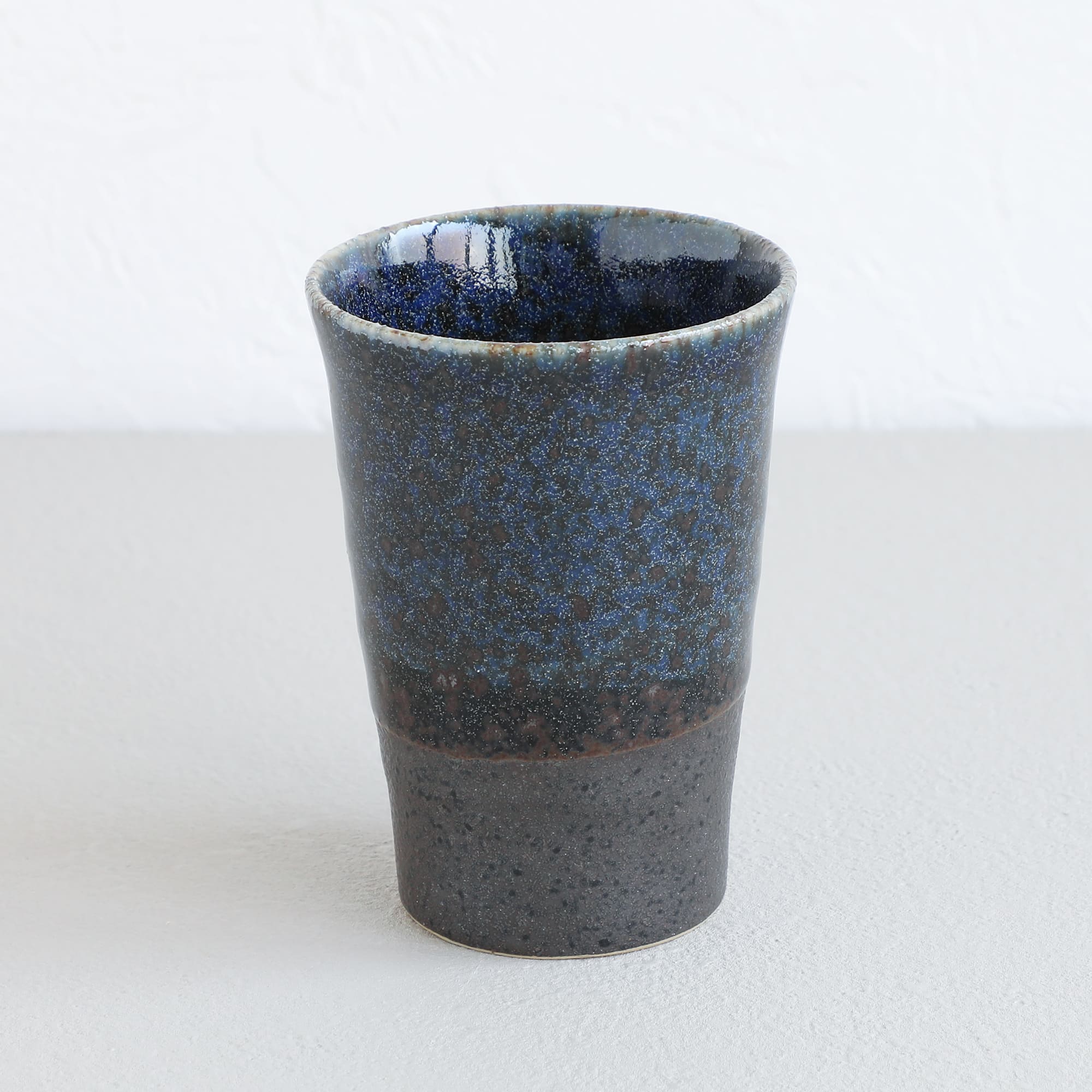
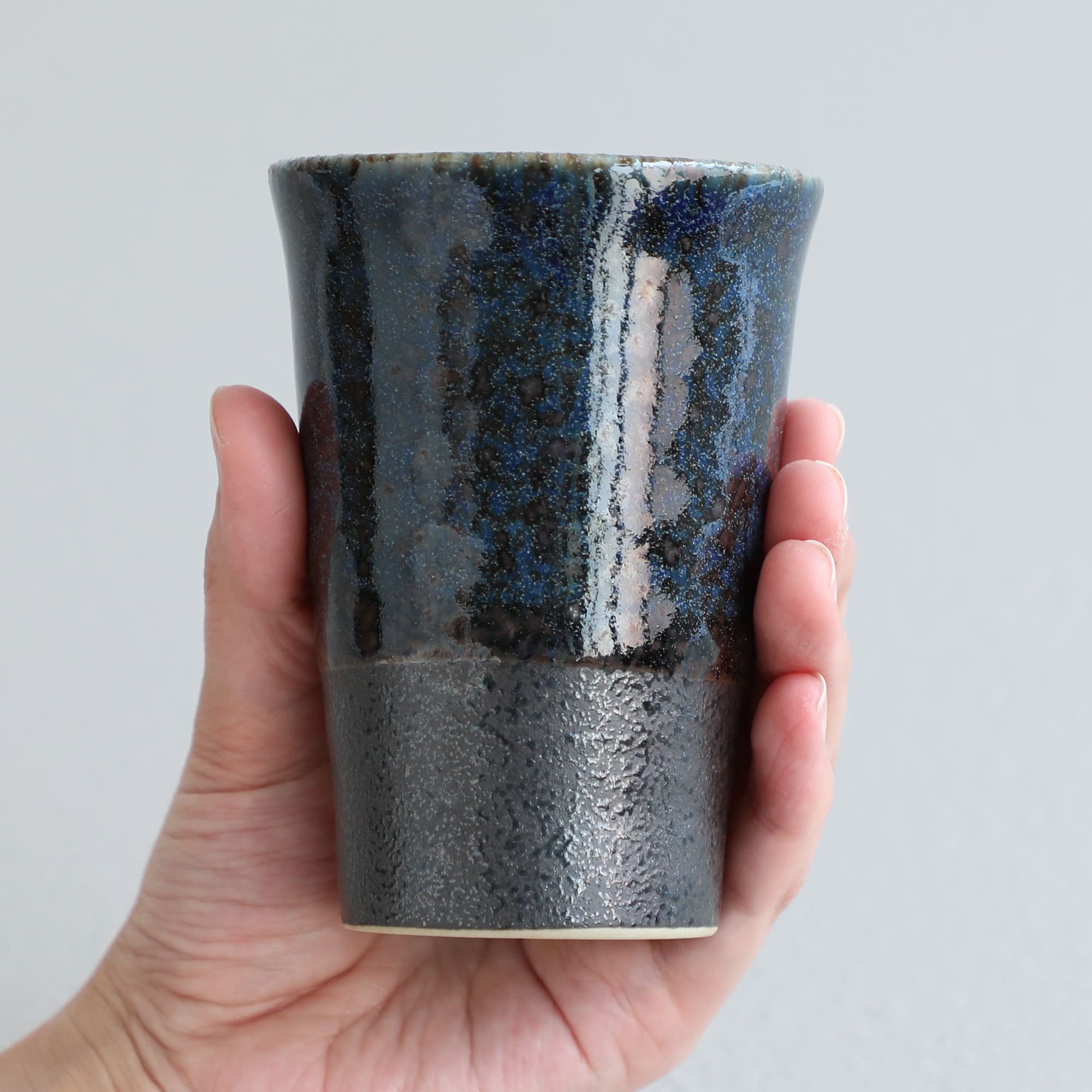
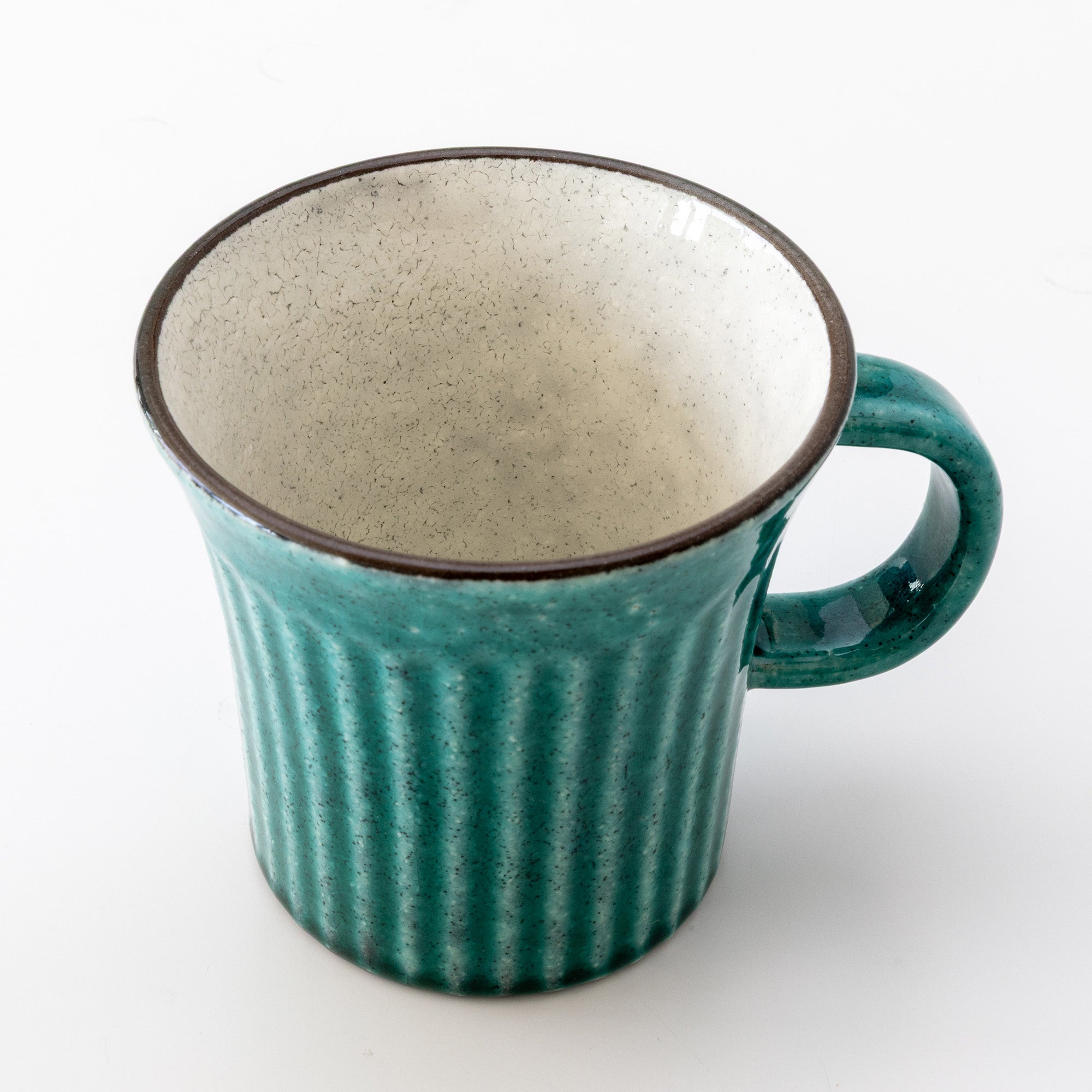
Mug da caffè in ceramica blu navy scuro In offertaMug da caffè in ceramica blu navy scuro
Mug da caffè in ceramica blu navy scuro
Prezzo promozionale $31.99 USD Prezzo di listino $39.99 USD -
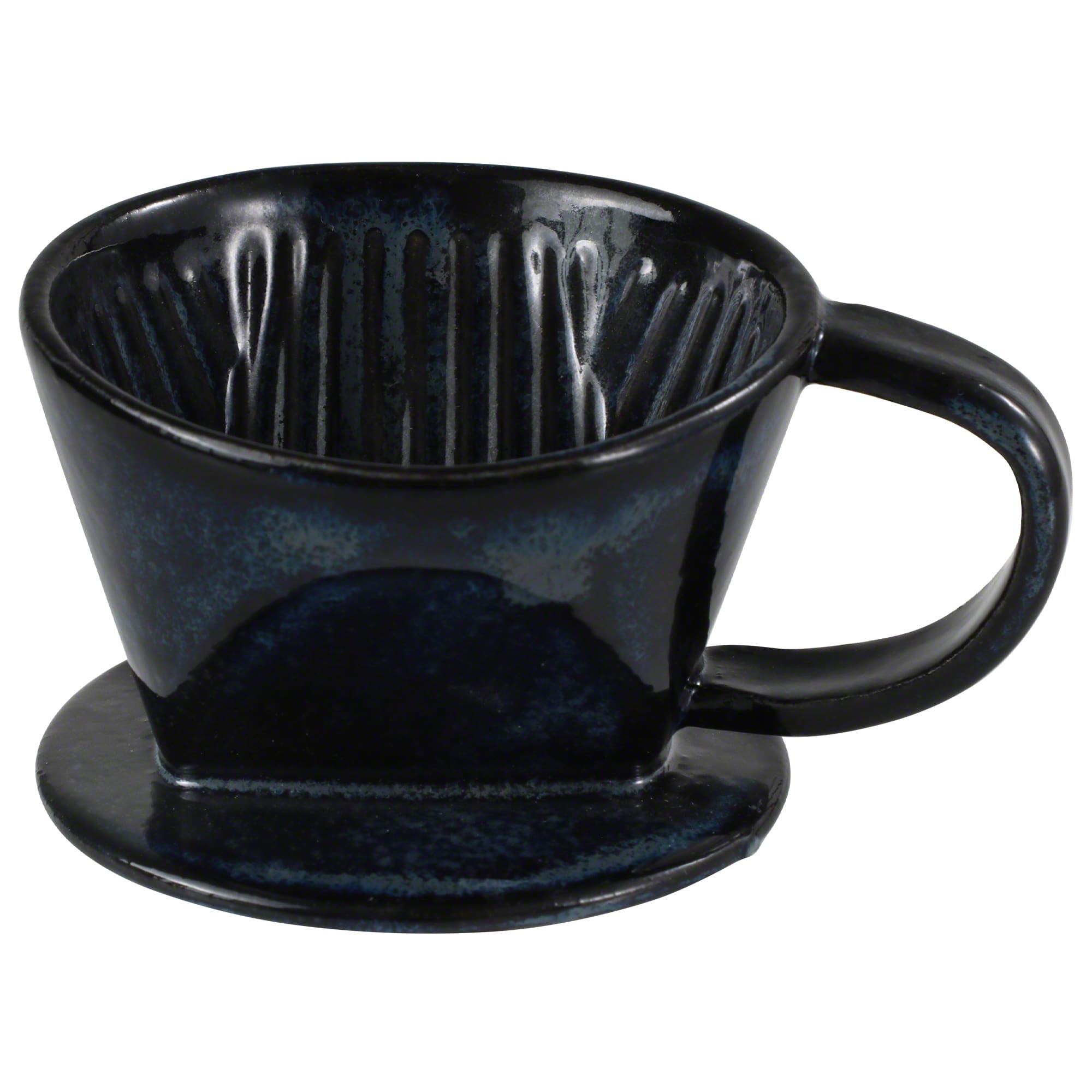
Dripper per caffè in ceramica blu navy scuro In offertaDripper per caffè in ceramica blu navy scuro
Dripper per caffè in ceramica blu navy scuro
Prezzo promozionale $29.99 USD Prezzo di listino $37.99 USD -
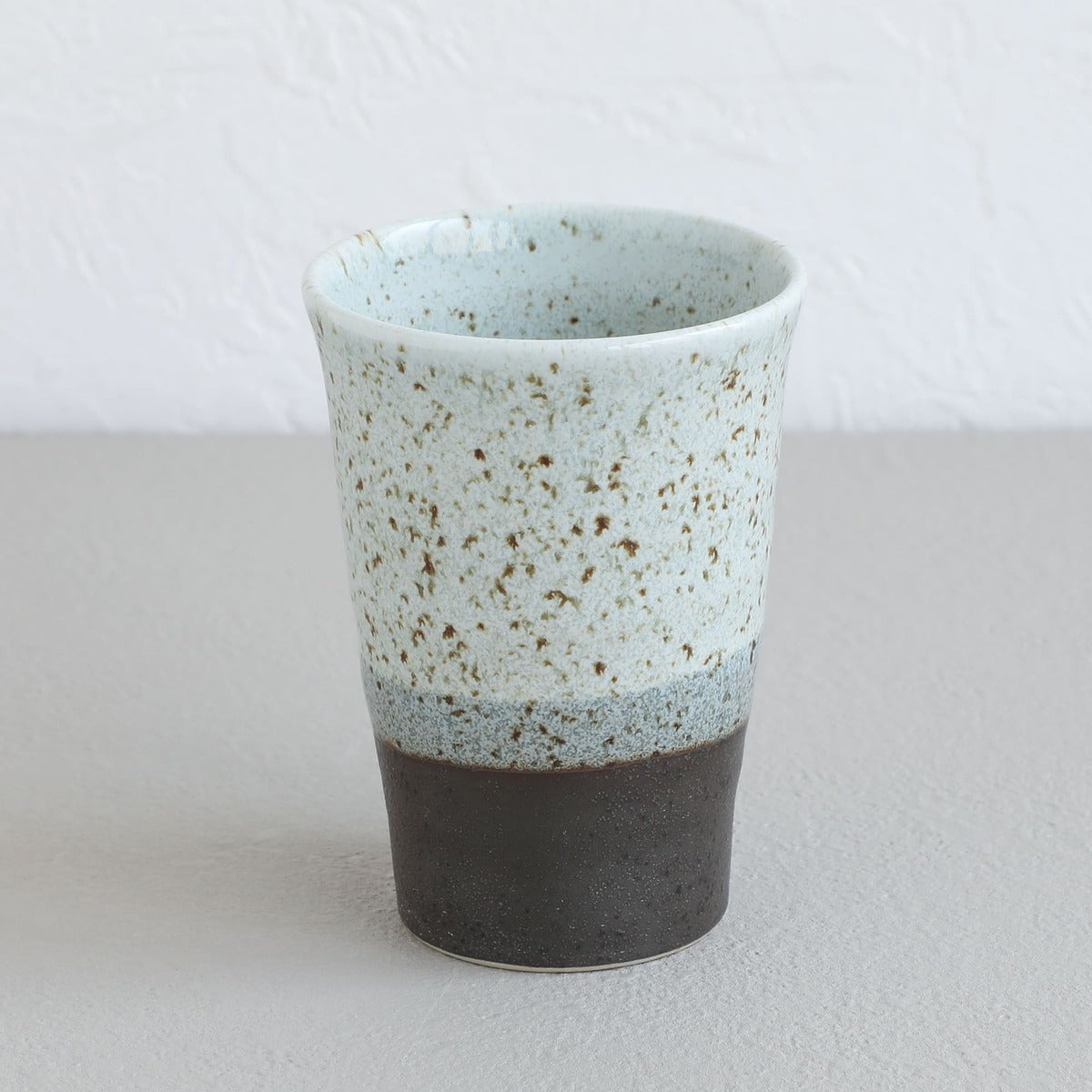
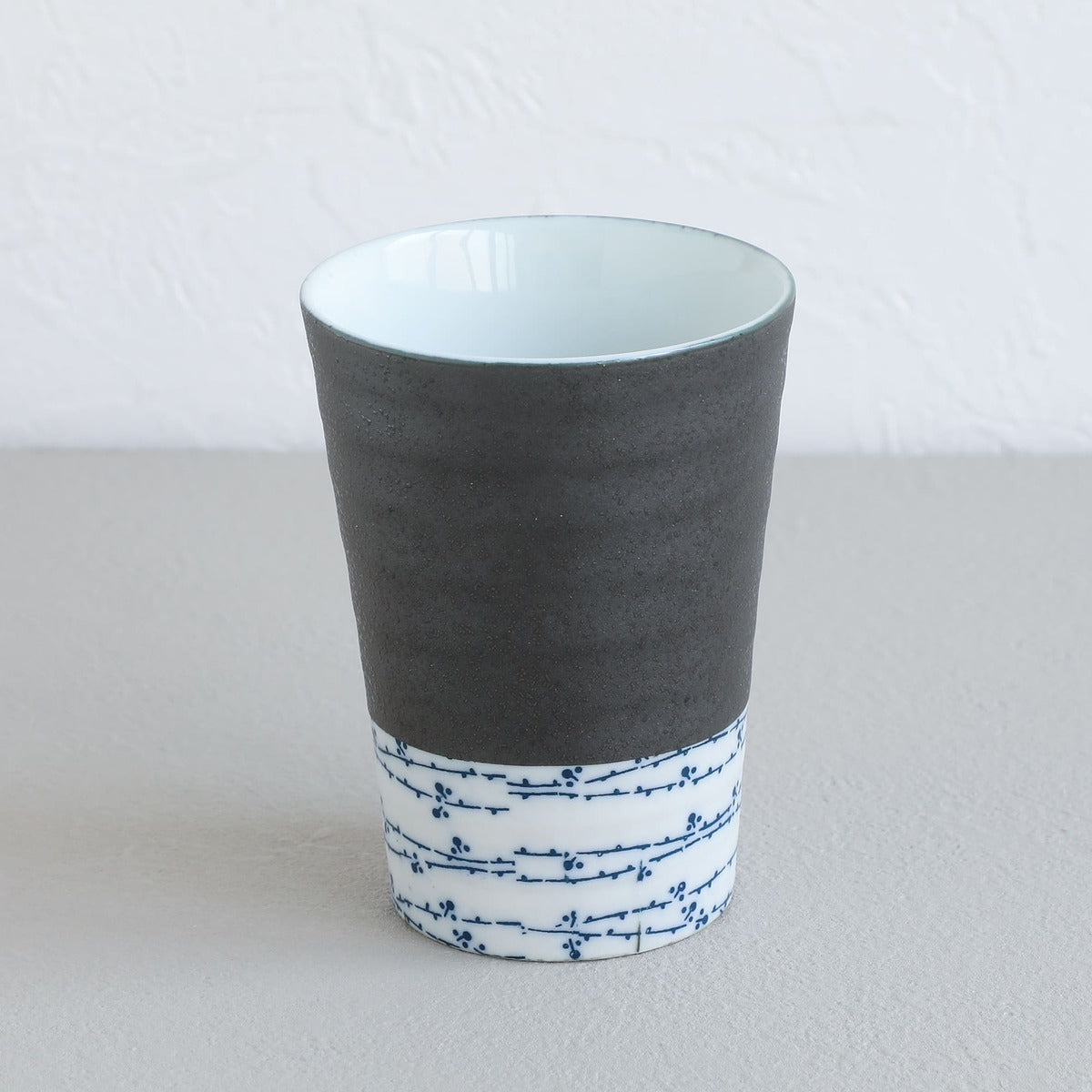
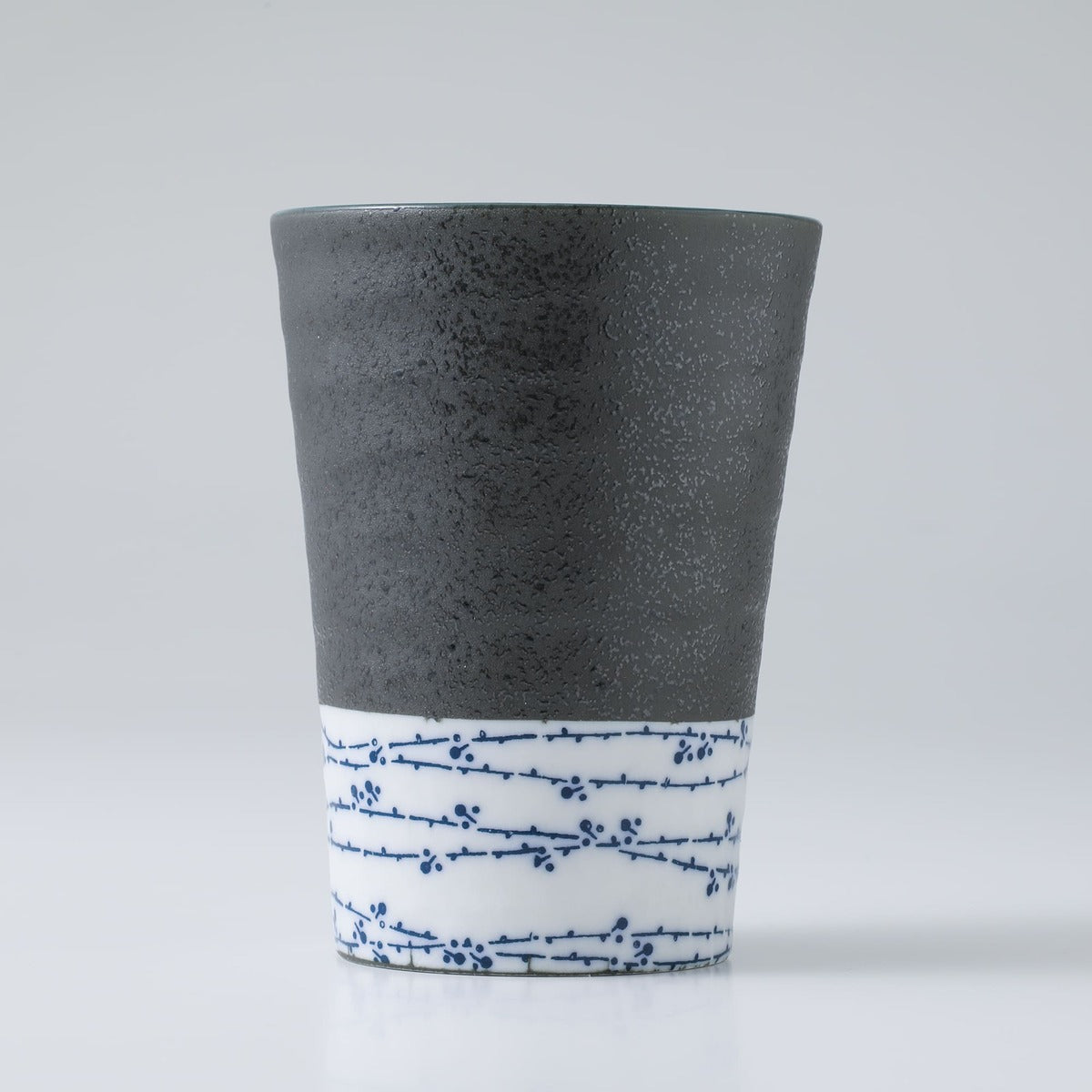
Tazza da tè in ceramica 310 ml, mug giapponese yunomi - blu x nero Tazza da tè in ceramica 310 ml, mug giapponese yunomi - blu x nero
-
Ciotola da matcha Kogane con glassa dorata -
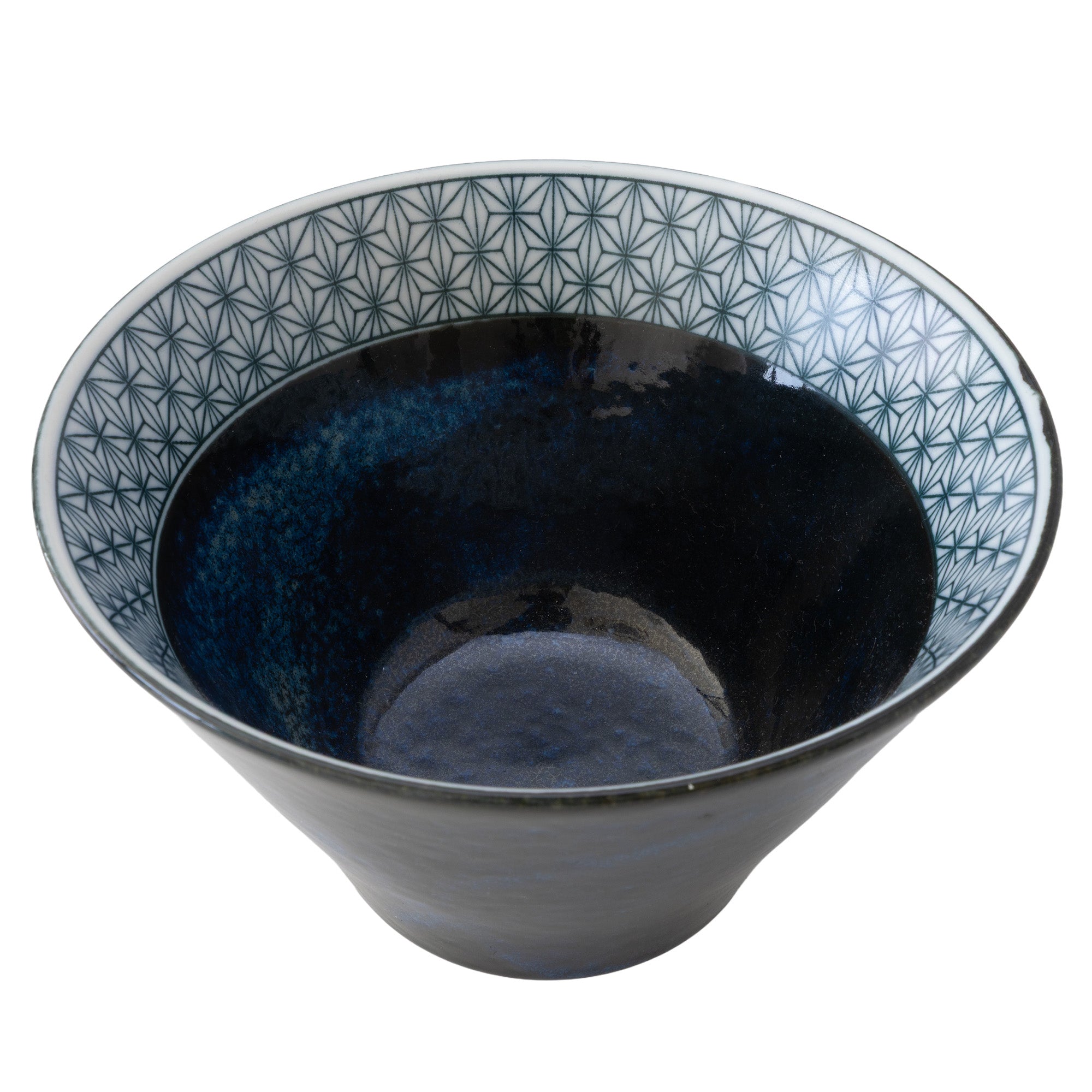
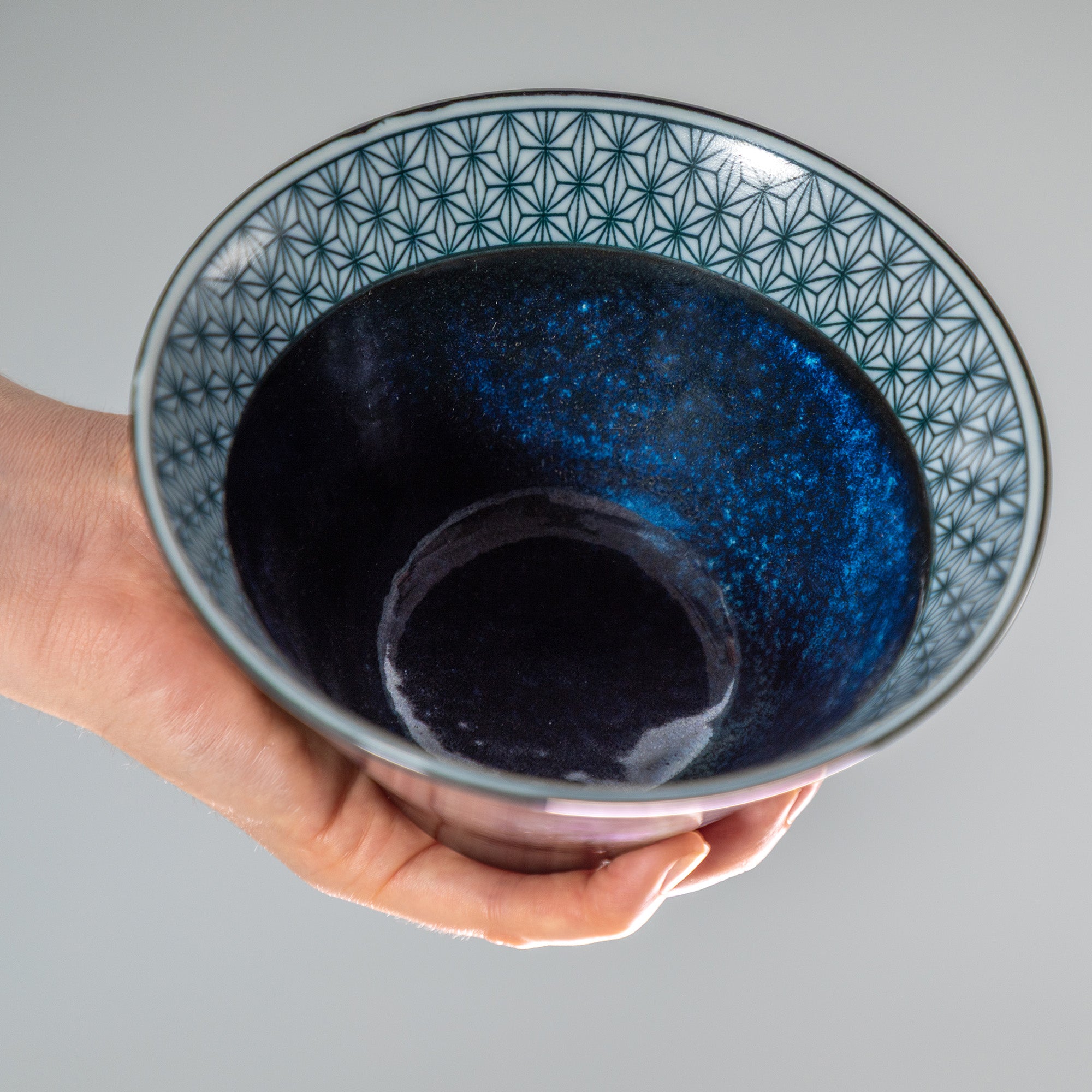
Ciotola da ramen Asanoha indaco, ciotola media in ceramica con motivo tradizionale a foglia di canapa Ciotola da ramen Asanoha indaco, ciotola media in ceramica con motivo tradizionale a foglia di canapa
-
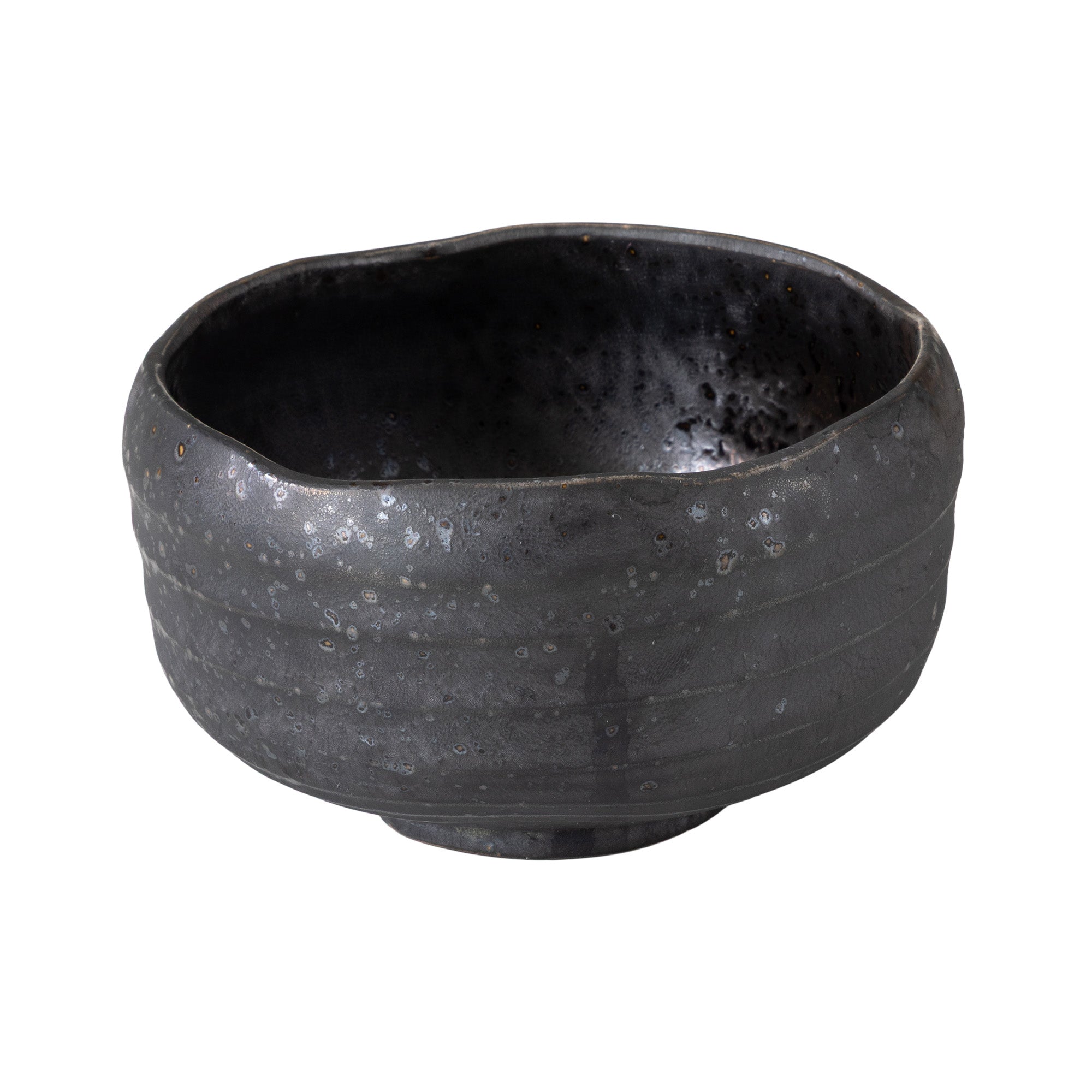
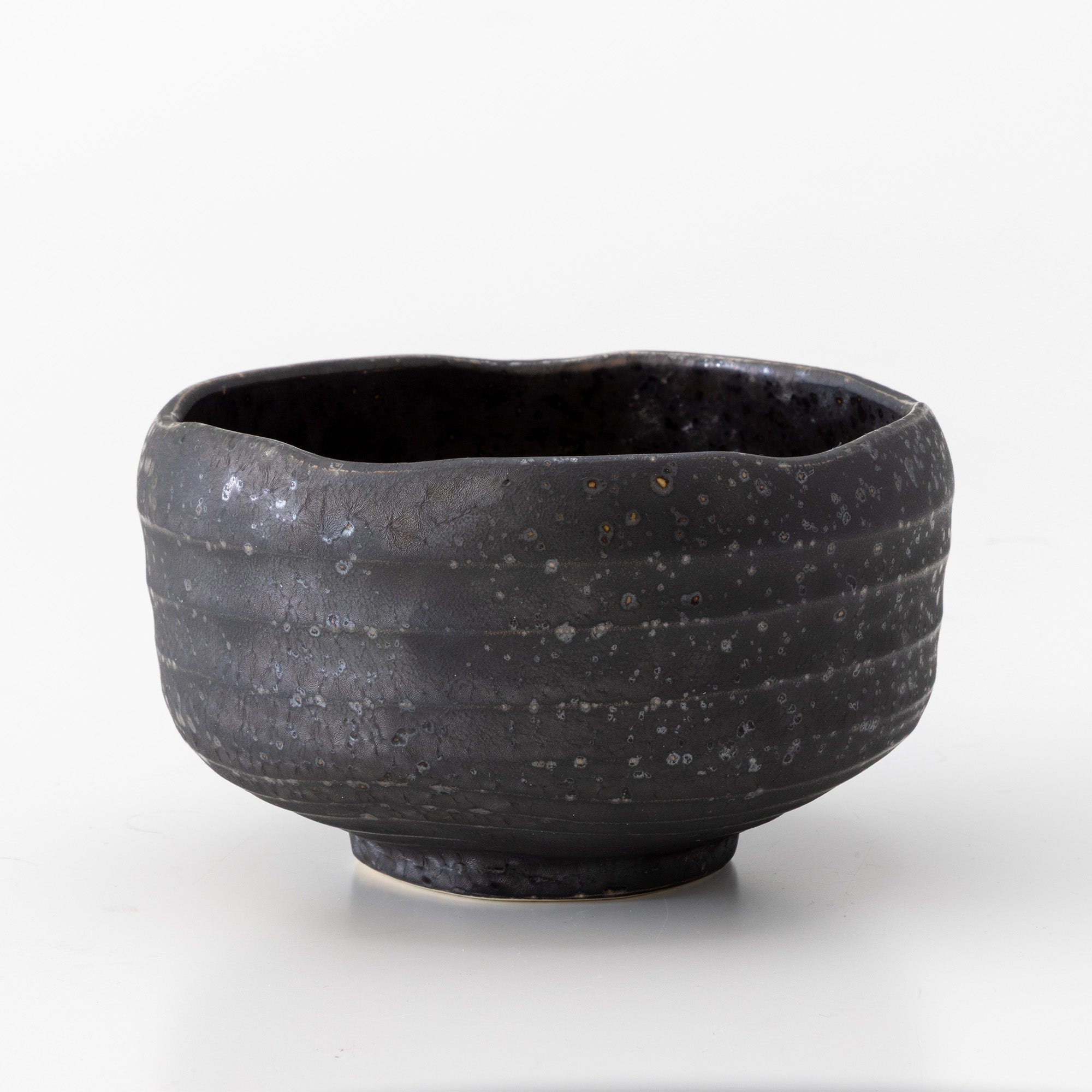
Ciotola da matcha Kurogane nera con screziature argentate Ciotola da matcha Kurogane nera con screziature argentate
-
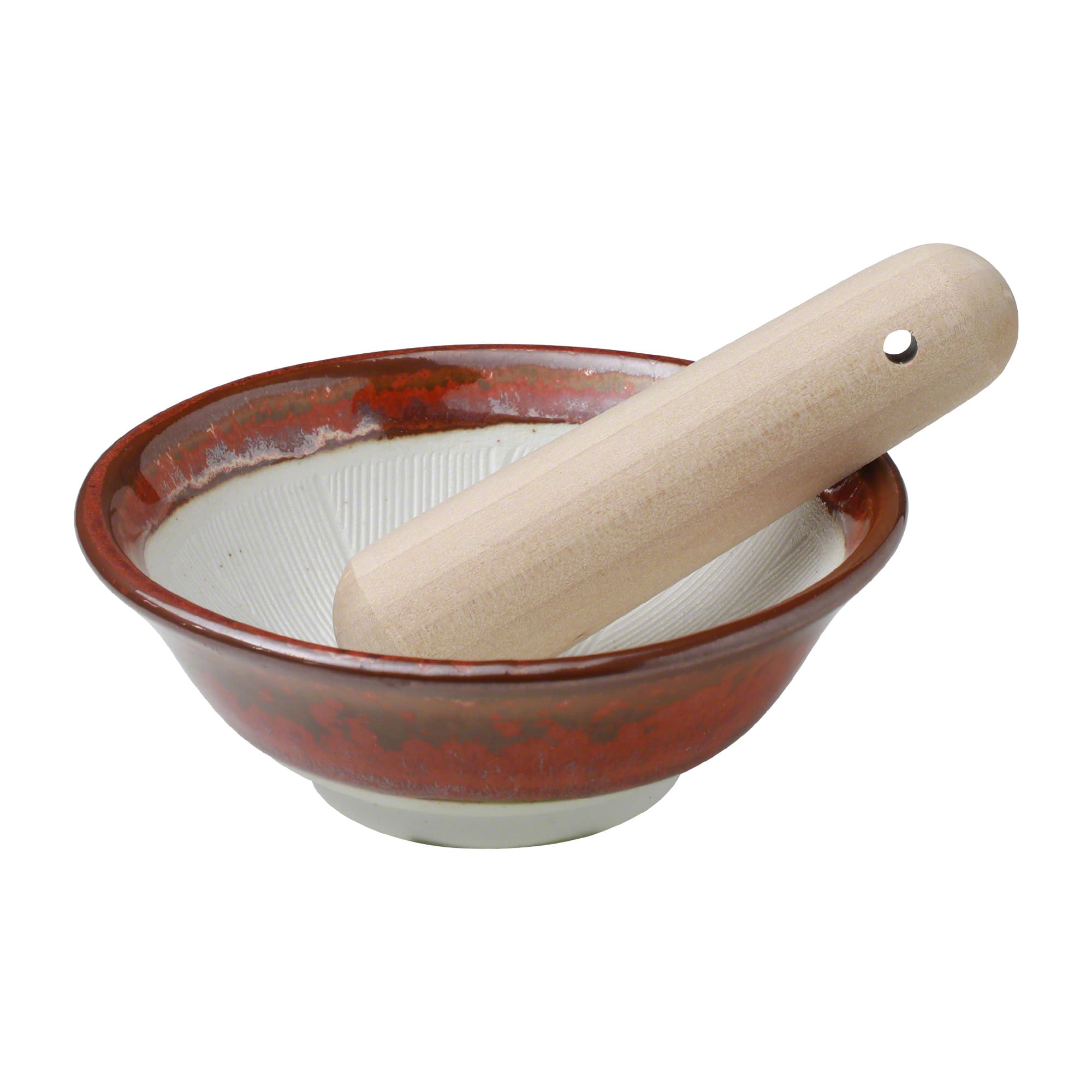
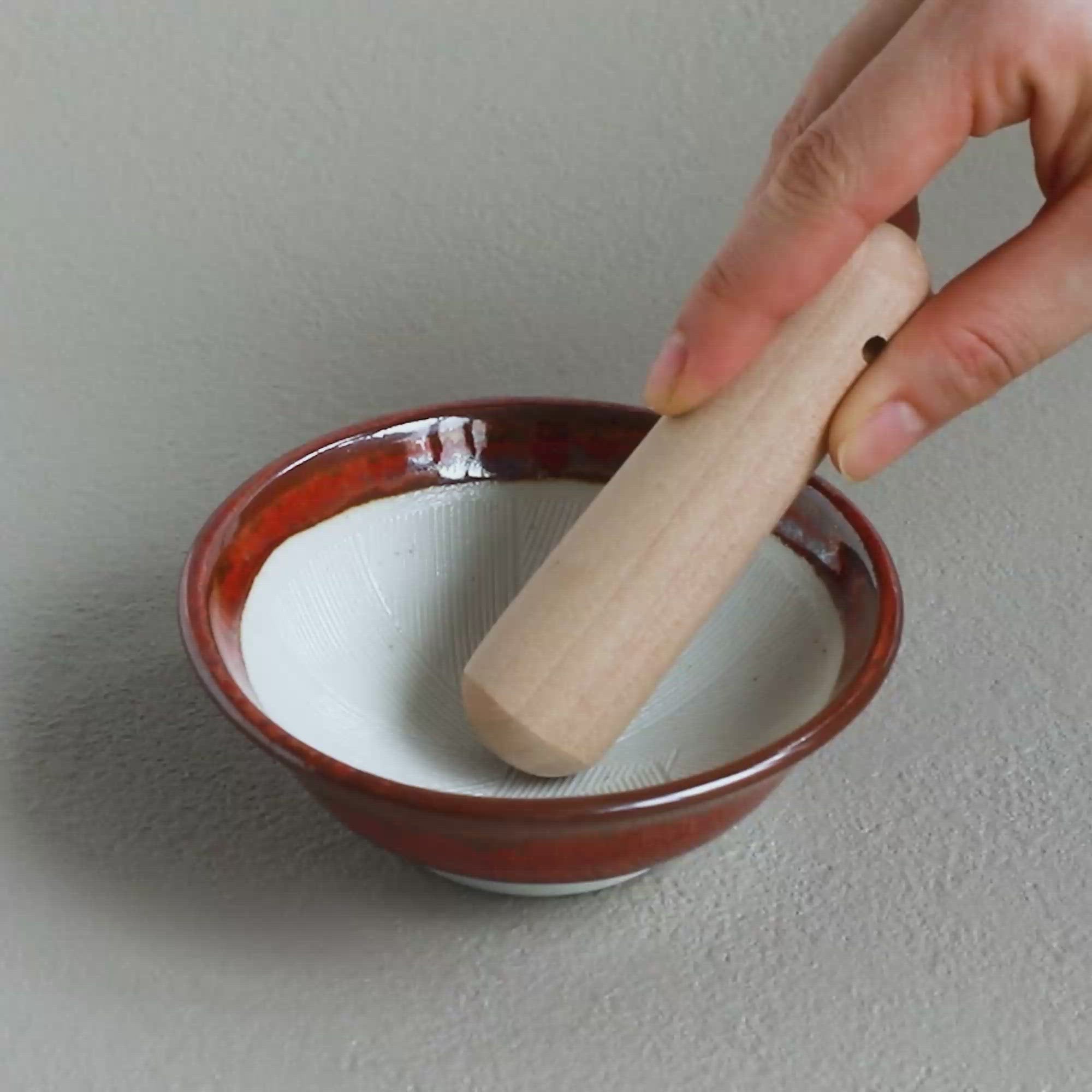
Mortaio rosso in ceramica con pestello in legno Mortaio rosso in ceramica con pestello in legno
-
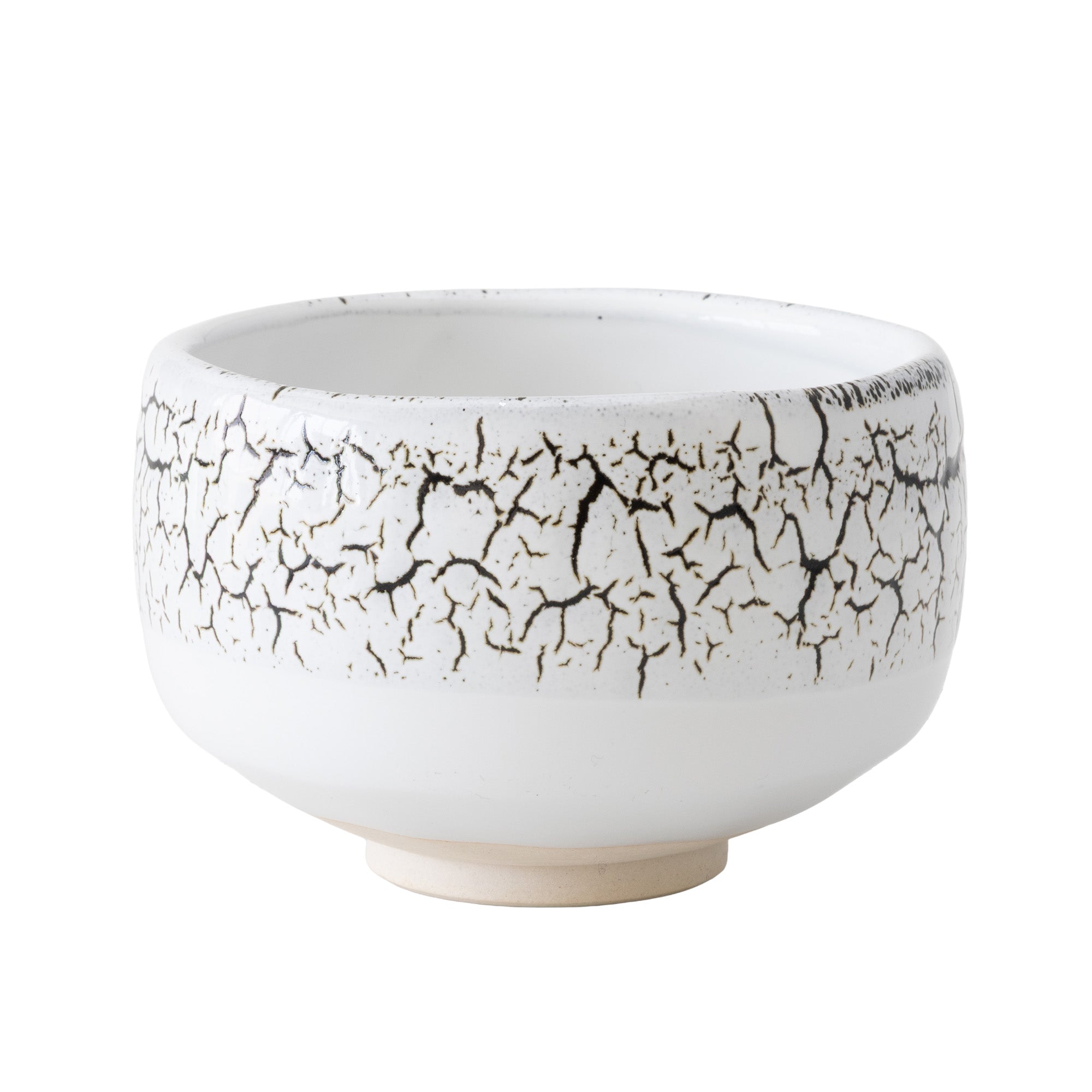
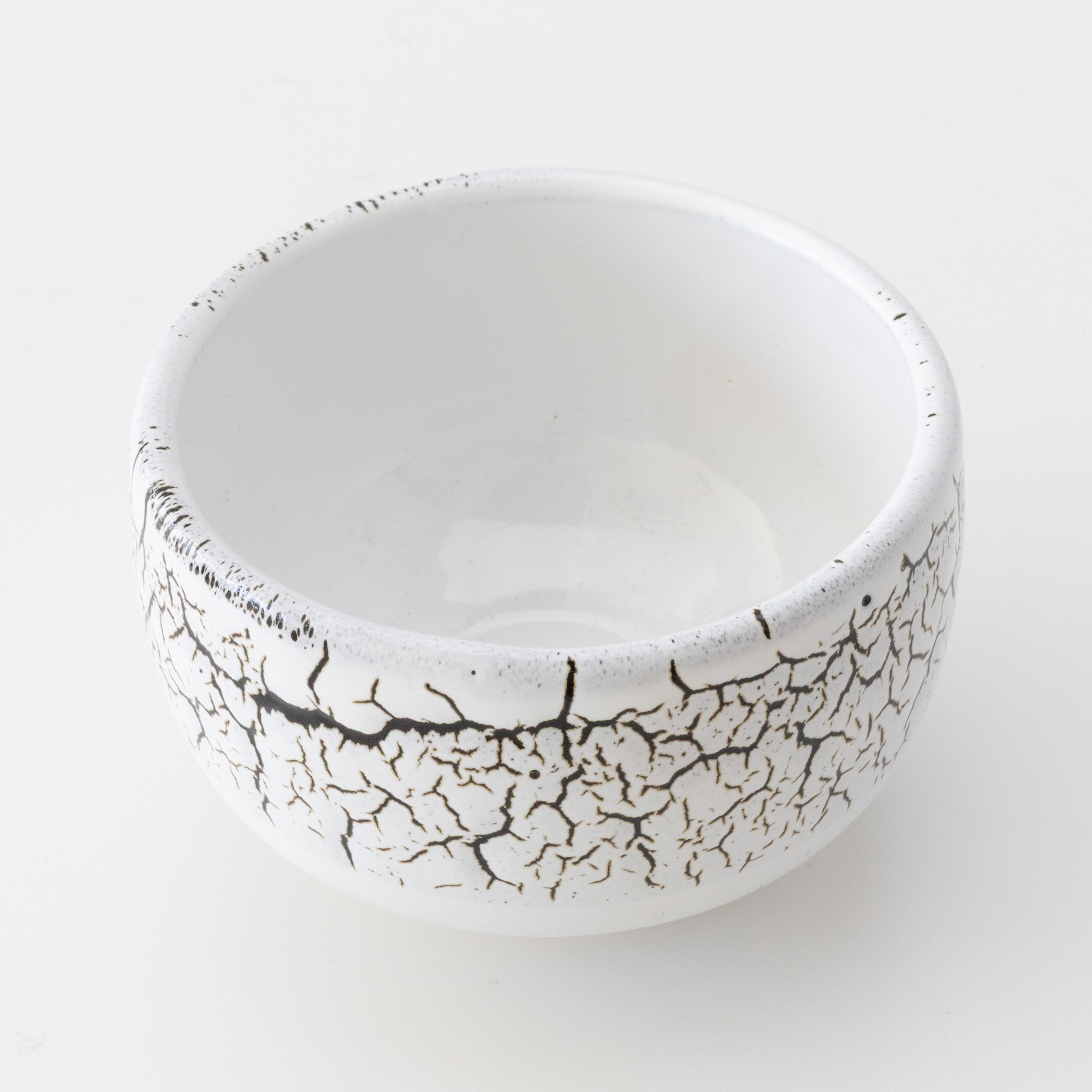
Ciotola da matcha Midorizumi bianca con motivo a cavillature verde scuro Ciotola da matcha Midorizumi bianca con motivo a cavillature verde scuro
-
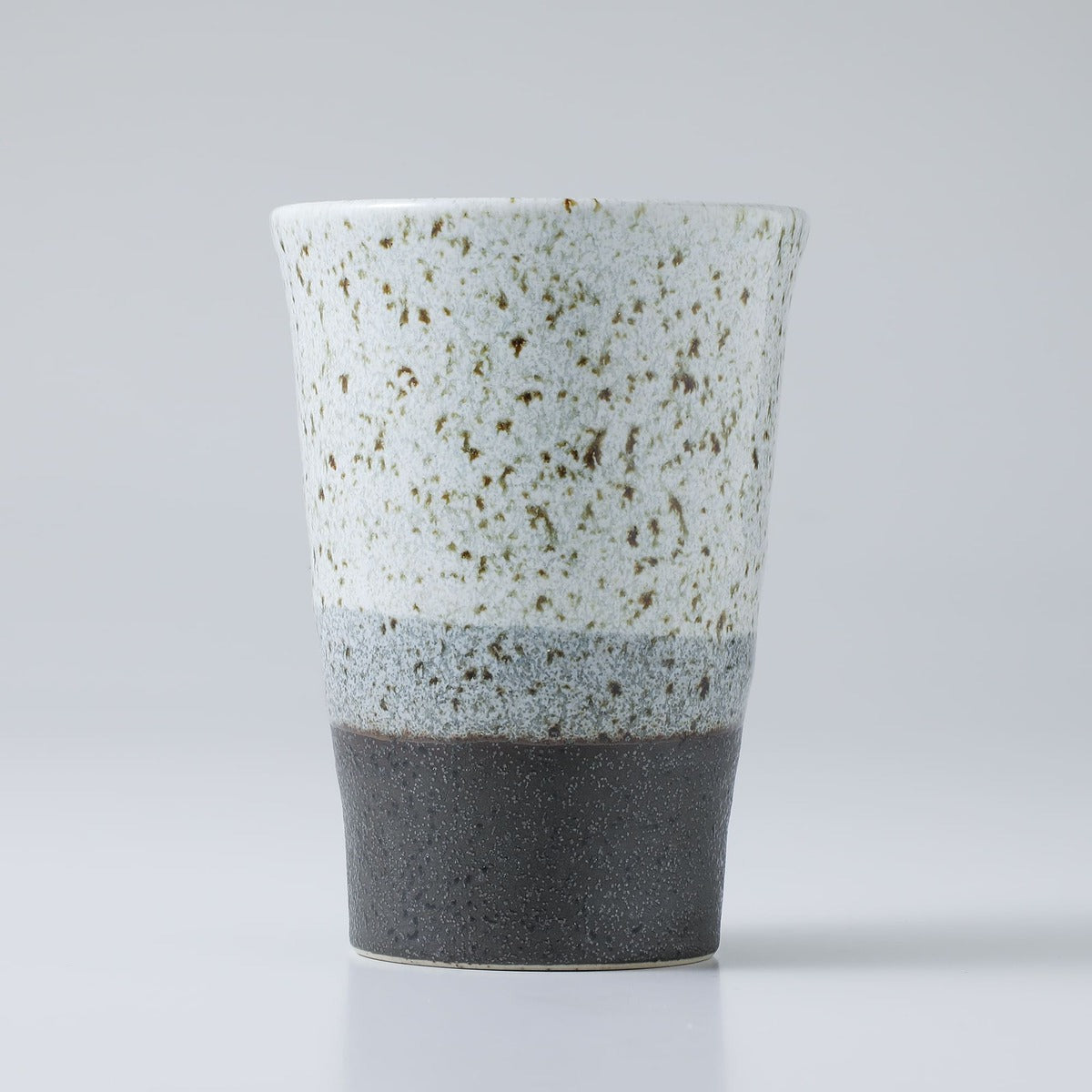
Tazza da tè in ceramica 310 ml, mug giapponese yunomi - bianco x grigio Tazza da tè in ceramica 310 ml, mug giapponese yunomi - bianco x grigio
-
Tazze da tè in ceramica smaltata dipinte a mano. Set da 2 in blu e bianco -
Ciotola da matcha Kurogane turchese con glassa Ciotola da matcha Kurogane turchese con glassa
-
Teiera kyusu giapponese tradizionale Asayu 280 ml Kurofuki Teiera kyusu giapponese tradizionale Asayu 280 ml Kurofuki
-
Tazza da tè in ceramica 310 ml, mug giapponese yunomi - nero x bianco Tazza da tè in ceramica 310 ml, mug giapponese yunomi - nero x bianco
-
Teiera kyusu giapponese tradizionale Asayu 350 ml Namakoyu Teiera kyusu giapponese tradizionale Asayu 350 ml Namakoyu
-
Ciotola da matcha Kurogane blu con glassa -
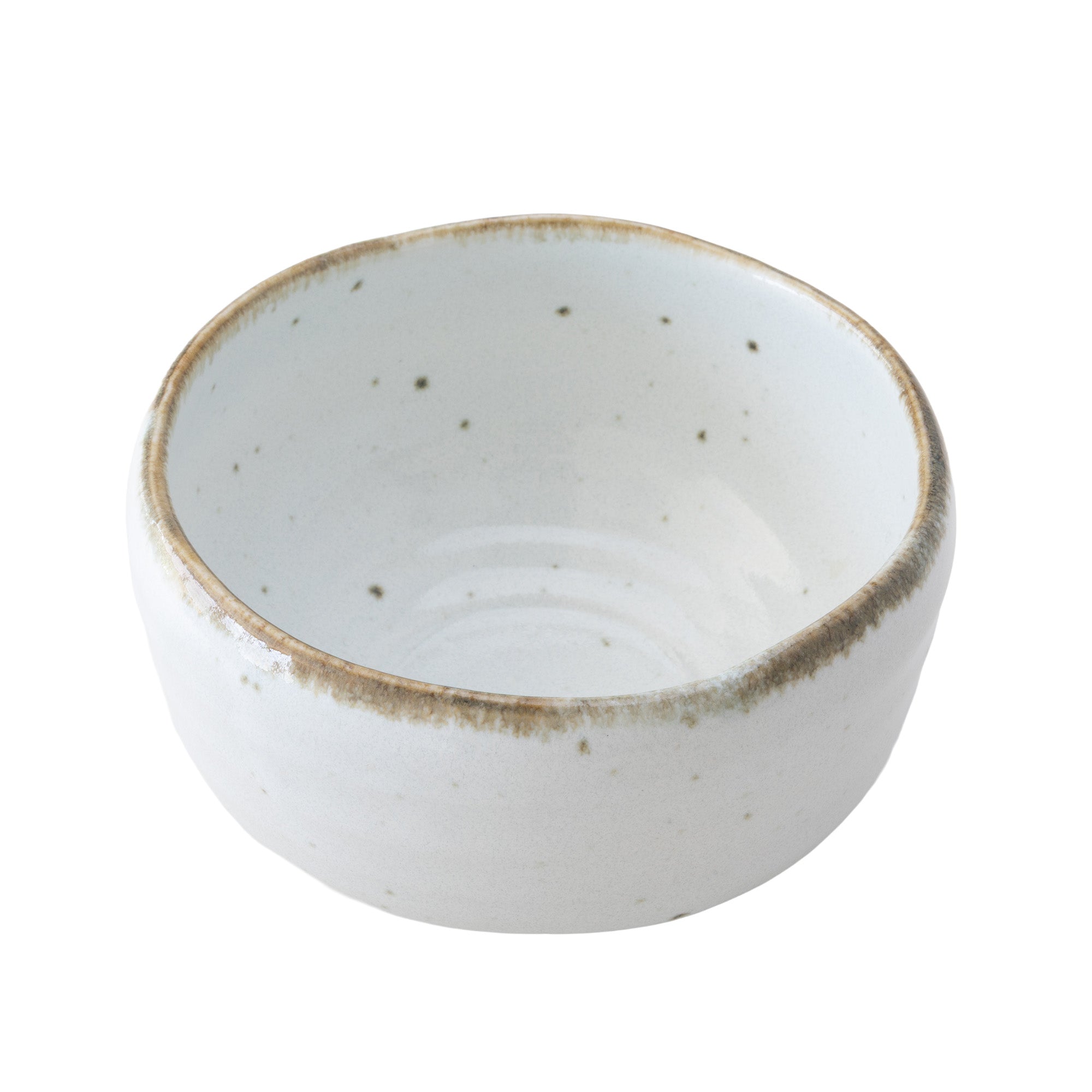
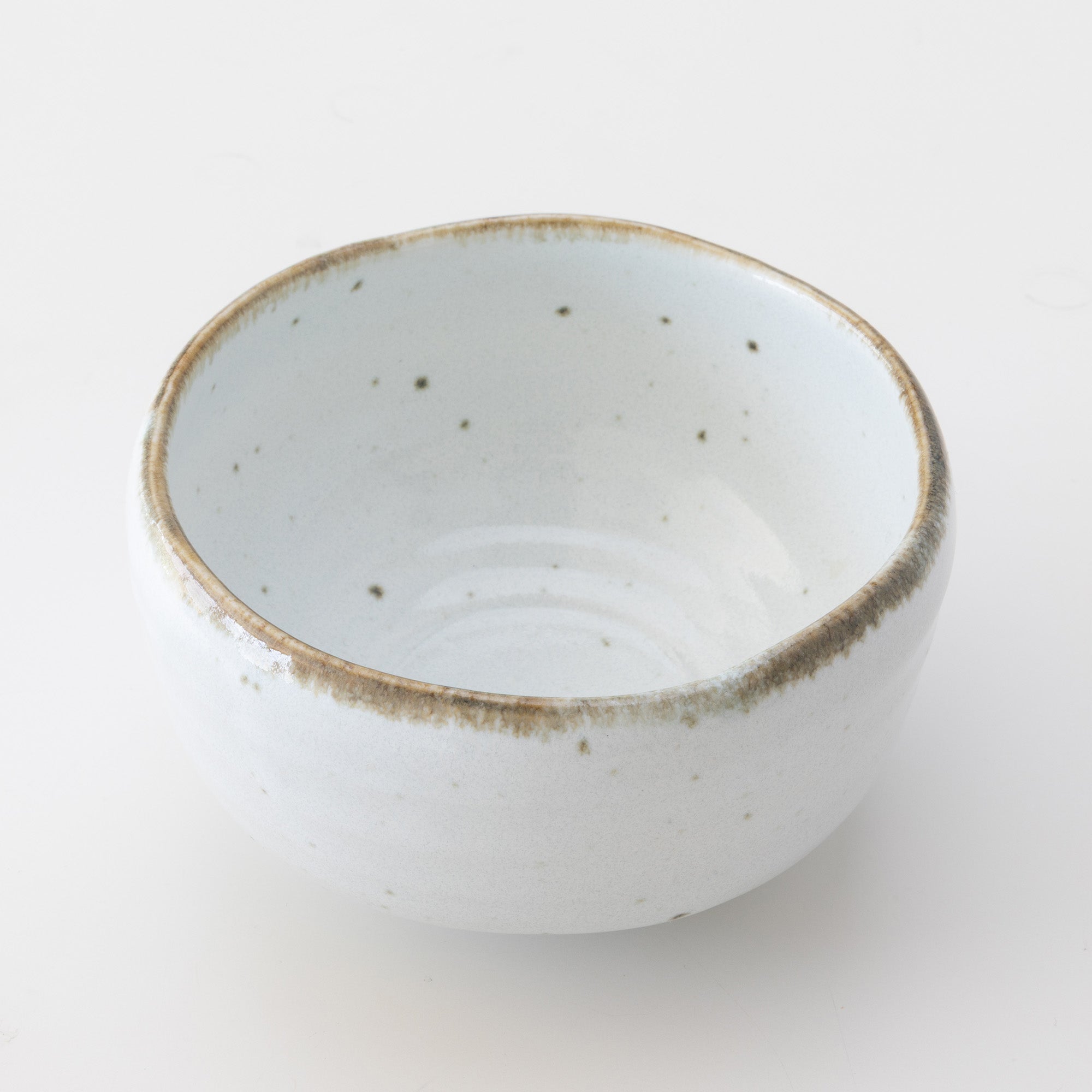
Ciotola da matcha Shirotsuchi bianca con bordo marrone & finitura screziata Ciotola da matcha Shirotsuchi bianca con bordo marrone & finitura screziata
-
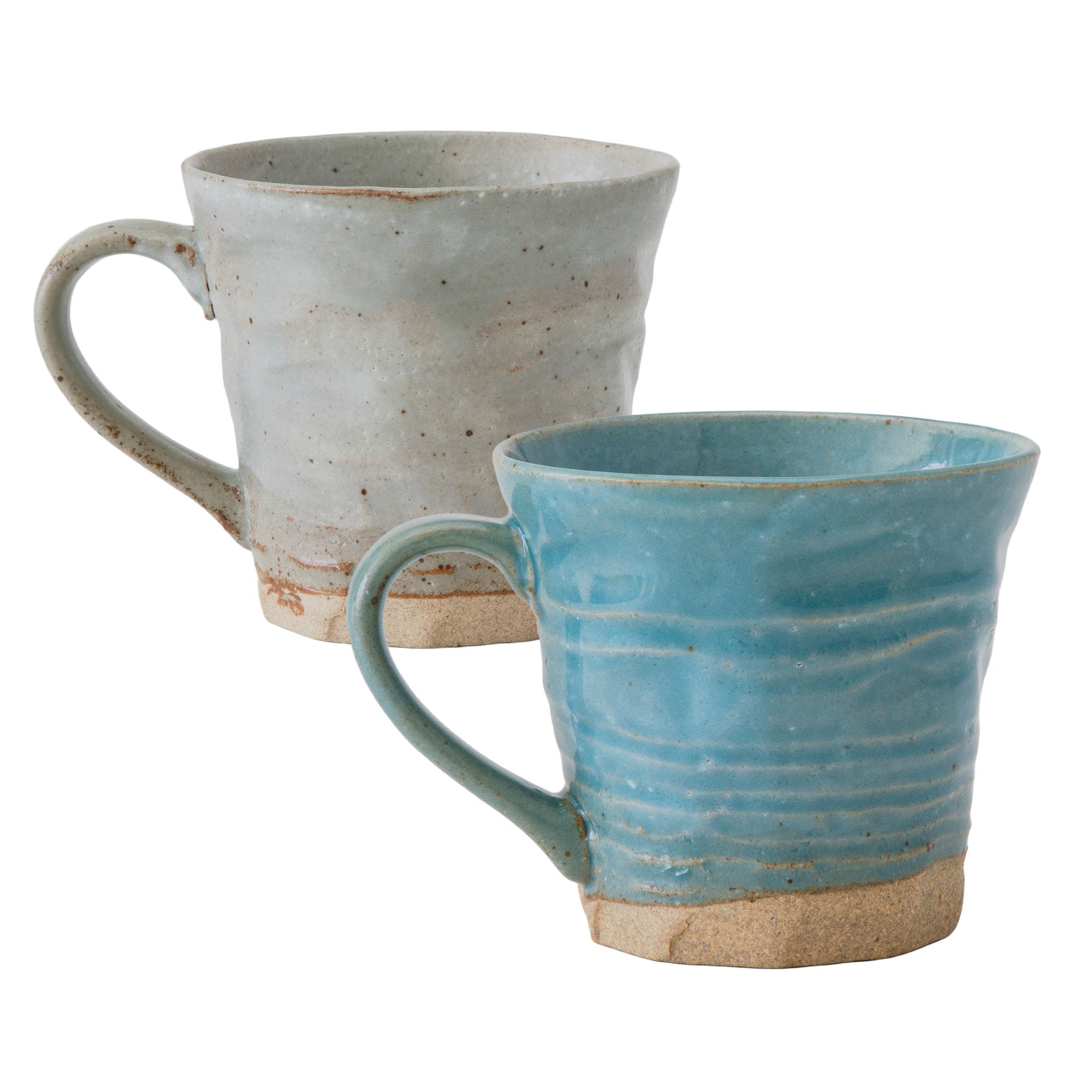
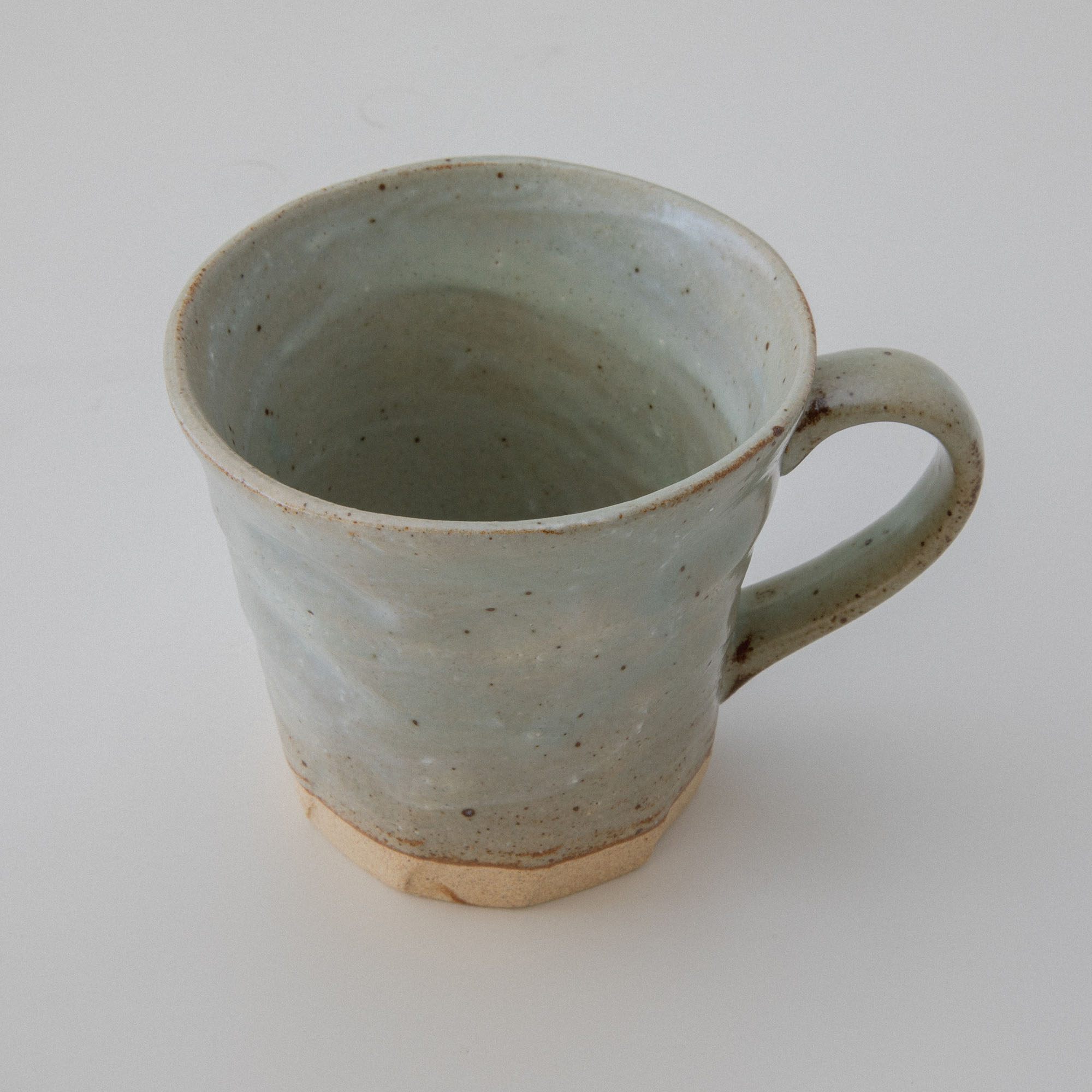
Set di tazze Tsuchimono rustico lavorate a mano blu e grigio Set di tazze Tsuchimono rustico lavorate a mano blu e grigio
-
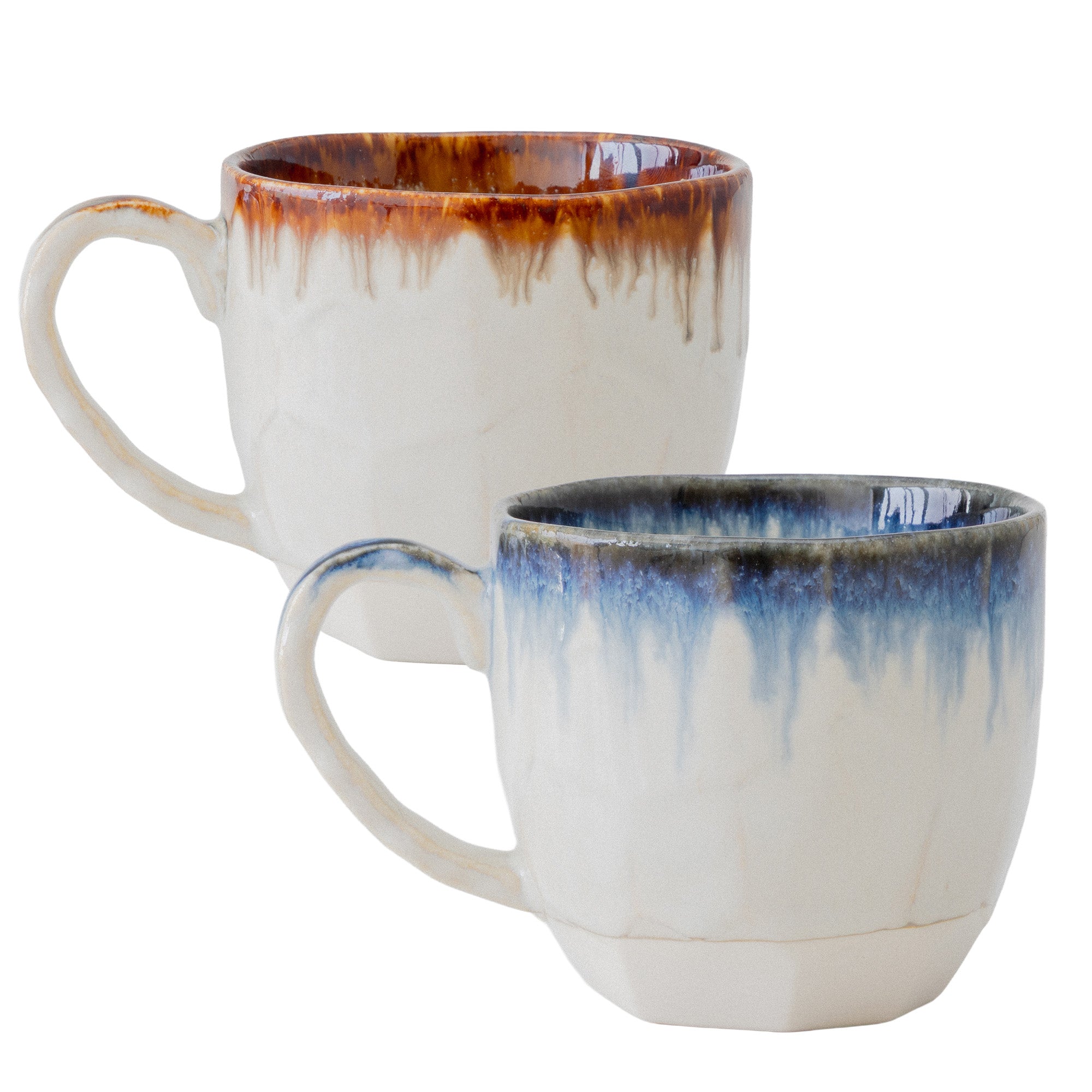
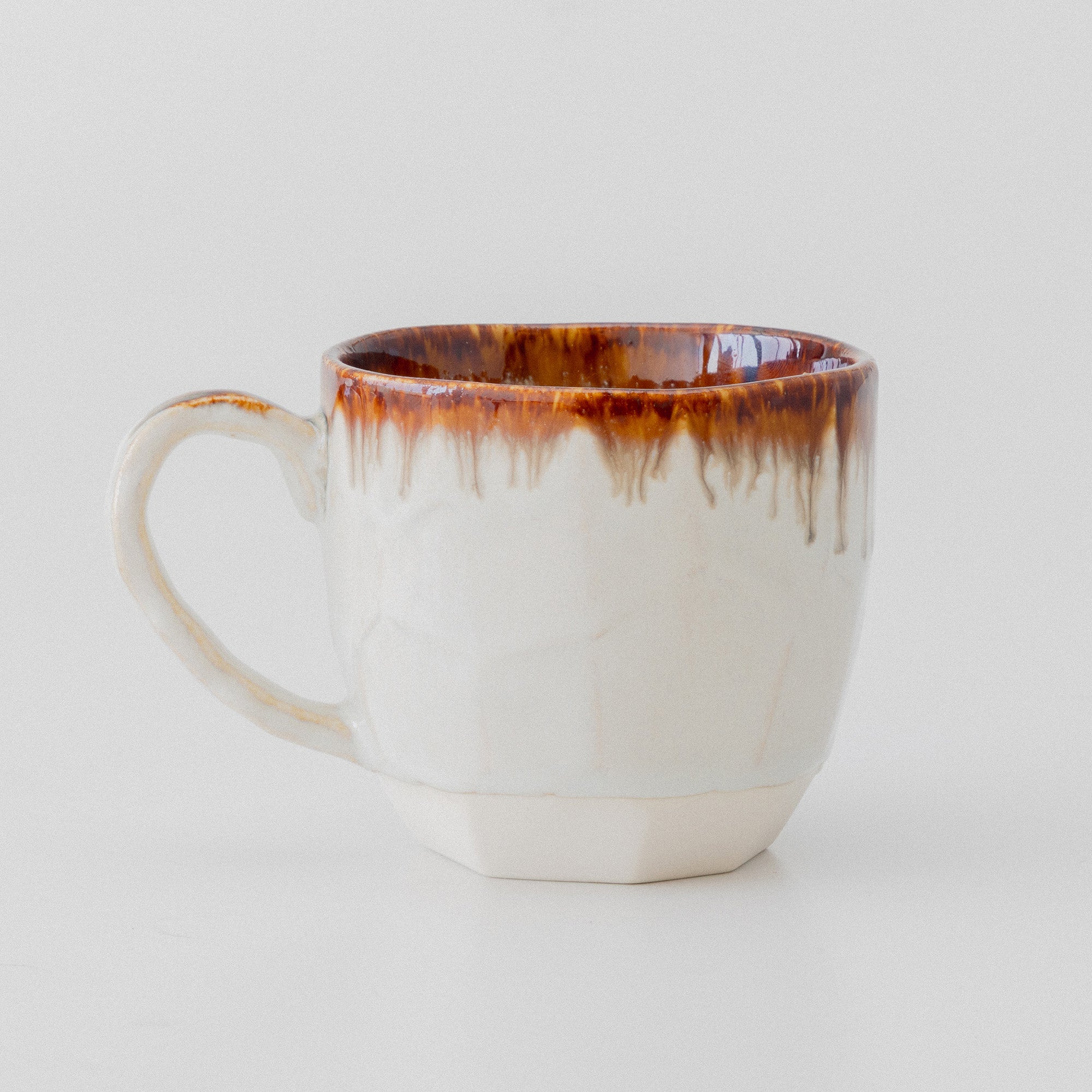
Set di tazze in ceramica Drip blu & marrone -
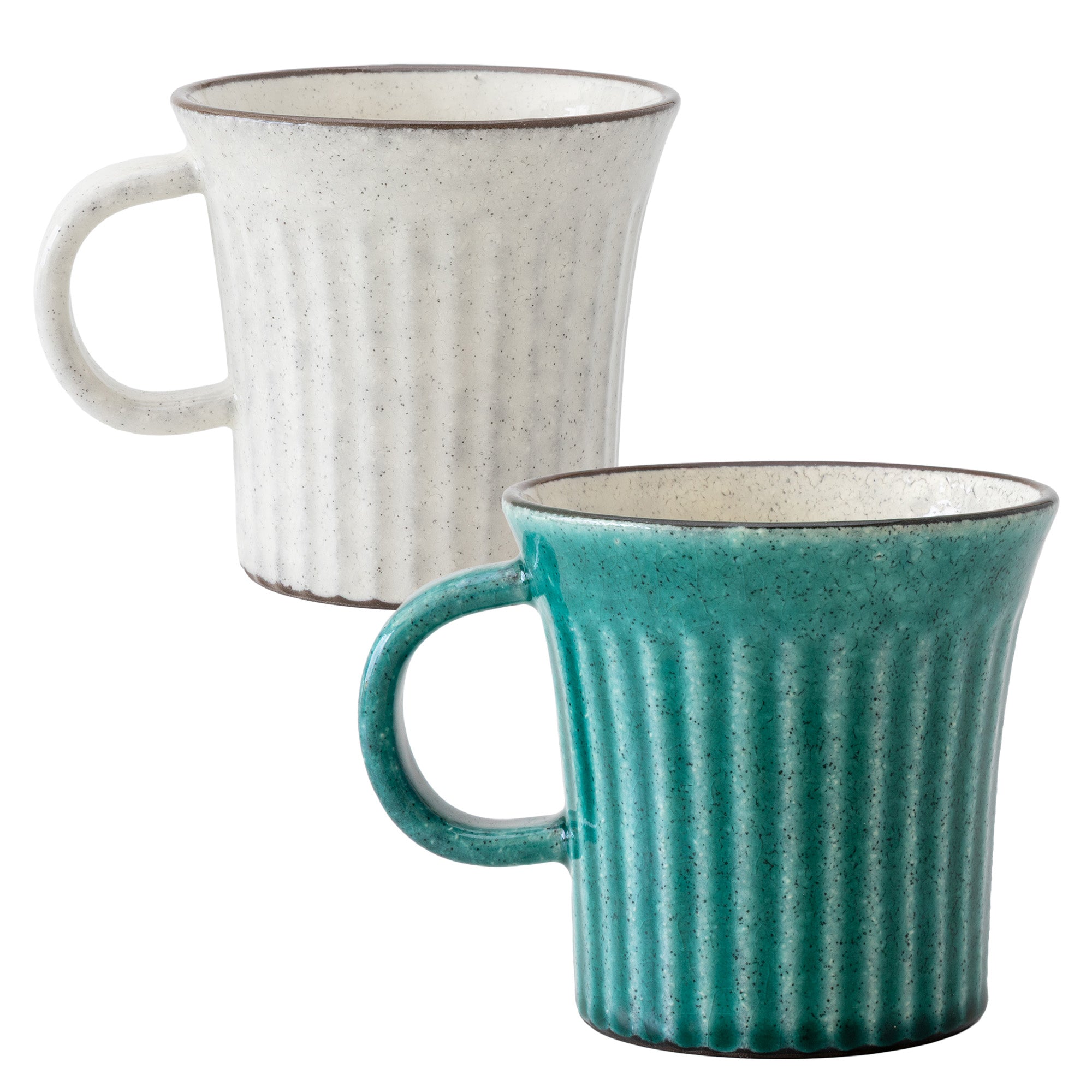
Set di tazze in ceramica Kairagi verde acqua & bianco, mug in gres lavorati a mano (set da 2) Set di tazze in ceramica Kairagi verde acqua & bianco, mug in gres lavorati a mano (set da 2)
-
Set matcha 4 pezzi: ciotola Mino smalto cristallo, frusta e cucchiaio in bambù, matcha Mt. Fuji 30 g Set matcha 4 pezzi: ciotola Mino smalto cristallo, frusta e cucchiaio in bambù, matcha Mt. Fuji 30 g








Domande frequenti
Che cos’è la ceramica Mino?
La ceramica Mino, o Mino-yaki, viene dalla zona di Toki, nella prefettura di Gifu, dove i forni sono in funzione da oltre 1.300 anni. È nota meno per uno stile fisso che per la varietà dei suoi smalti, ed è per questo che due pezzi della stessa serie possono apparire piuttosto diversi.
Posso metterli in lavastoviglie o nel microonde?
Dipende dal singolo pezzo, quindi controlla la pagina del prodotto che ti interessa. Consigliamo di lavare tutto a mano; coperchi, cucchiai e pestelli in legno vanno sempre lavati a mano e asciugati.
Perché il mio pezzo è un po’ diverso dalla foto?
Gli smalti sono applicati a mano e reagiscono in modo diverso nel forno, quindi colore, puntinature e craquelure variano da pezzo a pezzo. È normale per la ceramica Mino e non è un difetto.
Che misura di teiera scelgo?
280 ml bastano per una persona, da 350 a 360 ml per due, e 430 ml per tre, o per riempire di nuovo le tazze senza tornare al bollitore.
Che differenza c’è tra una ciotola da matcha e una tazza da tè?
La ciotola da matcha è larga e aperta, così il frullino di bambù si muove liberamente sul fondo. La tazza yunomi è alta e stretta, fatta per versare e bere, non per frullare.
Vendete il dripper e la tazza separatamente?
Sì. Ogni colore è disponibile come dripper singolo, tazza singola o entrambi insieme in un set per caffè filtro.