
What Is Matcha? Ceremonial Grade Matcha Explained
Matcha is green tea in powder form. Instead of steeping the leaves and throwing them away, you whisk the finely ground leaf into water and drink all of it. That is why matcha tastes richer, looks so green and is prepared so differently from other teas.
How matcha is made
Shading. For the last weeks before harvest, the tea plants are covered to block most of the sunlight. Shading slows their growth and leads the leaves to build up more chlorophyll and amino acids, which gives matcha its deep green color and its umami.
Harvest. The finest matcha uses the first harvest of the year, the young spring leaves.
Steaming and drying. The leaves are steamed to stop oxidation, then dried. The stems and veins are removed, leaving tencha, the raw material of matcha.
Stone grinding. The tencha is ground slowly between granite millstones into a powder finer than flour. Grinding slowly keeps the powder cool and smooth.
What does ceremonial grade mean?
There is no official grading system for matcha. Ceremonial grade is a common term for matcha good enough to drink with water alone, as in the Japanese tea ceremony. It usually means young first harvest leaves, a fine grind, a bright green color and a smooth, sweet taste with little bitterness.
Lower grades, often sold as culinary matcha, come from later harvests. They are more astringent and duller in color, and are meant for baking, cooking and sweetened drinks.
How to recognize a good matcha
- Color: a vivid, fresh green, not yellowish or brown.
- Texture: very fine and silky between the fingers.
- Aroma: fresh and slightly sweet, like young grass.
- Taste: rich umami and natural sweetness, with only a light bitterness.
- Origin: a clear origin in Japan, such as Shizuoka, Kagoshima, Uji or Nishio.
Where Asayu matcha comes from
Our Mt Fuji organic matcha is single-source, grown at the foot of Mt Fuji in Shizuoka and certified organic under Japan's JAS standard. Our ceremonial grade matcha blends first harvest leaves from Shizuoka, Kagoshima and other regions. Both are stone-ground, and at our Kyoto store we serve them whisked in the bowl and as hot and iced lattes.
How to drink matcha
Whisk 1 to 2 g with 70 ml of water at 70 to 80°C for a traditional bowl, or add milk for a latte. Our guide How to make matcha covers the traditional method and hot and iced lattes, and Does matcha have caffeine? explains how it compares with coffee.
How to store matcha
Matcha is sensitive to air, light, heat and moisture. Keep it sealed in its tin or pouch in a cool, dark place, and use it within a few weeks of opening. You can keep unopened matcha in the fridge, but let it come back to room temperature before opening so no moisture forms inside.
Browse the full matcha collection, or start with one of our matcha sets.
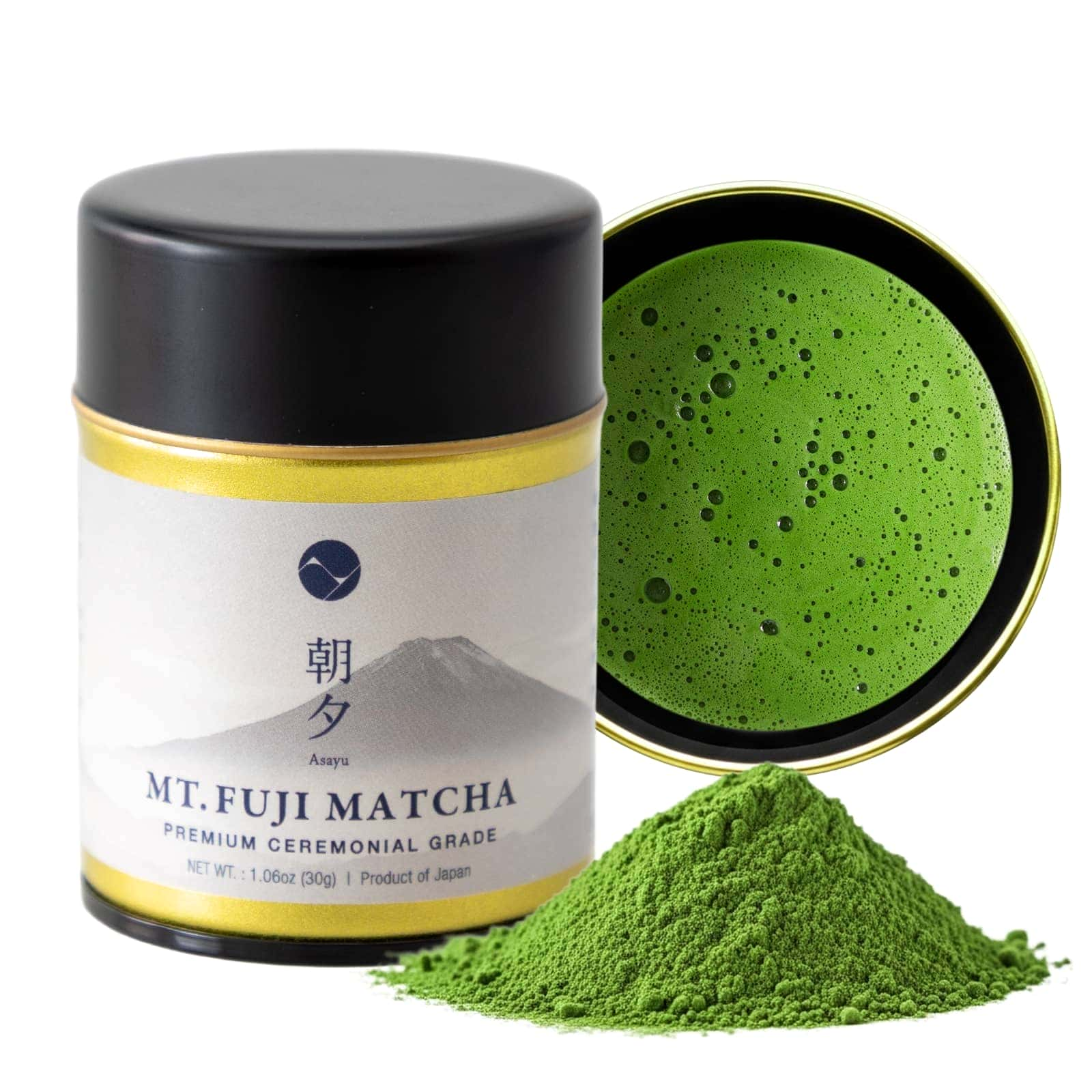
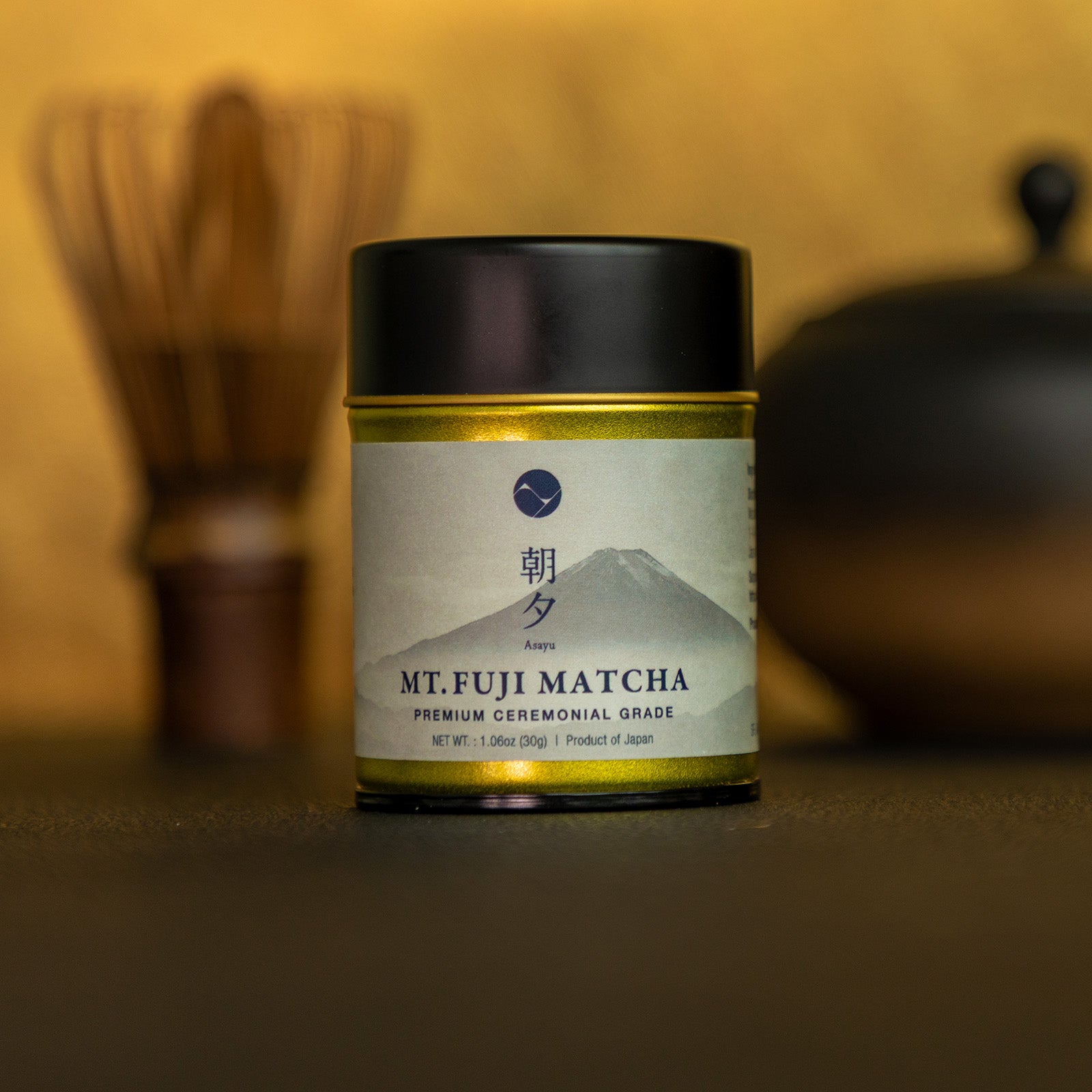
Mt Fuji Organic Premium Ceremonial Grade Matcha Powder 30g
Mt Fuji Organic Premium Ceremonial Grade Matcha Powder 30g
$24.99 USD
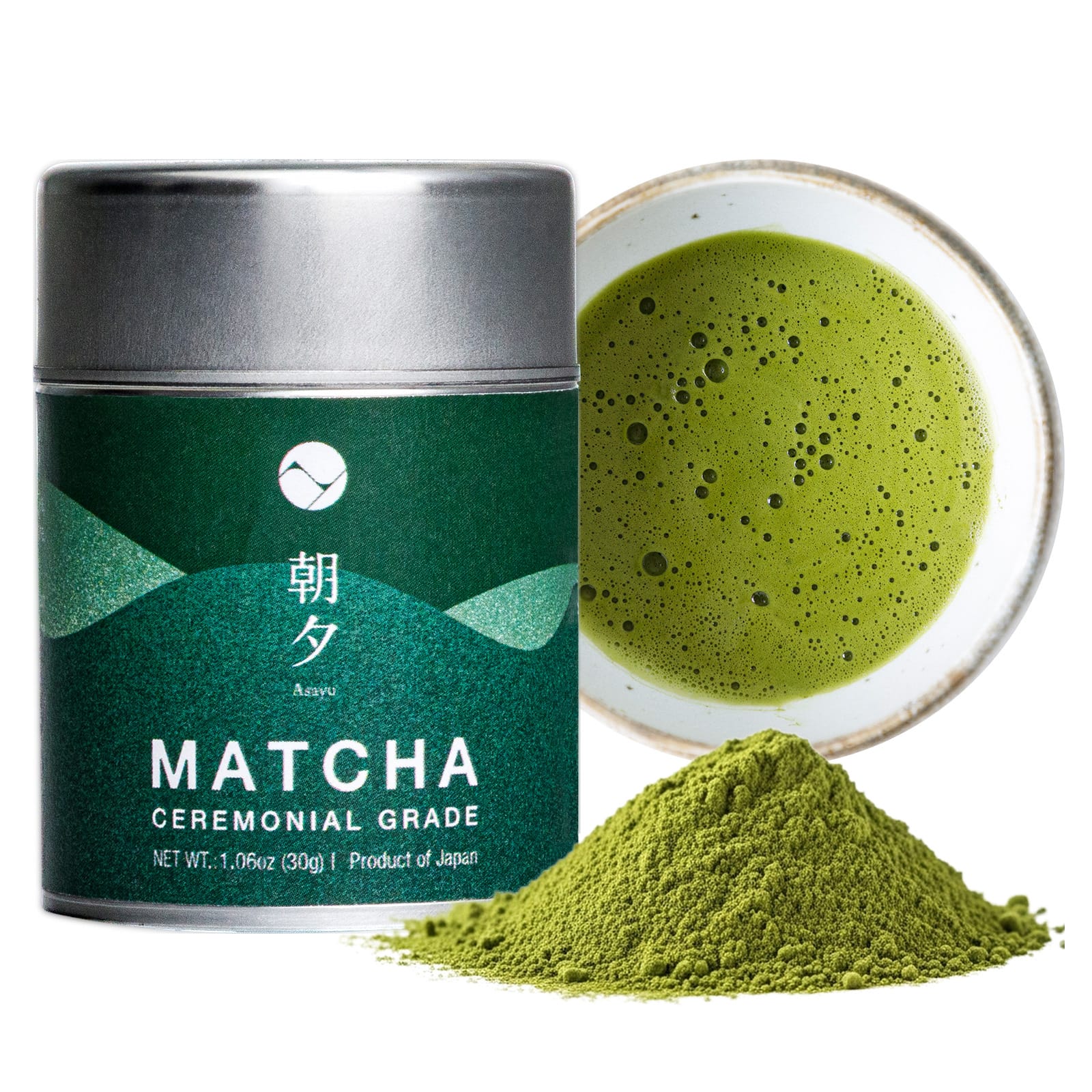
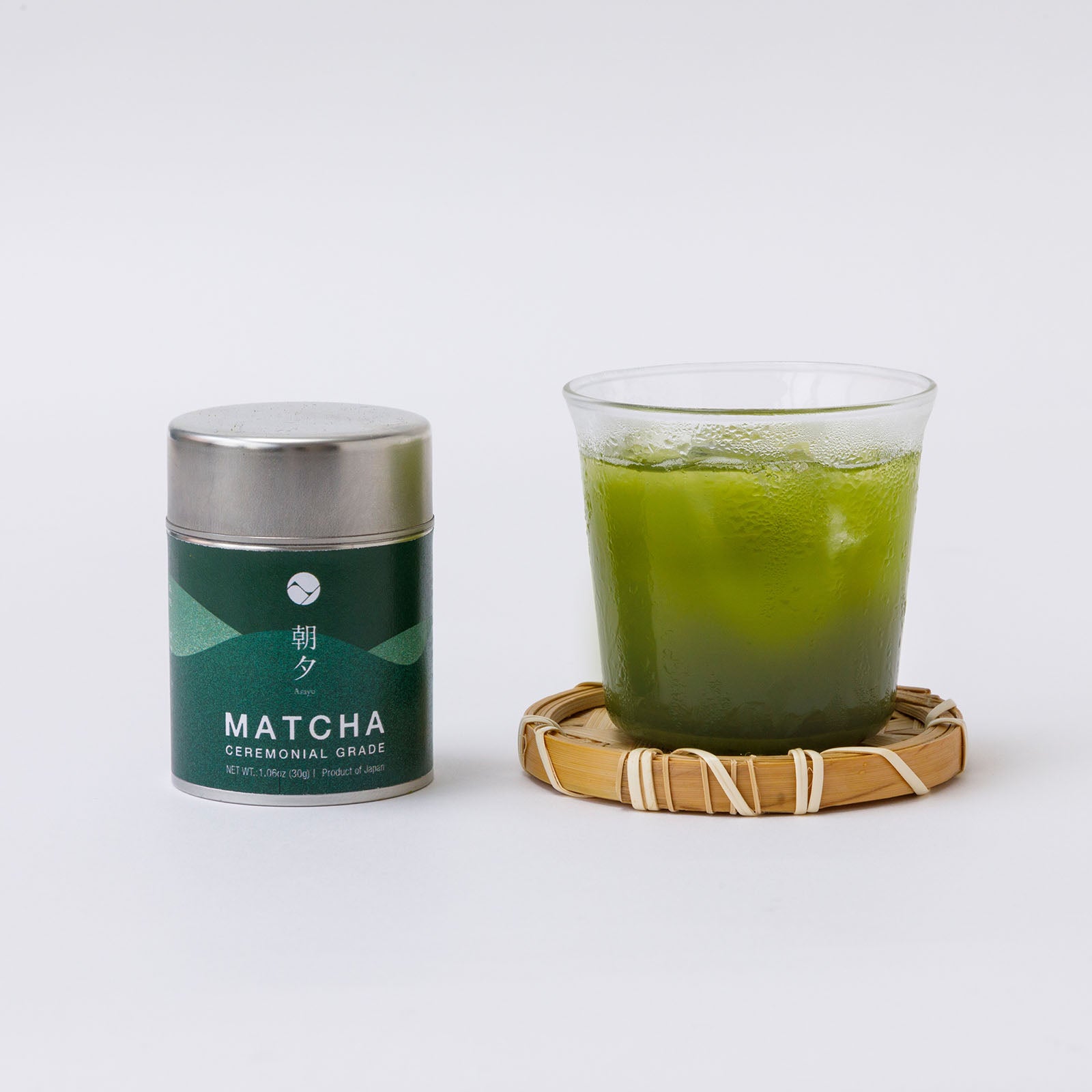
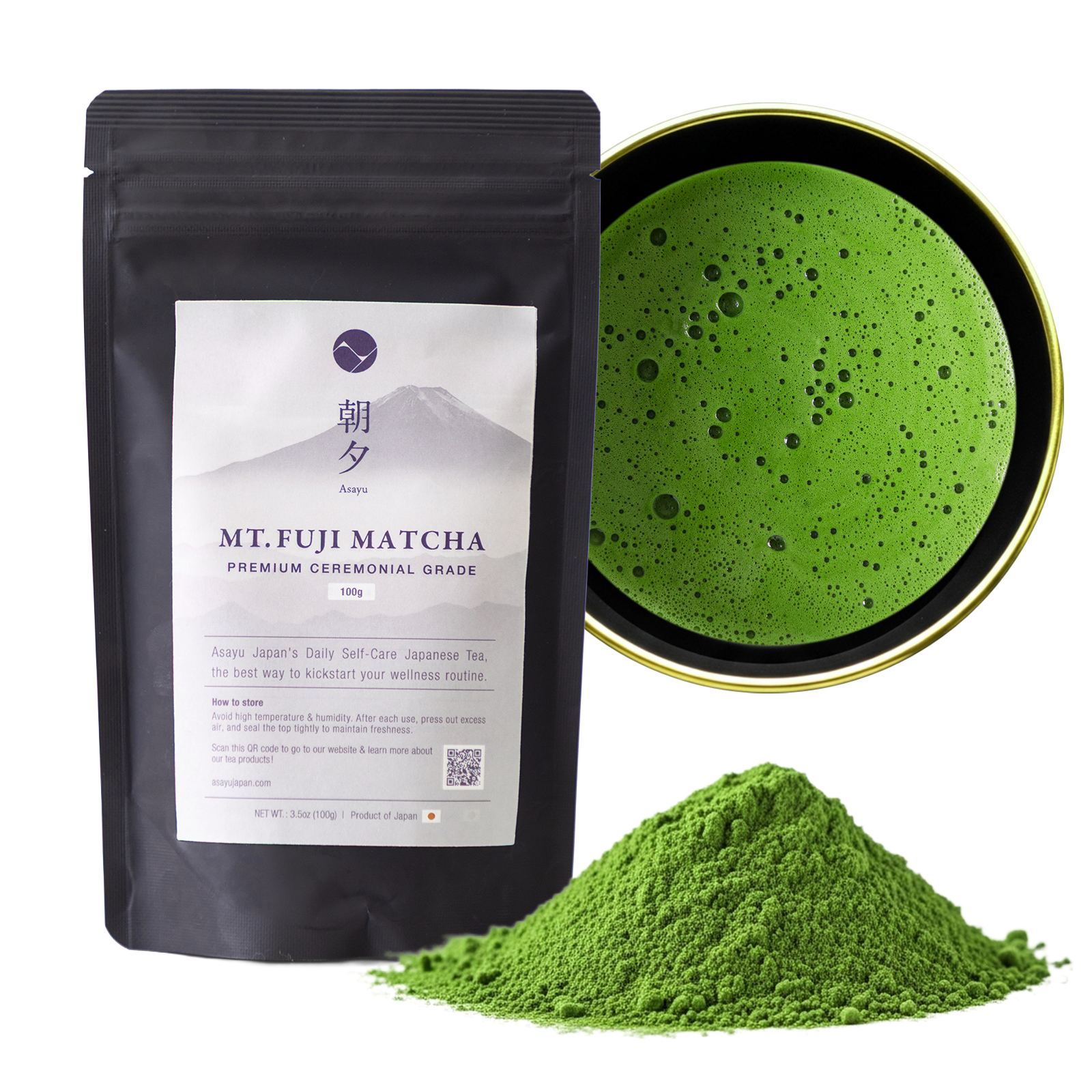
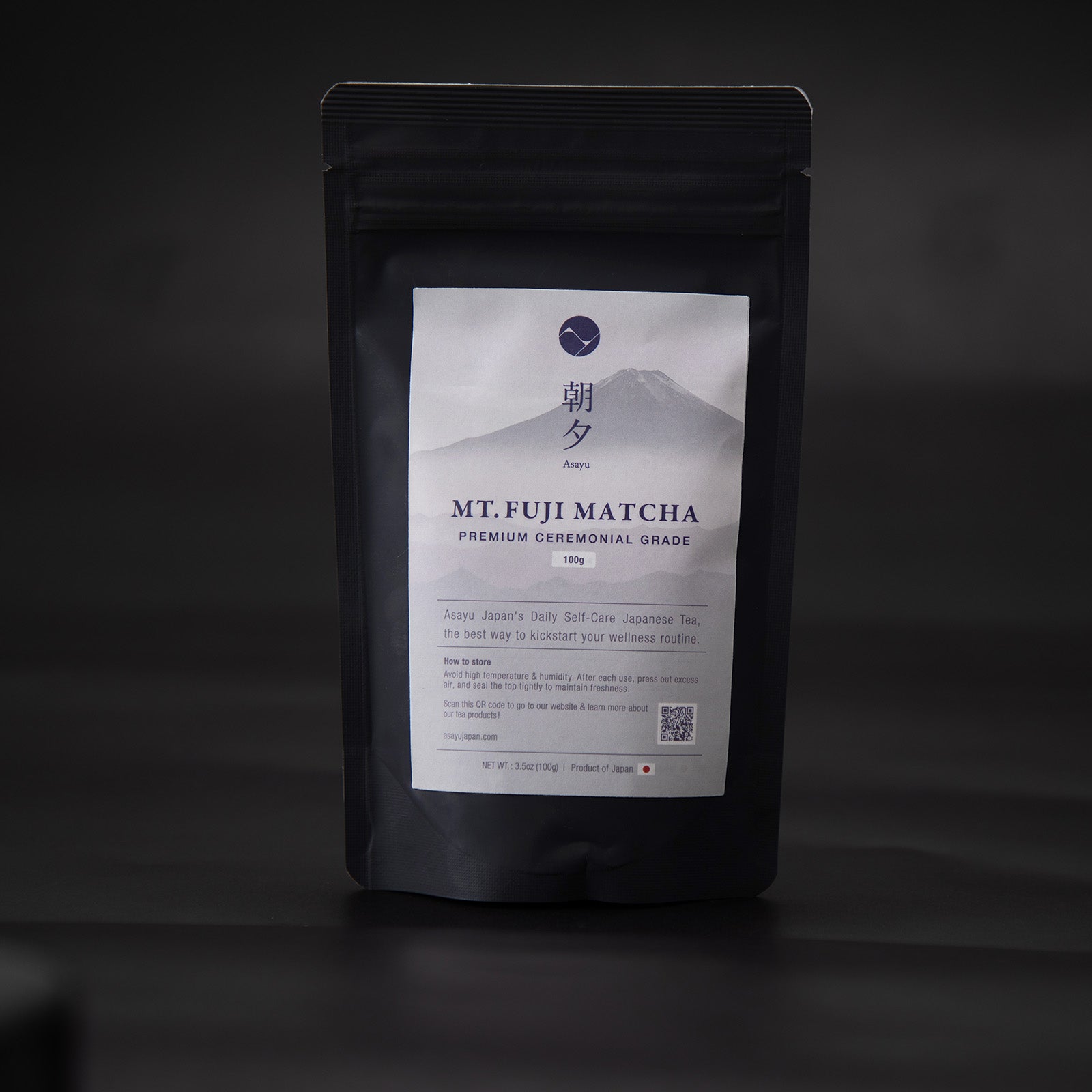
Mt Fuji Organic Premium Ceremonial Grade Matcha Powder 100g
Mt Fuji Organic Premium Ceremonial Grade Matcha Powder 100g
$39.99 USD
Our Newsletter
Mt Fuji Organic Premium Ceremonial Grade Matcha Powder 30g
Mt Fuji Organic Premium Ceremonial Grade Matcha Powder 30g
$24.99 USD
Mt Fuji Organic Premium Ceremonial Grade Matcha Powder 100g
Mt Fuji Organic Premium Ceremonial Grade Matcha Powder 100g
$39.99 USD



0 comments