
Japanese Teapots (Kyusu)
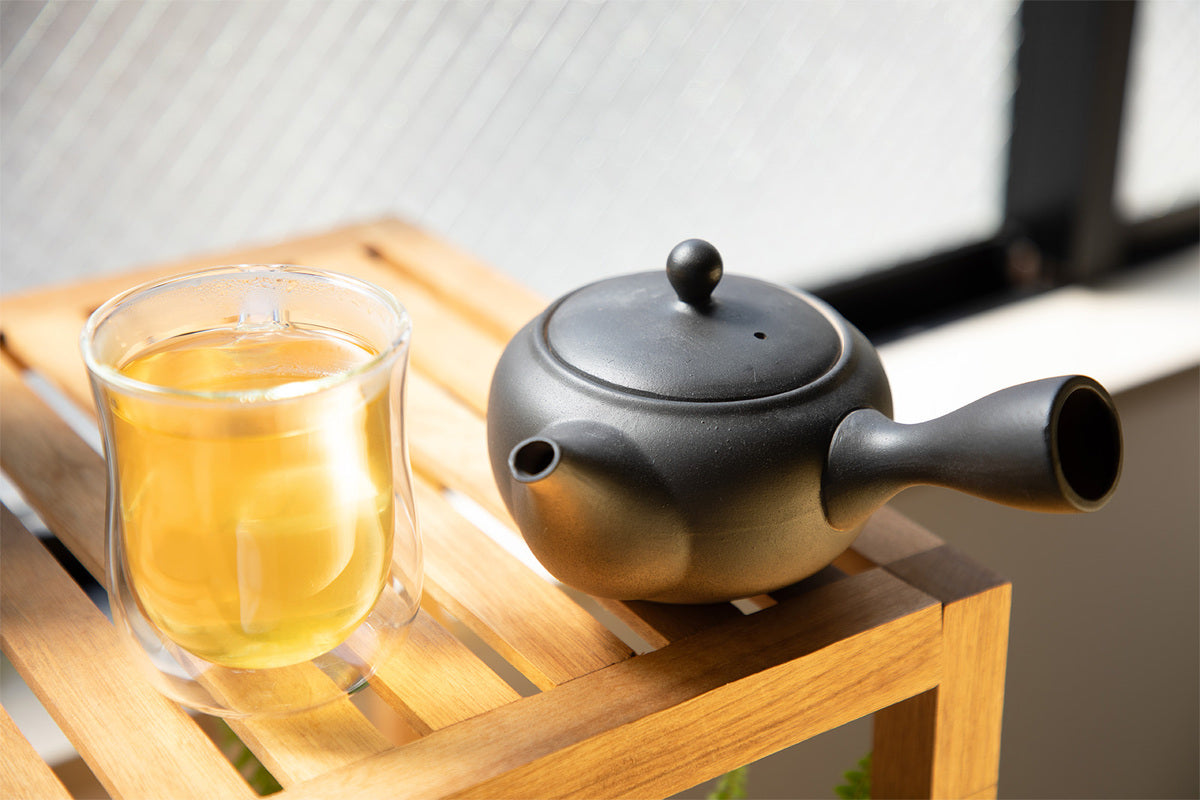
A kyusu is the side-handled Japanese teapot, and it exists because of how Japanese tea is brewed: short steeps, low water temperatures, and a mesh fine enough to hold back sencha leaves without clogging.
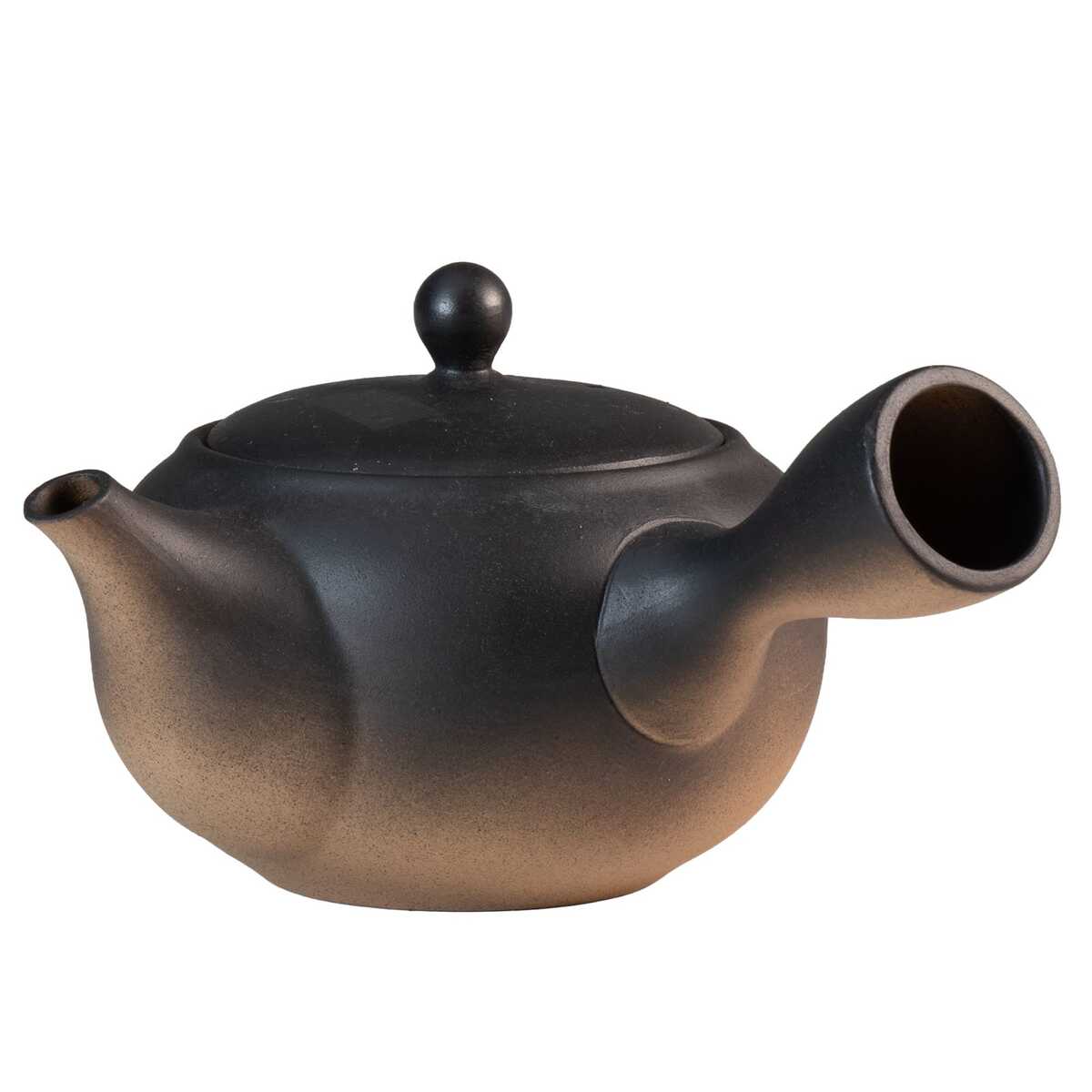
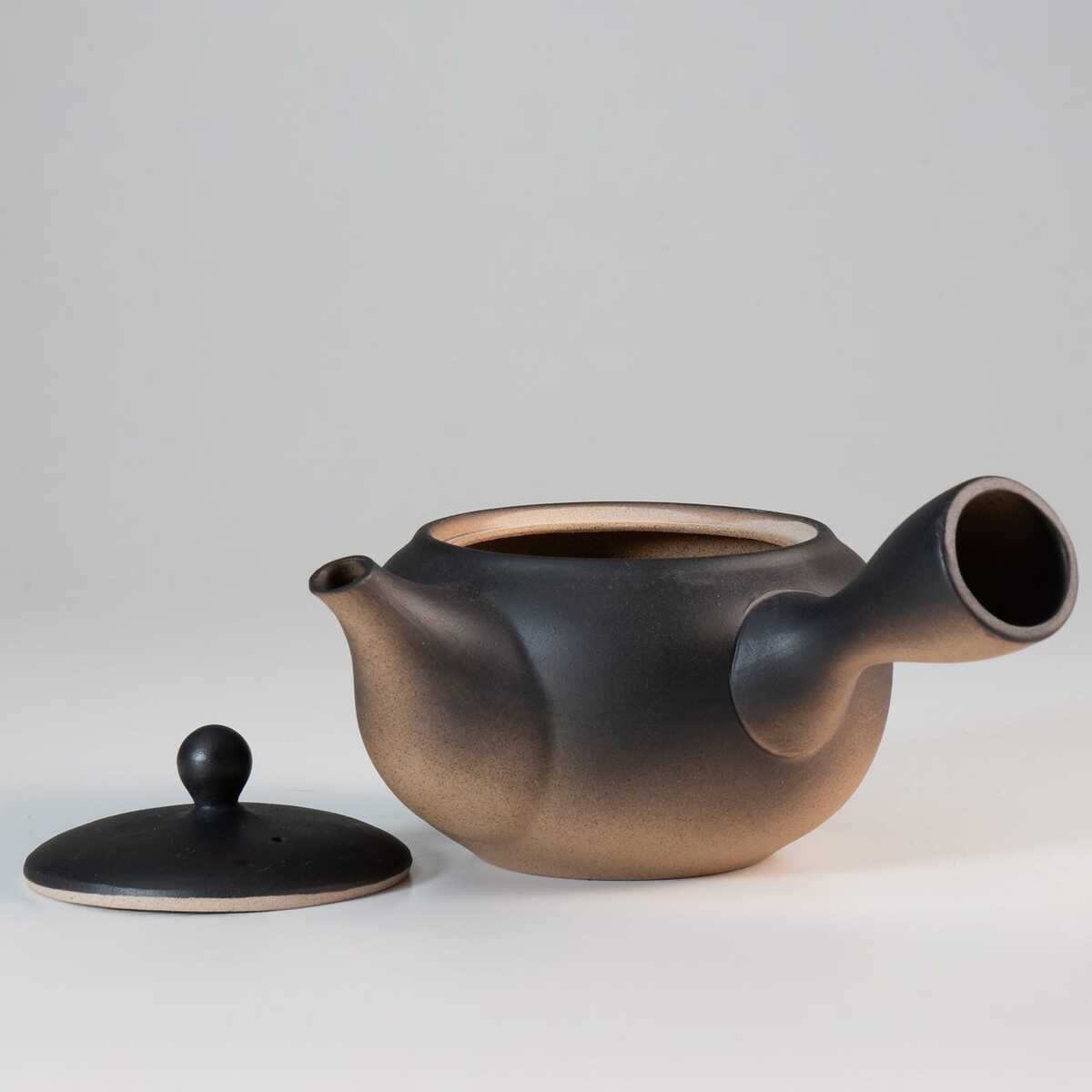
Five pots, all made in Japan. The 430ml black finish is the everyday size for two or three cups. The 360ml pots come in three glazes, namakoyu, midoriyu and tobikanna, the last finished with the chatter-mark tooling the name describes. The 280ml kurofuki is the one for gyokuro, where you want a small amount of concentrated tea.
Treat them as you would any thrown ceramic and avoid sudden changes in temperature.
Filters
5 items
Sort Featured
-
Asayu Traditional Japanese Kyusu Teapot 430ml - Black Finish Asayu Traditional Japanese Kyusu Teapot 430ml - Black Finish
-
Asayu Traditional Japanese Kyusu Teapot 350ml Namakoyu Asayu Traditional Japanese Kyusu Teapot 350ml Namakoyu
-
Asayu Traditional Japanese Kyusu Teapot 360ml Midoriyu Asayu Traditional Japanese Kyusu Teapot 360ml Midoriyu
-
Asayu Traditional Japanese Kyusu Teapot 280ml Kurofuki Asayu Traditional Japanese Kyusu Teapot 280ml Kurofuki
-
Asayu Traditional Japanese Kyusu Teapot 360ml Tobikanna Asayu Traditional Japanese Kyusu Teapot 360ml Tobikanna


Frequently asked questions
Which size should I choose?
Japanese green tea is brewed in small amounts and served in small cups. A pot of around 280 ml suits one or two people, 350 to 360 ml makes two or three small cups, and the 430 ml pot is for sharing with one or two others or filling a larger mug.
Do I need a separate strainer?
No. Every teapot in this collection has a built-in mesh filter inside the pot, fine enough to hold back small sencha leaves, so you can brew loose-leaf tea directly in it.
Why is the handle on the side?
The side handle (yokode) lets you pour with one hand while holding the lid with a finger, and tip the pot all the way over. Japanese green tea is poured out to the last drop, so the leaves do not keep steeping before the next infusion.
Which teas can I brew in a kyusu?
A kyusu is made for Japanese loose-leaf tea such as sencha, gyokuro, kukicha, genmaicha and hojicha. Browse our Japanese green teas to go with it.
How do I care for my teapot?
Empty the leaves after each use, rinse with warm water and let the pot dry with the lid off. Wash by hand; with unglazed clay, avoid detergent if you can. Avoid sudden changes in temperature, such as pouring boiling water into a cold pot.
Where are the teapots made?
All five teapots are made in Japan.
For more detail, read our guide How to Choose a Japanese Teapot (Kyusu).