


The Story Behind Asayu's New Home in Kyoto

Some places seem destined to keep telling stories.
Nestled in the heart of Kyoto, our new Asayu Shop & Cafe stands inside a century-old machiya, a traditional wooden townhouse that has quietly witnessed generations of craftsmanship, changing seasons, and everyday life. Before welcoming guests for matcha and tea, these walls carried a very different legacy.
For nearly one hundred years, this building was home to Zeniya Tabi, a respected maker of traditional Japanese tabi, the split-toe socks worn with kimono. The family lived and worked here, preserving a craft that slowly became rarer as Kyoto evolved. When they eventually retired, the house had aged with them. Its wooden beams, sliding glass doors, and quiet rooms remained, patiently waiting for a new chapter.
Rather than replacing its history, the building was given a second life.

A House Reborn
Around six years ago, renowned kimono dresser Teruno Miyake undertook an ambitious restoration of the entire property. Known for dressing some of Japan's most celebrated figures as well as international artists such as Madonna, she invested nearly 30 million yen into restoring both floors with extraordinary attention to detail.
The renovation preserved the spirit of the original machiya while bringing back its elegance. Traditional tatami rooms, handcrafted latticework, movable antique glass partitions, and delicate architectural details were carefully maintained, allowing the building to breathe again.
Ironically, the restoration was completed just before the pandemic.
The salon was never truly able to flourish. For years, this beautifully restored space remained almost untouched, quietly preserved in time. Today, Asayu has the privilege of continuing the story that unexpectedly paused.

The Center of Kyoto
There is another reason this place feels special.
Our new home is located in Rokkaku-cho, an area affectionately known as "Kyoto no Heso", the navel of Kyoto.
Long before Kyoto became Japan's imperial capital, Prince Shotoku founded nearby Rokkaku-do Temple, making this neighborhood one of the city's oldest historical centers. In many ways, Kyoto grew outward from here.
Standing outside the café, you are quite literally standing where centuries of Kyoto's history began.
It is a quiet detail that many visitors pass without noticing, yet it gives the neighborhood a remarkable sense of permanence.
A Street That Comes Alive Once a Year
Every July, the atmosphere changes entirely.
The street directly in front of the café becomes one of the main routes of the Gion Festival, one of Japan's oldest and most celebrated festivals.
Massive handcrafted floats slowly pass only a few meters from our entrance, accompanied by traditional music, centuries-old rituals, and thousands of visitors.
Behind the festival lies another remarkable story.
The local neighborhood association carefully protects two extraordinarily rare Persian carpet medallions, woven in the 16th century and incorporated into the festival floats generations ago. Only three examples of these historic textiles are believed to survive worldwide.
They are a reminder that Kyoto's heritage has always been shaped not only by Japan, but also by centuries of cultural exchange.

Water With a History
Just a few doors from the café lies Yanagi no Mizu, one of Japan's most celebrated historic wells.
For tea lovers, this name carries special meaning.
Legendary tea master Sen no Rikyu, whose philosophy transformed the Japanese tea ceremony, is said to have favored this very water. Even today, it remains part of the neighborhood's living heritage.
For us, preparing matcha in this historic setting feels especially meaningful. Every bowl becomes connected not only to carefully grown tea leaves, but also to the place itself.

A Living Building
Although Asayu now welcomes guests during the day, the building continues to evolve after sunset.
In the evening, it transforms into mononoma, an intimate speakeasy bar. Rather than dividing the space, the two concepts respectfully share it, allowing the building to remain active from morning until night.
This rhythm reflects something deeply Japanese: preserving a place by allowing it to continue being lived in.
Instead of becoming a museum frozen in time, the machiya continues to collect new memories every day.
A New Chapter
When we first stepped into this house, it never felt like an empty building.
It felt like a place that had simply been waiting.
The wooden floors still creak softly beneath your feet. Afternoon light still filters through the original glass windows. The quiet atmosphere that has defined this address for generations remains unchanged.
Asayu is simply becoming one more chapter in a much longer story.
We hope that when you visit, you'll not only enjoy a bowl of matcha, but also take a moment to appreciate the remarkable history that surrounds it.
Some places are built.
Others are inherited.
We are grateful to be part of this one.
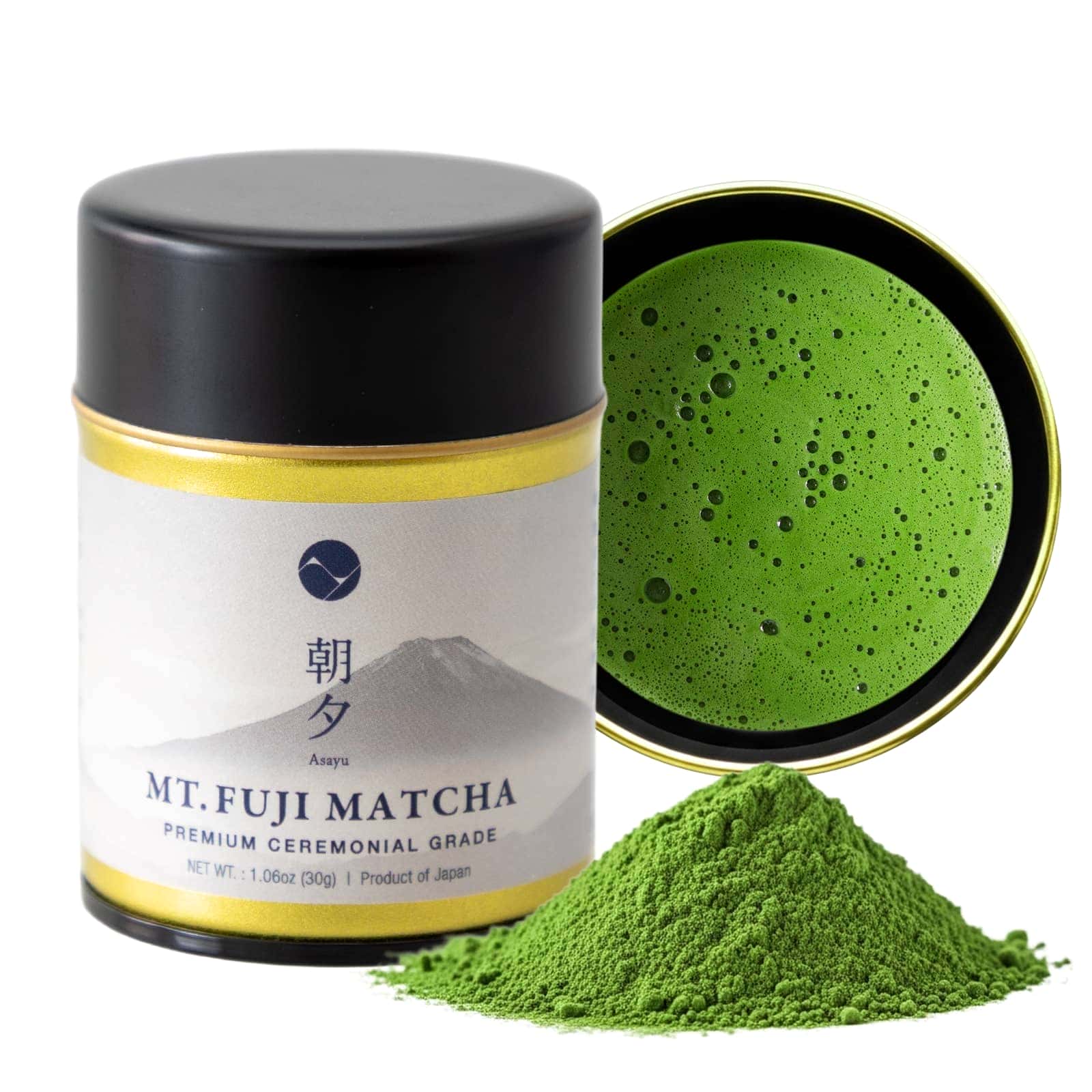
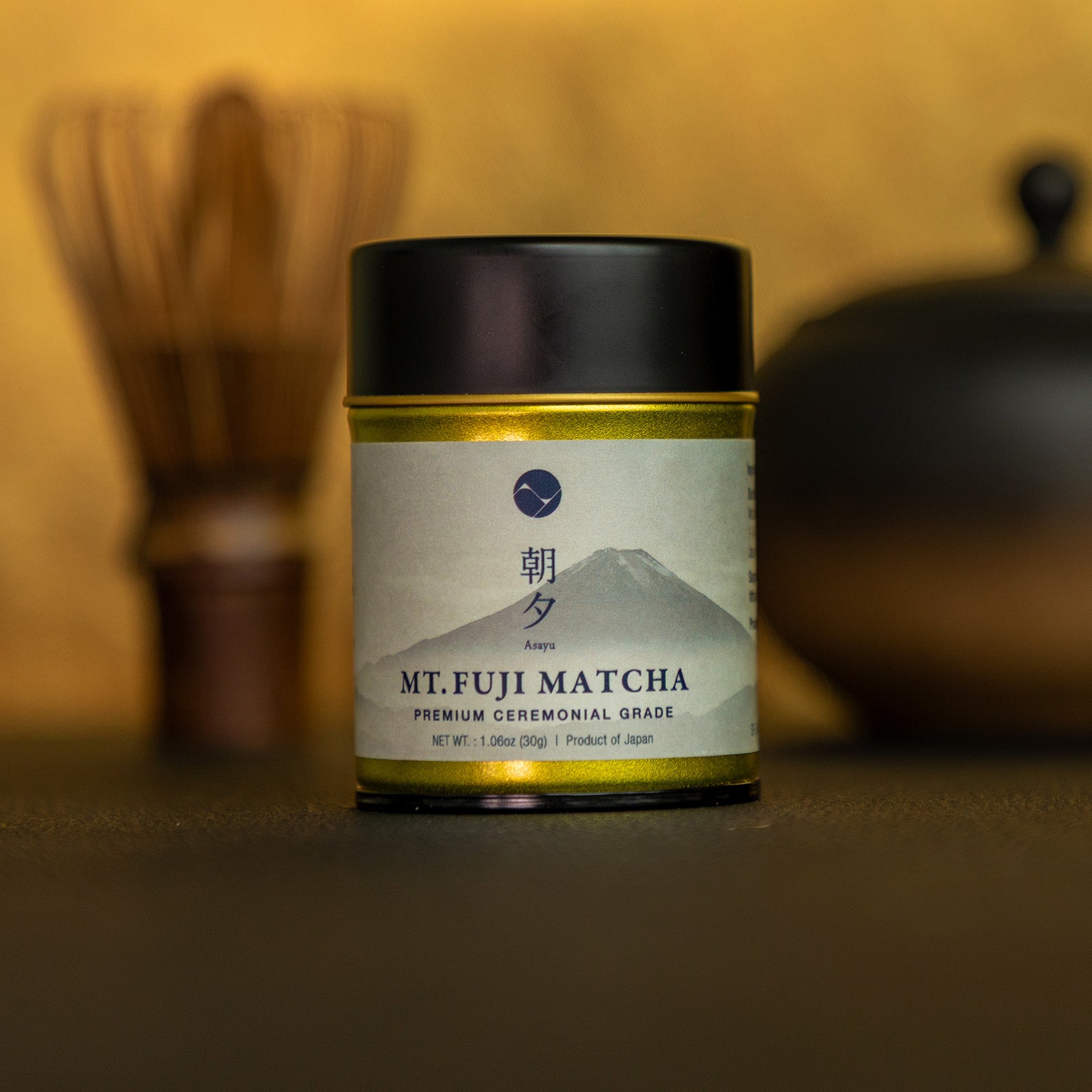
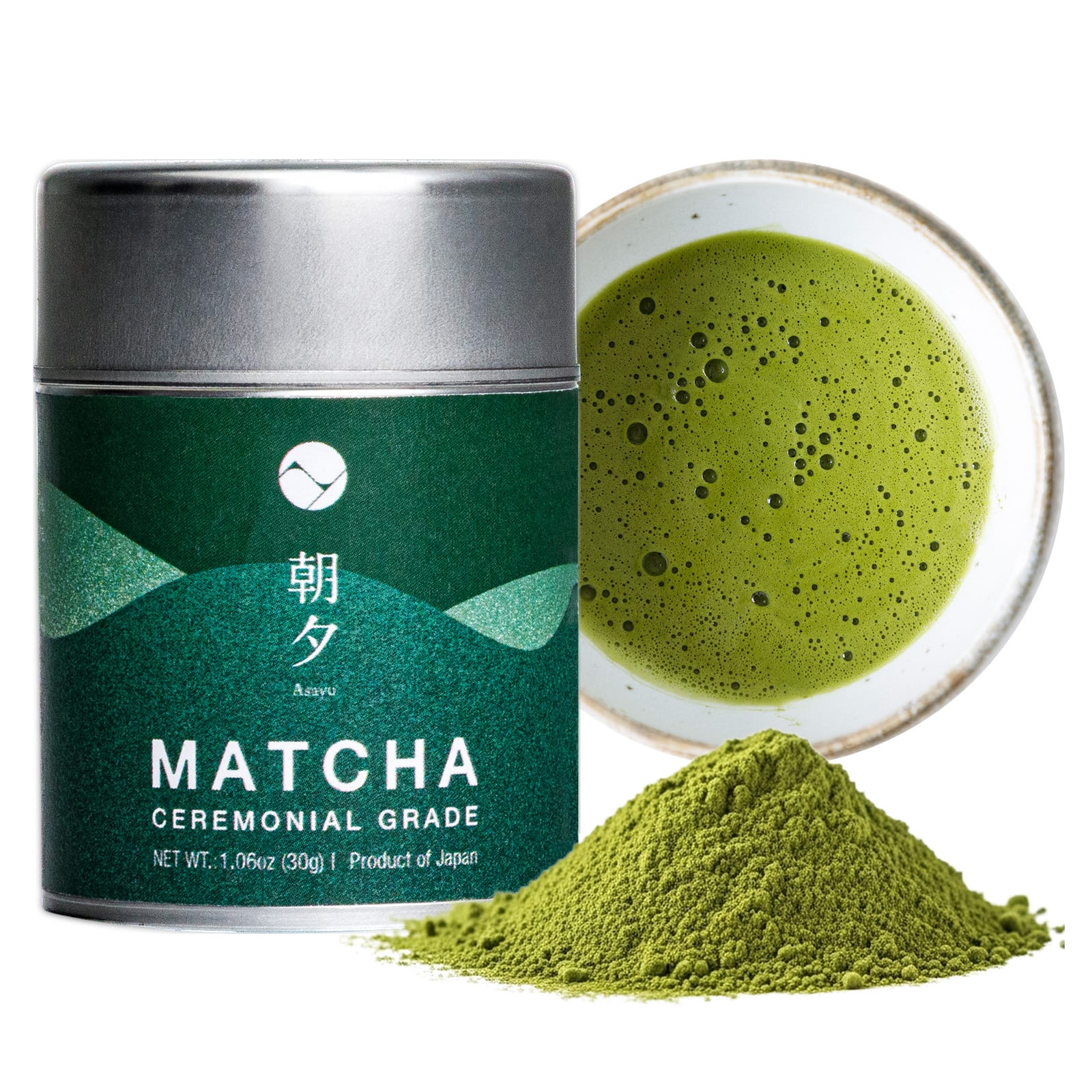
Mt Fuji Organic Premium Ceremonial Grade Matcha Powder 30g
Mt Fuji Organic Premium Ceremonial Grade Matcha Powder 30g
$24.99 USD
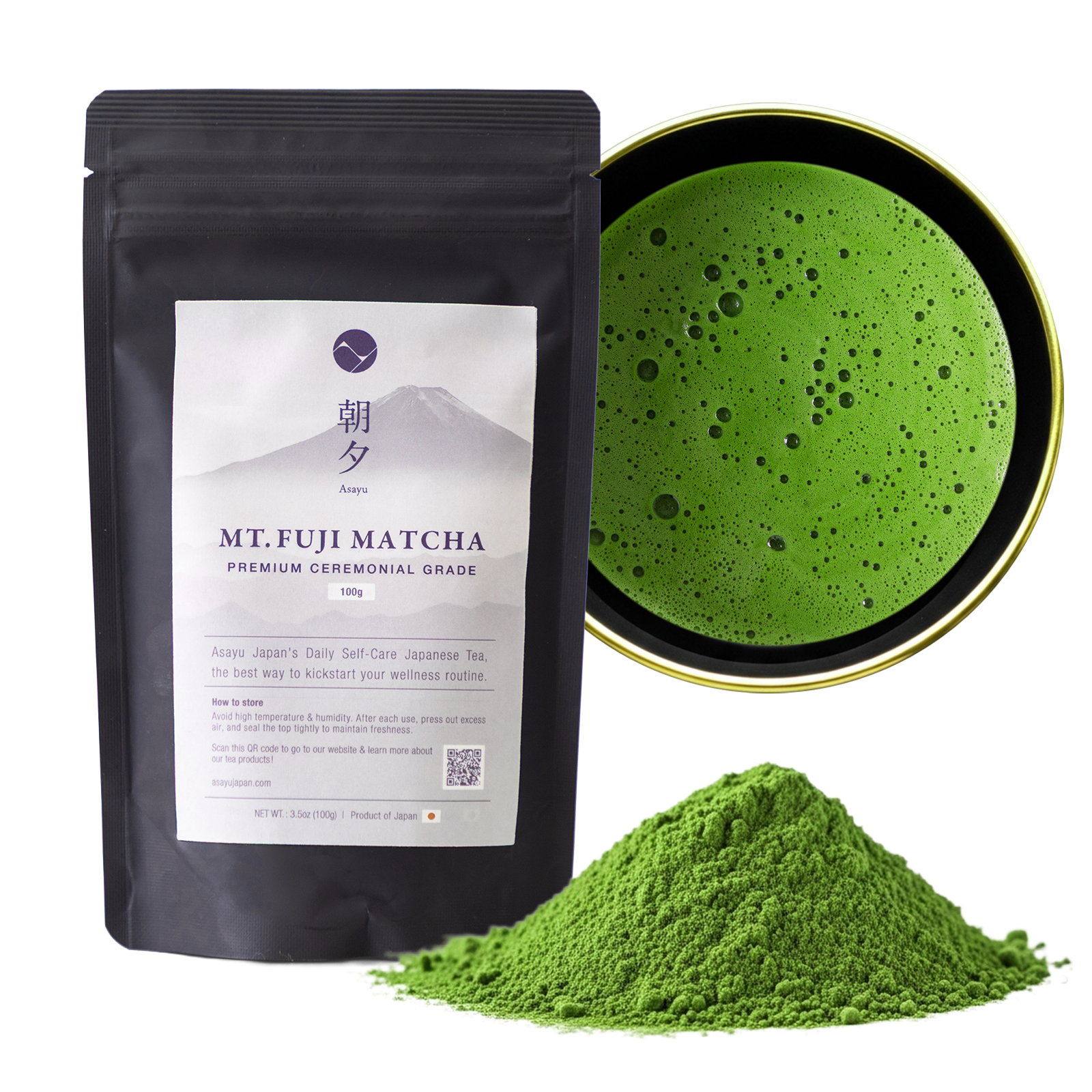
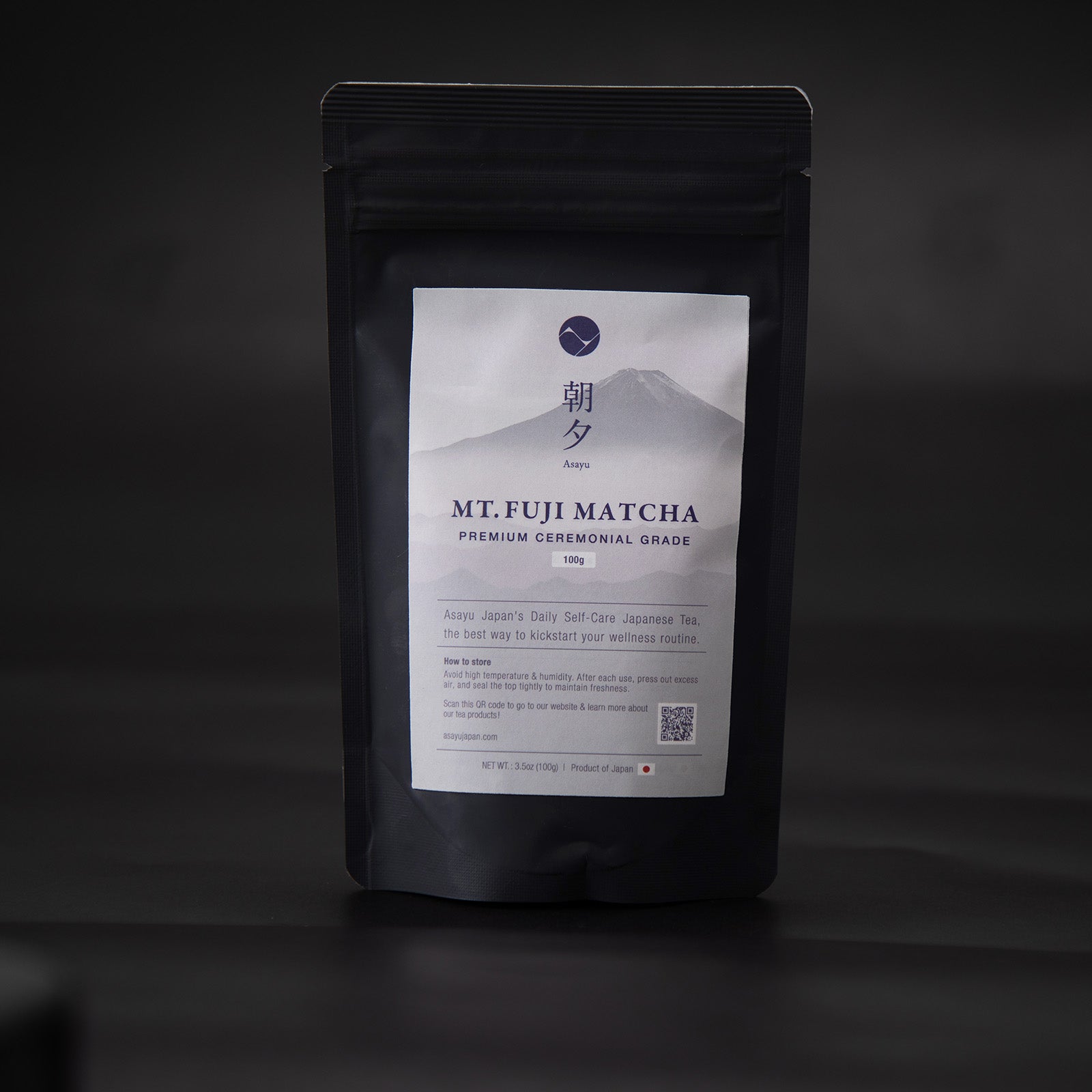
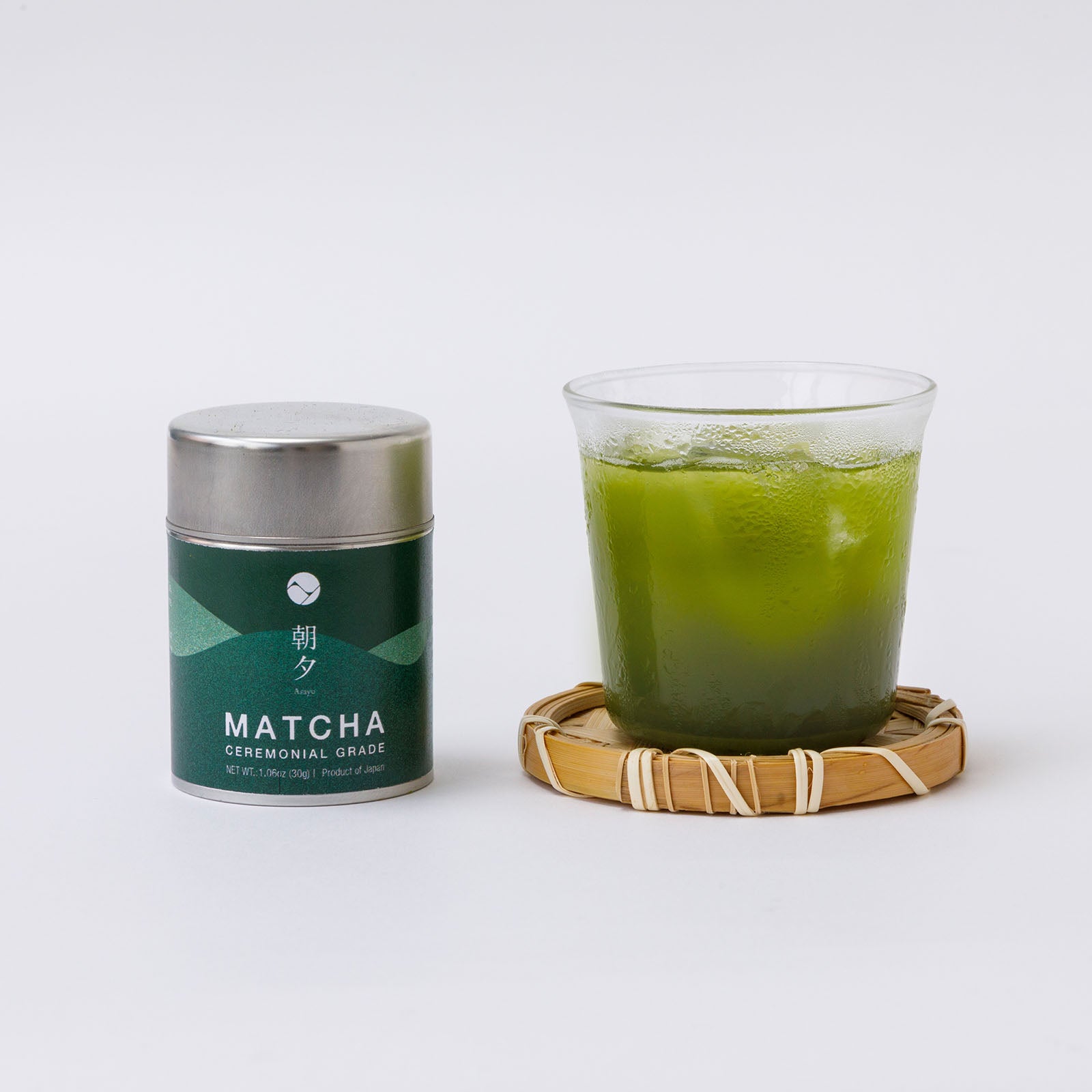
Mt Fuji Organic Premium Ceremonial Grade Matcha Powder 100g
Mt Fuji Organic Premium Ceremonial Grade Matcha Powder 100g
$39.99 USD


Our Newsletter
Mt Fuji Organic Premium Ceremonial Grade Matcha Powder 30g
Mt Fuji Organic Premium Ceremonial Grade Matcha Powder 30g
$24.99 USD
Mt Fuji Organic Premium Ceremonial Grade Matcha Powder 100g
Mt Fuji Organic Premium Ceremonial Grade Matcha Powder 100g
$39.99 USD

0 comments