

Tatami Footwear & Japanese Sandals: How to Wear Geta and Zori Today
 Stepping into Modern Japanese Fashion: How to Style Traditional Footwear Today
If you ever find yourself wandering through the stylish streets of Tokyo (think Shimokitazawa or Omotesando) you'll probably notice a beautiful, unexpected contrast. Right alongside the oversized streetwear, sleek minimalist outfits, and modern silhouettes, there’s a distinct, rhythmic clack, clack echoing against the pavement.
In Japan today, traditional footwear has officially stepped out of the festival grounds and off the tatami mats. A whole new wave of fashion enthusiasts and mindful dressers are reviving these historical pieces, blending them effortlessly with their everyday clothing. For us at Asayu, this is so much more than a passing trend. It offers a beautiful way to bring Japanese heritage, incredible craftsmanship, and a touch of mindful living right into your daily wardrobe.
If you're curious about embracing the core principles of Japanese fashion to elevate your everyday style, your shoes are actually the perfect place to start. Let's dive into how these iconic sandals are being worn today, and how you can easily make them your own.

The Modern Appeal of Traditional Footwear
So, why are so many modern dressers reaching back into history for their shoes? Honestly, it comes down to a perfect mix of striking aesthetics and how the footwear actually makes you feel.
For one, the unique, architectural shapes of traditional sandals instantly add an avant-garde edge to a basic outfit. But perhaps more importantly, in our fast-paced world, these shoes physically encourage you to slow down. They promote a healthier, more grounded posture, let your feet breathe on hot summer days, and give you a tangible connection to the hands of local artisans.
While trying to memorize every single japanese sandals name can feel a bit overwhelming at first, building a modern wardrobe really only requires knowing three main styles: the bold Geta, the refined Zori, and the sleek Setta.
The Statement Piece: Styling the Geta
Mention japanese wooden sandals, and the geta is almost certainly what springs to mind. Characterized by their solid wooden base (dai) elevated on two "teeth" (ha), these shoes are bold, structural, and unapologetically striking.
While they were originally designed centuries ago to keep kimono hems out of the mud and snow, today’s geta are the ultimate statement accessory. In modern Japanese fashion, it's all about playing with contrast. We love seeing fashion-forward locals hunting down classic geta sandals (traditional japanese sandales) just to pair them with highly contemporary, unexpected outfits.
How we love to wear them:
The secret to pulling off japanese wood sandals in a modern context is to play with volume. Because the geta is a substantial, chunky shoe, it balances gorgeously with wide-leg linen trousers, oversized cropped pants, or flowing midi-skirts. Imagine throwing on a monochromatic, loose charcoal linen set and anchoring it with the raw, natural texture of wooden geta. It creates an effortless, artistic vibe that turns heads while keeping you incredibly comfortable.
 The Everyday Essentials: Setta and Zori
Craving something a bit flatter and more low-key for your daily coffee runs? Setta and Zori are going to be your best friends.
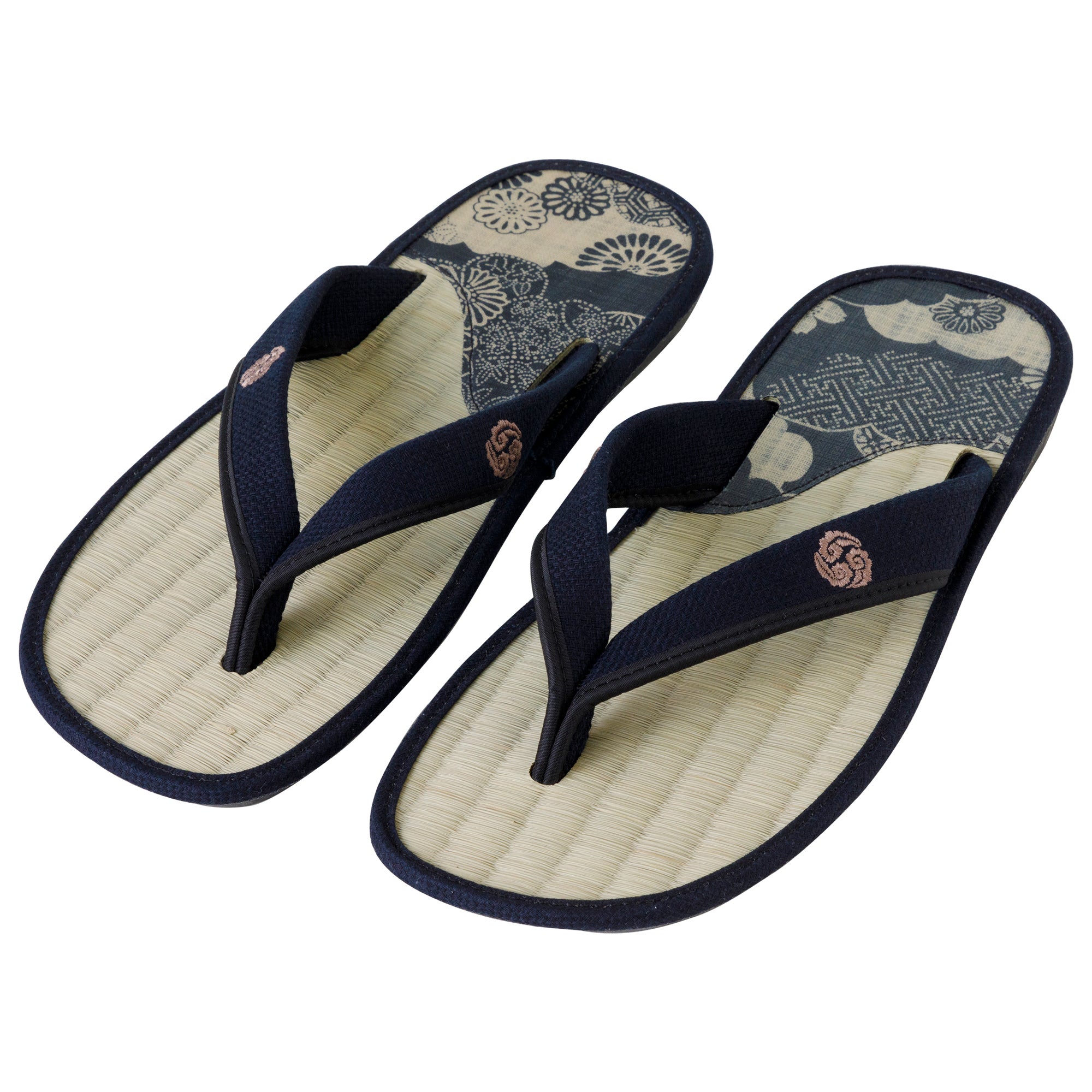
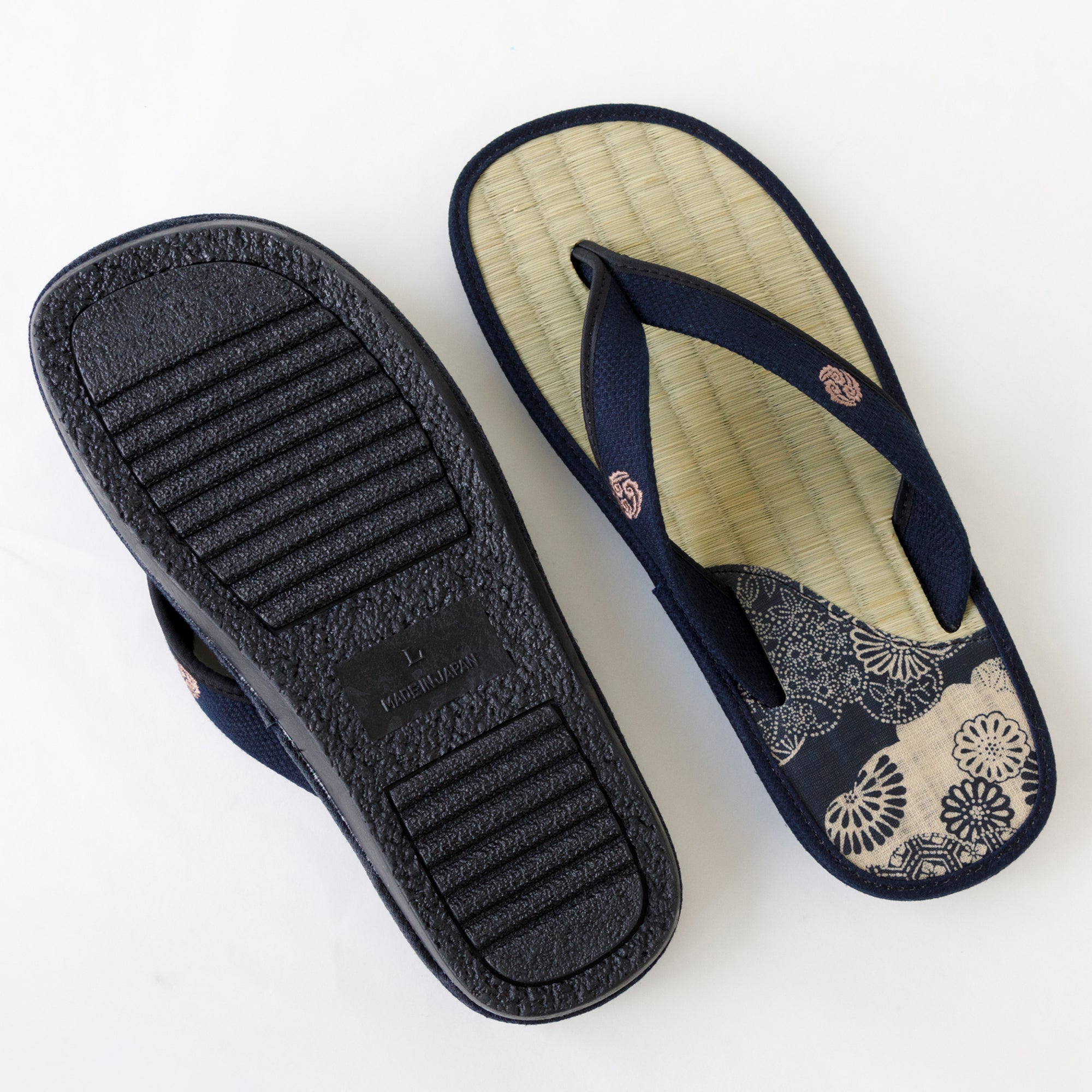
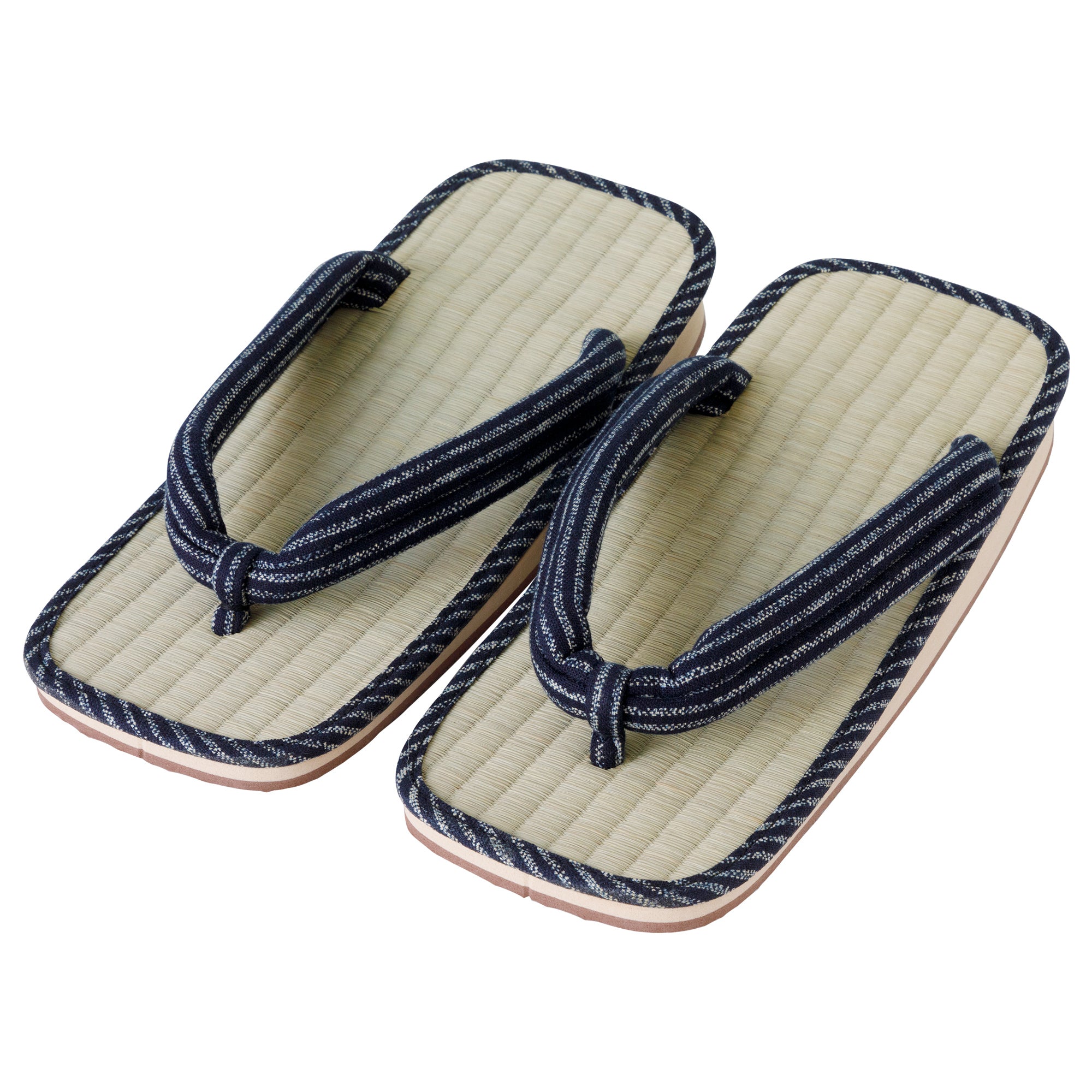
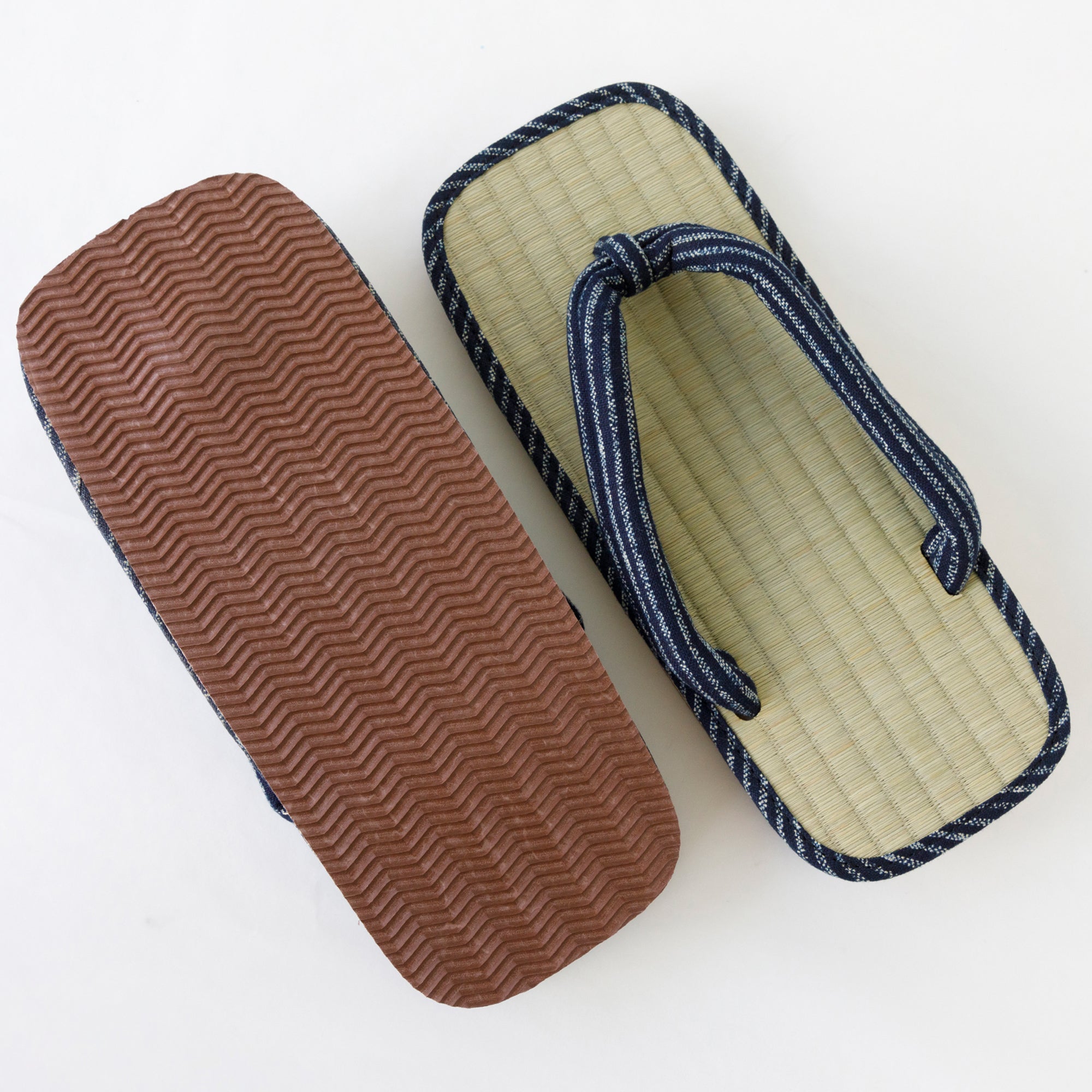
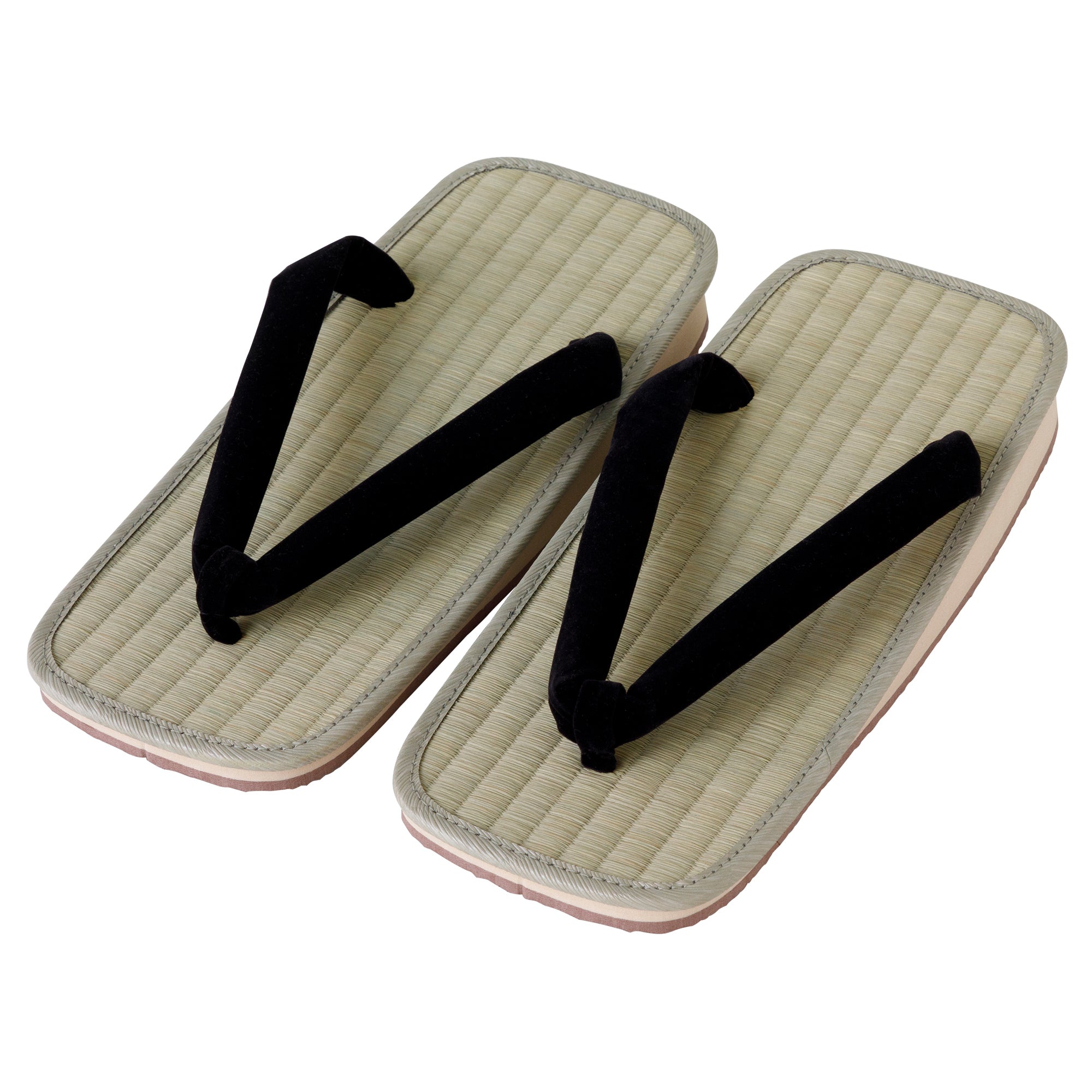
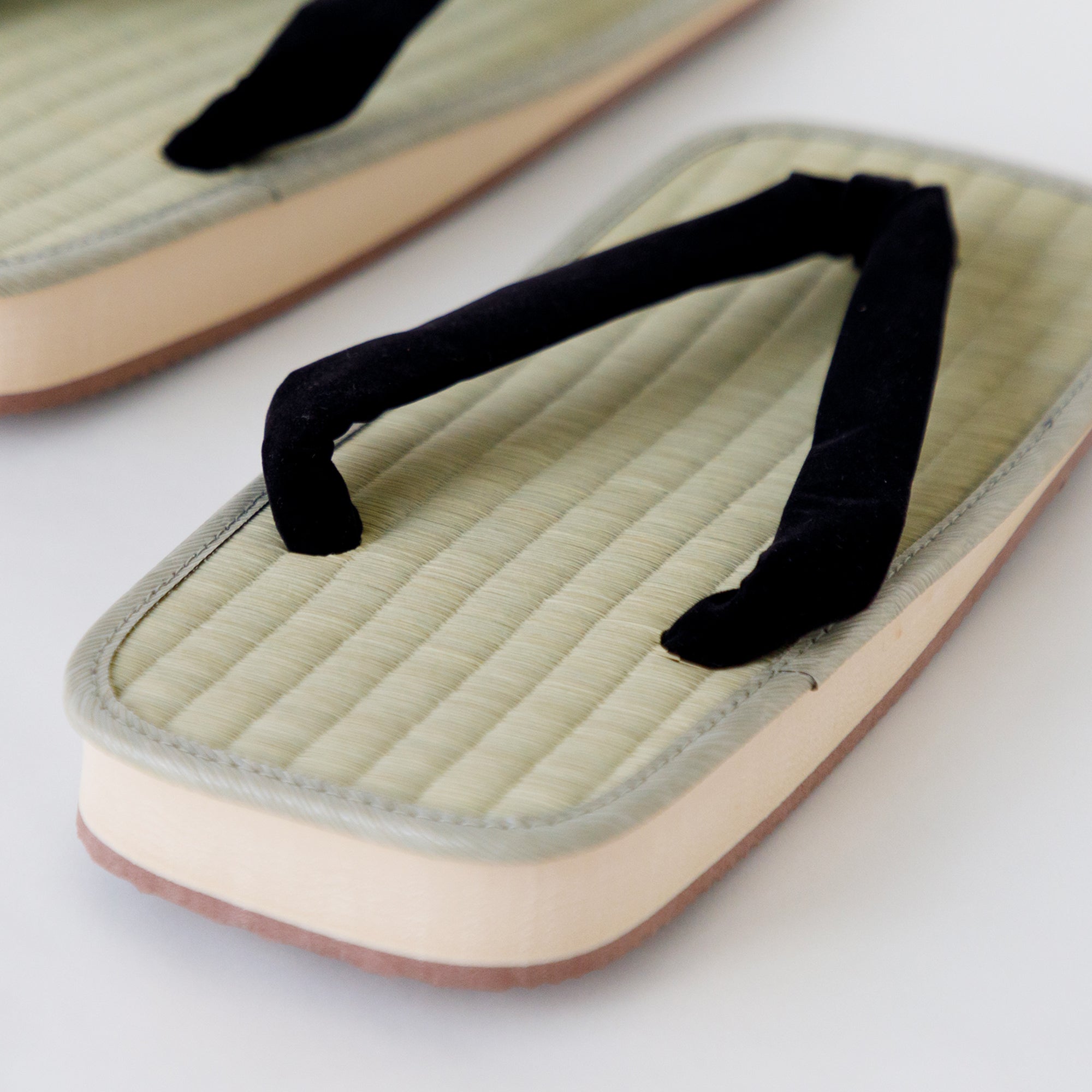
Historically, zori sandals were the go-to formal wear, meticulously woven from rice straw, cloth, or even lacquered wood. Setta are essentially a slightly tougher, weather-resistant cousin of the zori. Originally loved by 16th-century tea masters for their practicality, setta feature a protective sole (traditionally leather, now often a durable modern rubber) and a distinctive little metal heel piece that creates a subtle, crisp sound when you walk.
Today, both styles have completely shed their strictly formal reputation to become the ultimate casual street shoes in Japan. People love them for their minimalist look and that freeing, "barefoot" feel. Many of the modern versions you'll find feature footbeds made of natural igusa (tatami reed) or woven bamboo. Not only do these materials naturally absorb moisture to keep your feet cool in humid weather, but the V-shaped thong strap (the hanao) naturally stimulates acupressure points between your toes, which is wonderful for circulation.
It's completely normal now to see locals swapping out their regular flip-flops for high-quality Setta or Zori, instantly elevating a simple jeans-and-tee look with a touch of artisanal texture.
How we love to wear them:
Because they are elegantly flat, zori and setta slide effortlessly into a Western wardrobe. They look phenomenal when paired with raw, straight-leg denim and a crisp, oversized white t-shirt. They are also the perfect, easy companion for relaxed summer dresses or tailored shorts.
A quick modern styling tip: Please don't pack them away when the leaves start to turn! A massive trend in contemporary Japanese street fashion right now is pairing your zori sandals or setta with traditional, split-toe tabi socks in fun, contrasting colors during the cooler spring and autumn months. It's a great way to keep wearing your favorite footwear all year round.

A Mindful Step Forward
At the end of the day, bringing traditional Japanese footwear into your modern wardrobe feels like more than just a style choice, it feels like an embrace of a slower, more intentional lifestyle. Whether you fall in love with the earthy, grounding presence of japanese wooden sandals or the sleek, breathable comfort of a modern setta, you are choosing quality, history, and a more mindful way of walking through the world.
Ready to bring a little touch of Japanese elegance into your everyday life? Browse Asayu’s curated lifestyle collections and take your first step toward a more mindful, beautifully crafted wardrobe.
Sandales Japonaises Traditionnelles Tatami Setta Zori Fabriquées au Japon – Bleu
Sandales Japonaises Traditionnelles Tatami Setta Zori Fabriquées au Japon – Bleu
$59.99 USD
Sandales Japonaises Traditionnelles Tatami Setta Zori Fabriquées au Japon – Bandes Noires
Sandales Japonaises Traditionnelles Tatami Setta Zori Fabriquées au Japon – Bandes Noires
$59.99 USD
Sandales Japonaises Traditionnelles Tatami Setta Zori, Fabriquées au Japon – Noir
Sandales Japonaises Traditionnelles Tatami Setta Zori, Fabriquées au Japon – Noir
$59.99 USD
Voir Plus


Notre Newsletter
Sandales Japonaises Traditionnelles Tatami Setta Zori Fabriquées au Japon – Bleu
Sandales Japonaises Traditionnelles Tatami Setta Zori Fabriquées au Japon – Bleu
$59.99 USD
Sandales Japonaises Traditionnelles Tatami Setta Zori Fabriquées au Japon – Bandes Noires
Sandales Japonaises Traditionnelles Tatami Setta Zori Fabriquées au Japon – Bandes Noires
$59.99 USD
Sandales Japonaises Traditionnelles Tatami Setta Zori, Fabriquées au Japon – Noir
Sandales Japonaises Traditionnelles Tatami Setta Zori, Fabriquées au Japon – Noir
$59.99 USD
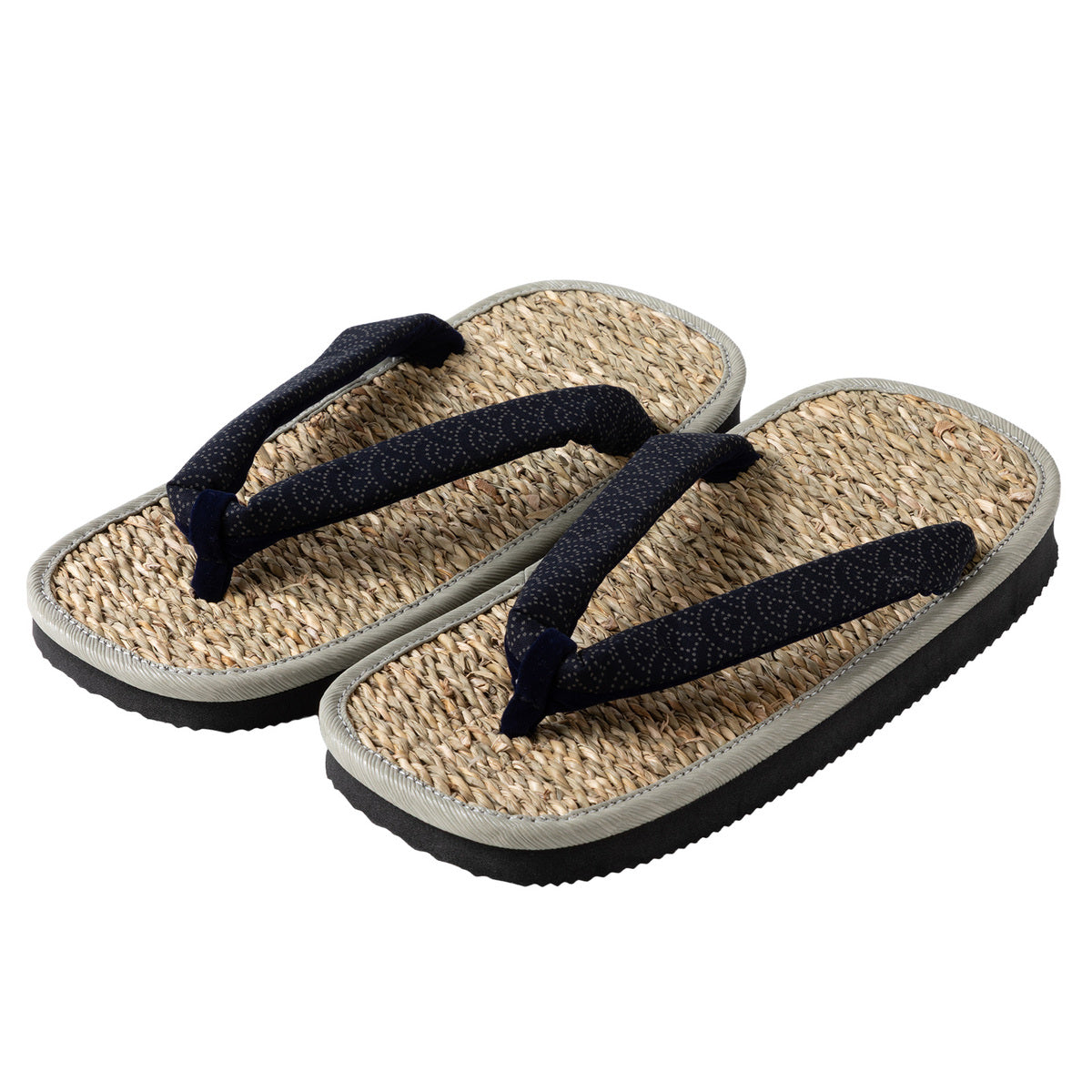
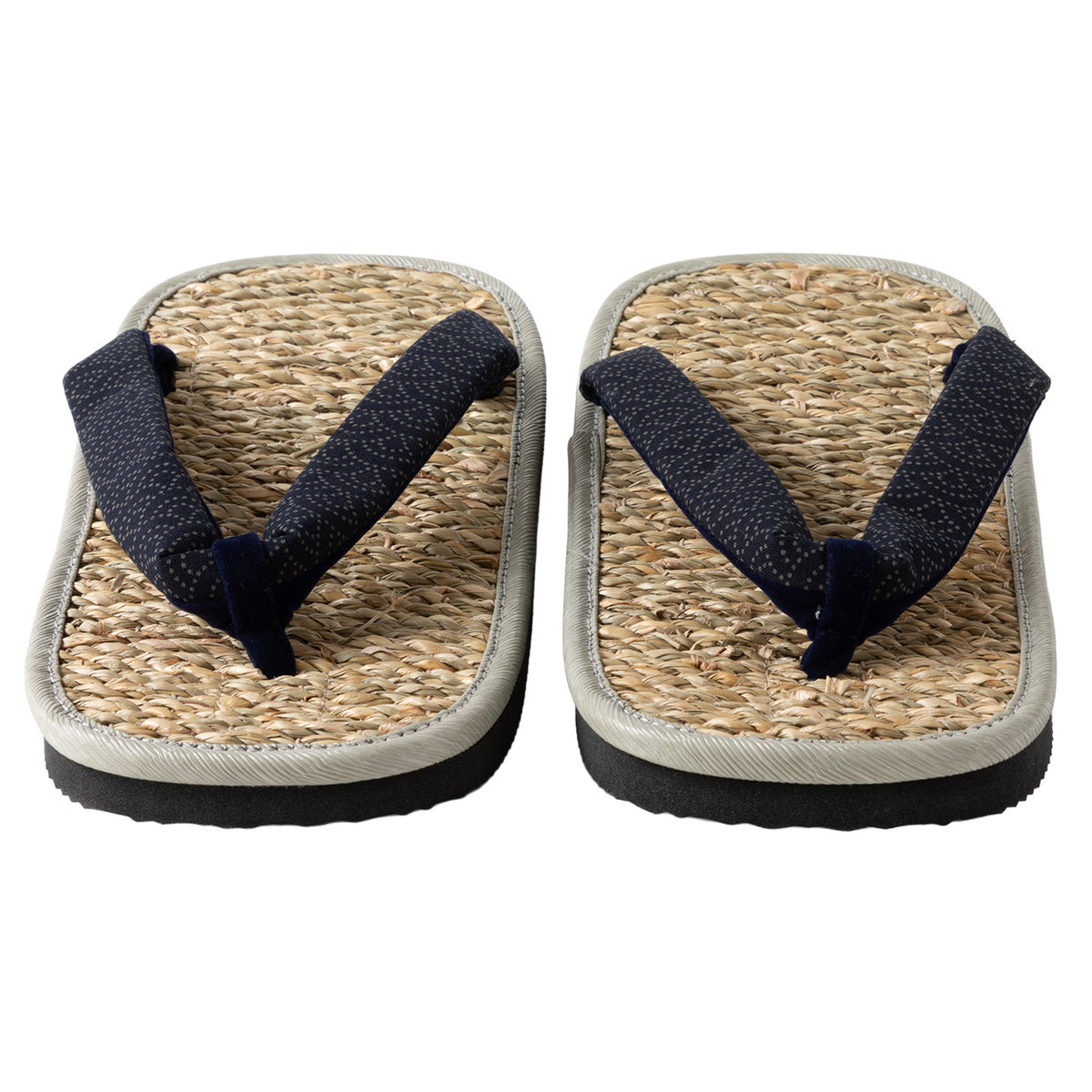
Sandales Japonaises Traditionnelles Tatami Setta Zōri Motif Sameseigaiha
Sandales Japonaises Traditionnelles Tatami Setta Zōri Motif Sameseigaiha
$59.99 USD