

![[ Free Shipping in continental US, CANADA, and UK ] Asayu Japan 100% Natural Incense Stick Assortment, Set of 5 Scents | 100% Made in Japan Incense Sampling Variety Pack | Sandalwood, Agarwood, Cypress, White Sage and Frankincense](http://asayujapan.com/cdn/shop/files/08.jpg?v=1698765257&width=3840)
![[ Free Shipping in continental US, CANADA, and UK ] Asayu Japan 100% Natural Incense Stick Assortment, Set of 5 Scents | 100% Made in Japan Incense Sampling Variety Pack | Sandalwood, Agarwood, Cypress, White Sage and Frankincense](http://asayujapan.com/cdn/shop/files/10.jpg?v=1698765257&width=3840)

Teach Your Room to Say Goodnight
There's a particular kind of tired that doesn't respond to lying down. You turn off the lights, but your mind is still holding the day open in a dozen tabs. Sleep researchers have a name for part of the problem: your body never got the memo that the day was over. No cue, no transition, no signal to downshift.
This year, wellness and sleep publications have been talking about a fix under the name "scent scheduling", using fragrance the way you'd use a dimmer switch, deliberately, at set points in the day, to help the nervous system know what's coming next. Energizing notes in the morning. Calming ones in the evening. Enough consistency that your brain starts to associate the smell with the shift itself.
It's a tidy bit of modern wellness language for something that has a much older home.
The Body Remembers a Smell Before It Remembers a Reason
The idea behind scent scheduling isn't new, it's just newly named. Certain notes, particularly sandalwood, lavender, and chamomile, have shown up again and again in research on sleep onset and nervous system regulation. Used consistently in the thirty to sixty minutes before bed, they seem to give the body a head start on winding down, before you've consciously decided to relax at all.
That's the quiet logic of scent: it bypasses the part of you that's still composing tomorrow's to-do list.
A Ritual Japan Never Really Stopped Practicing
Long before anyone called it a "trend," Japanese households were marking the boundary between day and evening with scent. Incense in particular has always carried this dual role, practical and ceremonial at once. It marks a room as settled. Burned in the same place, at the same hour, night after night, it becomes less a fragrance choice and more a signal: the day is closing.
That's really the missing piece in a lot of modern sleep advice. It's not only about which scent you choose. It's about repetition, the same cue, at the same point in your evening, until your body starts responding to it before your mind catches up.
Building an Evening Ritual, Not Just an Evening Task
A ritual doesn't need to be elaborate to work. If anything, the simpler version is the one you'll actually keep. A shape worth trying:
Start with the wash. A warm shower or bath is already a natural transition point in most evenings, it's just rarely treated as one. Washing with something calming rather than purely functional turns a chore into the first beat of the ritual. A gentle, naturally deodorizing persimmon soap works well here precisely because it doesn't rely on a heavy fragrance to feel like self-care: it just leaves skin quietly clean.
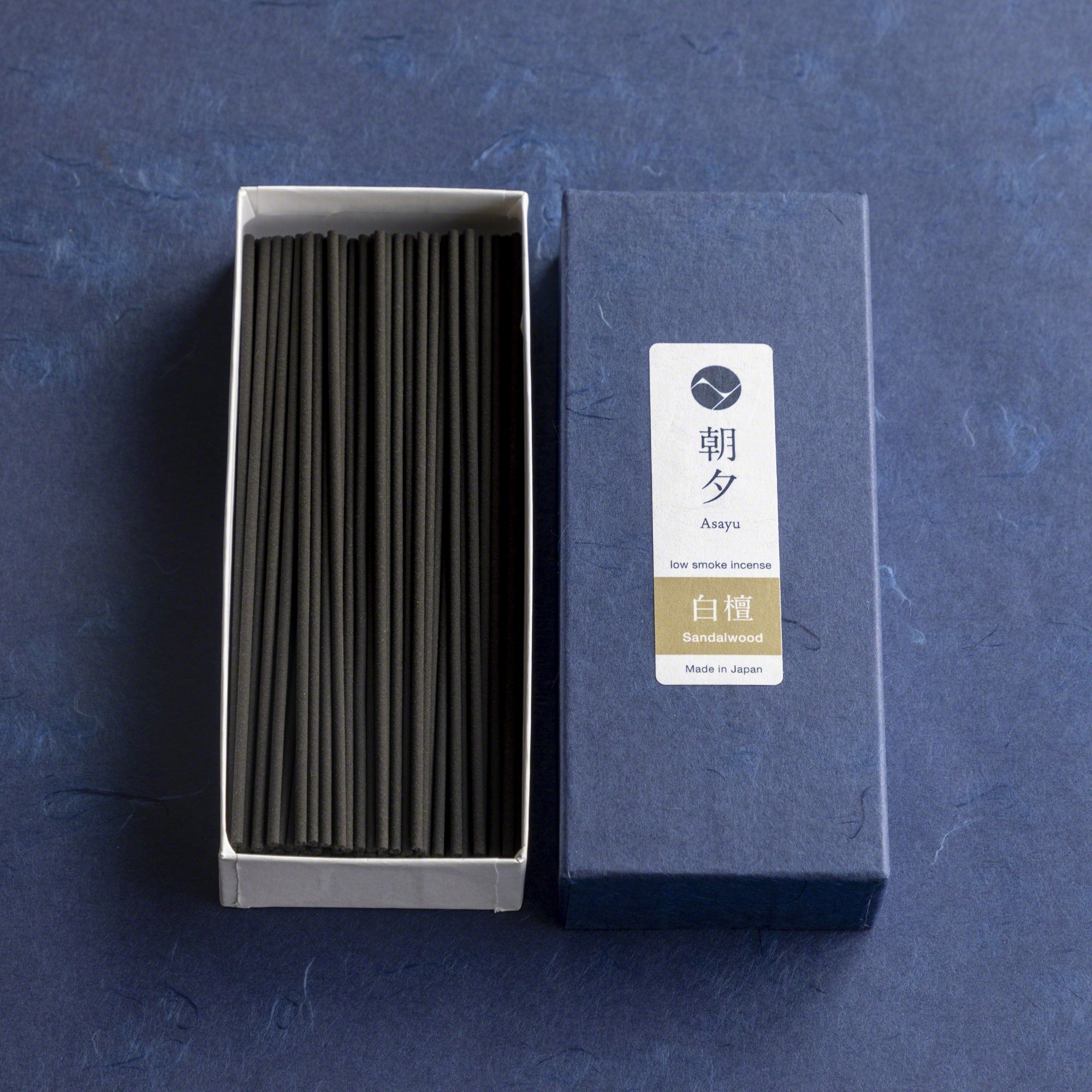
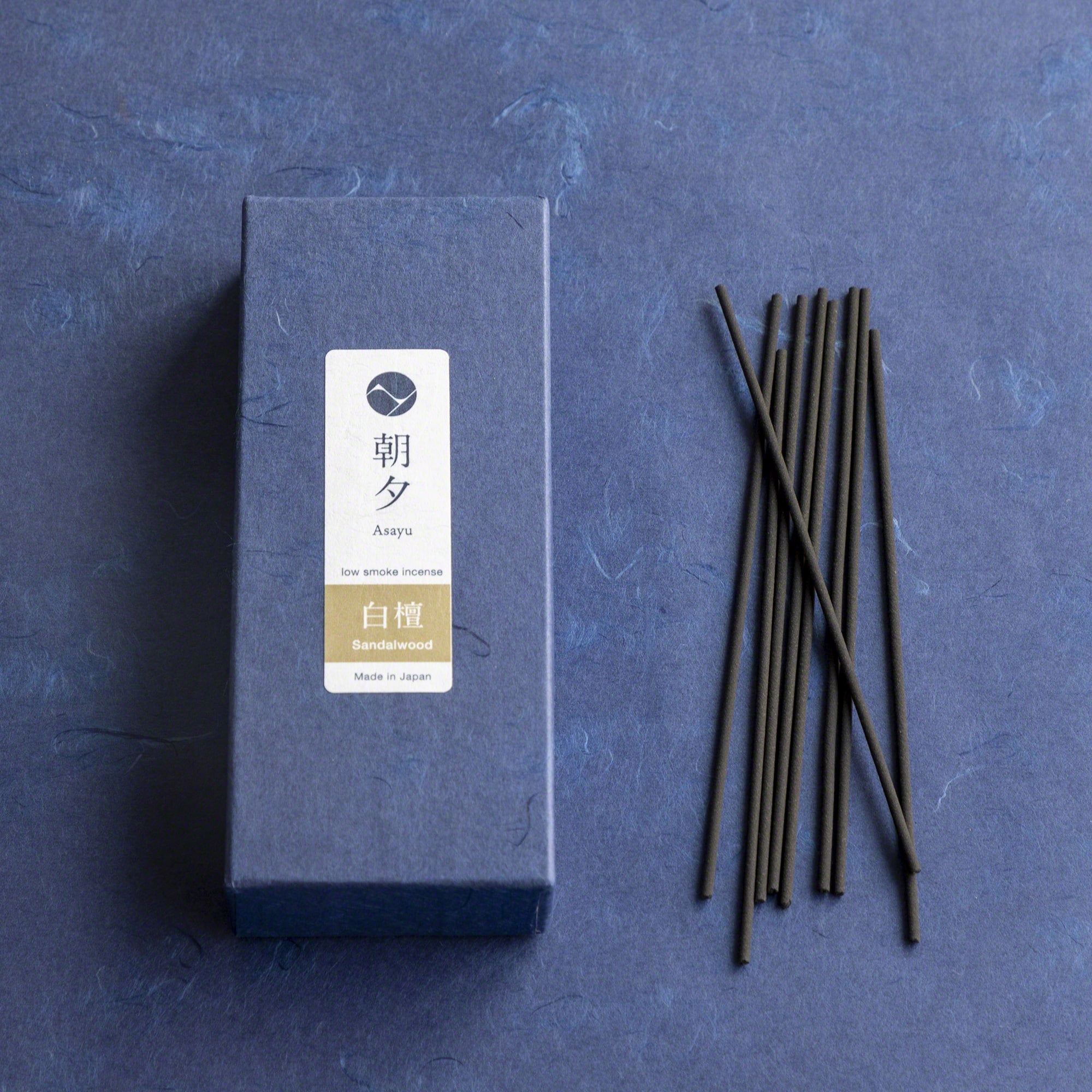
Light something, thirty minutes before you intend to sleep. This is the actual cue. Consistency matters more than the specific scent, though sandalwood is a reasonable place to start if you're building the habit from scratch, it's one of the more consistently studied calming notes, and it's also just pleasant enough that lighting it doesn't feel like a chore.
Dim everything else. Phones, overhead lights, notifications. The scent is doing the signaling; give it room to work without competing against a bright screen telling your brain the opposite thing.
Repeat it enough that it stops being a decision. The whole point of a cue is that it eventually runs on autopilot. Give it a week or two before deciding whether it's "working": the body needs the repetition to build the association in the first place.
Finding Your Evening Scent
Not every calming note works the same way for every person, which is part of why scent rituals take a little trial and error. If you're not sure where to start, a small assortment of natural incense scents, sandalwood alongside cypress, agarwood, white sage, and frankincense, is a low-pressure way to notice which one actually settles you, rather than committing to a single scent before you know what your evenings respond to.
The Trend Was Just Catching Up
It's a little funny, watching "scent scheduling" get treated as a 2026 wellness discovery. The underlying idea, that a room can be taught to mean something, that a smell can close a day the way a closing line closes a chapter, is one that's been quietly practiced in Japanese homes for a very long time. The science is newer. The ritual isn't.
You don't need a smart diffuser or a subscription app to start. You need a scent you like, a consistent time, and the patience to let your body learn what it means. That's the whole method: built for evening, practiced slowly, repeated until it's no longer something you have to think about.
Assortiment Encens Naturel 5 Parfums : Santal, Agar, Cyprès, Sauge, Encens
Assortiment Encens Naturel 5 Parfums : Santal, Agar, Cyprès, Sauge, Encens
$33.99 USD
Bâtonnets d'Encens Bois de Santal 100% Naturel Faible Fumée 40g
Bâtonnets d'Encens Bois de Santal 100% Naturel Faible Fumée 40g
$27.99 USD
Coffret de 12 Encens Pressés en Forme de Fleur
Coffret de 12 Encens Pressés en Forme de Fleur
$28.99 USD
Voir Plus


Notre Newsletter
Assortiment Encens Naturel 5 Parfums : Santal, Agar, Cyprès, Sauge, Encens
Assortiment Encens Naturel 5 Parfums : Santal, Agar, Cyprès, Sauge, Encens
$33.99 USD
Bâtonnets d'Encens Bois de Santal 100% Naturel Faible Fumée 40g
Bâtonnets d'Encens Bois de Santal 100% Naturel Faible Fumée 40g
$27.99 USD
Coffret de 12 Encens Pressés en Forme de Fleur
Coffret de 12 Encens Pressés en Forme de Fleur
$28.99 USD
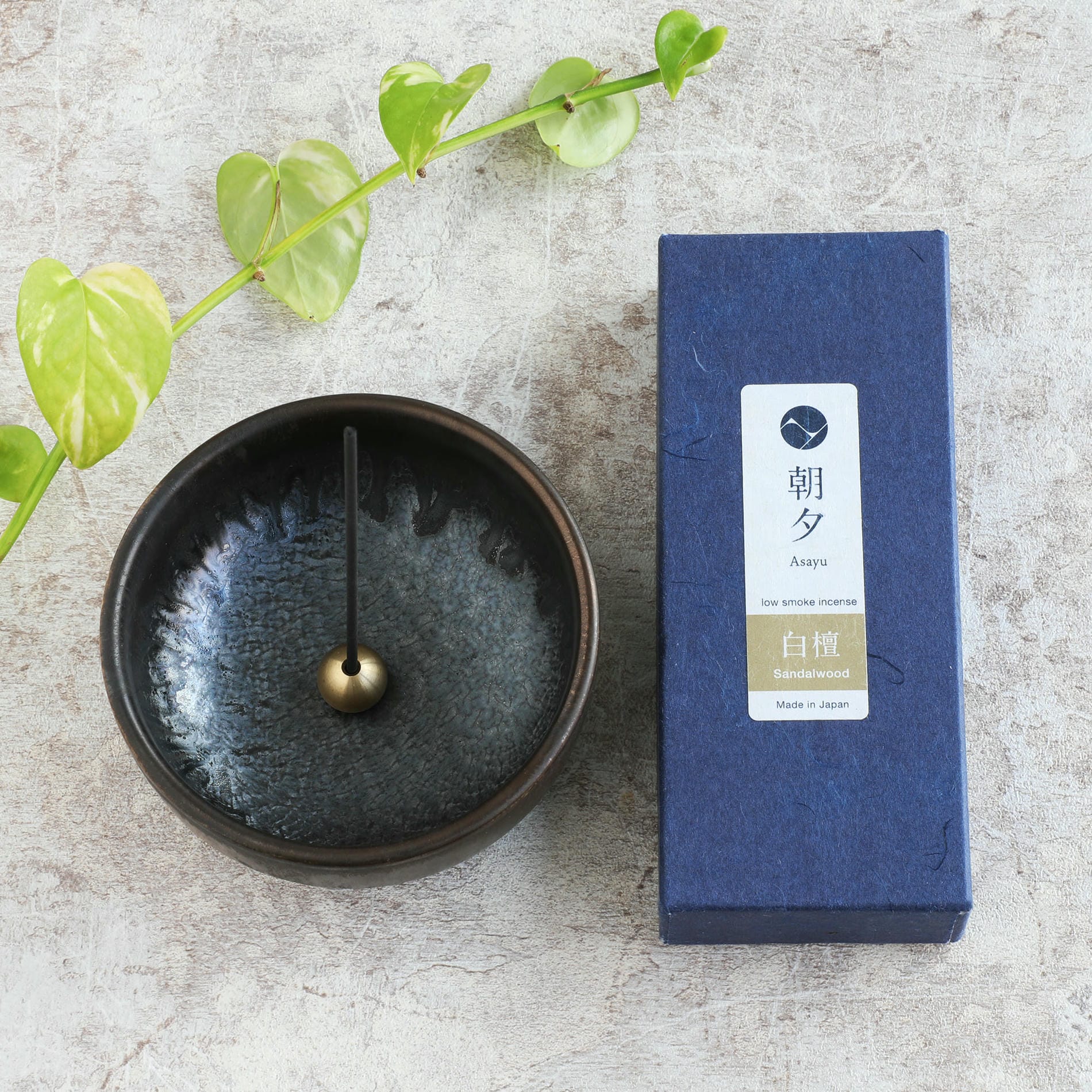
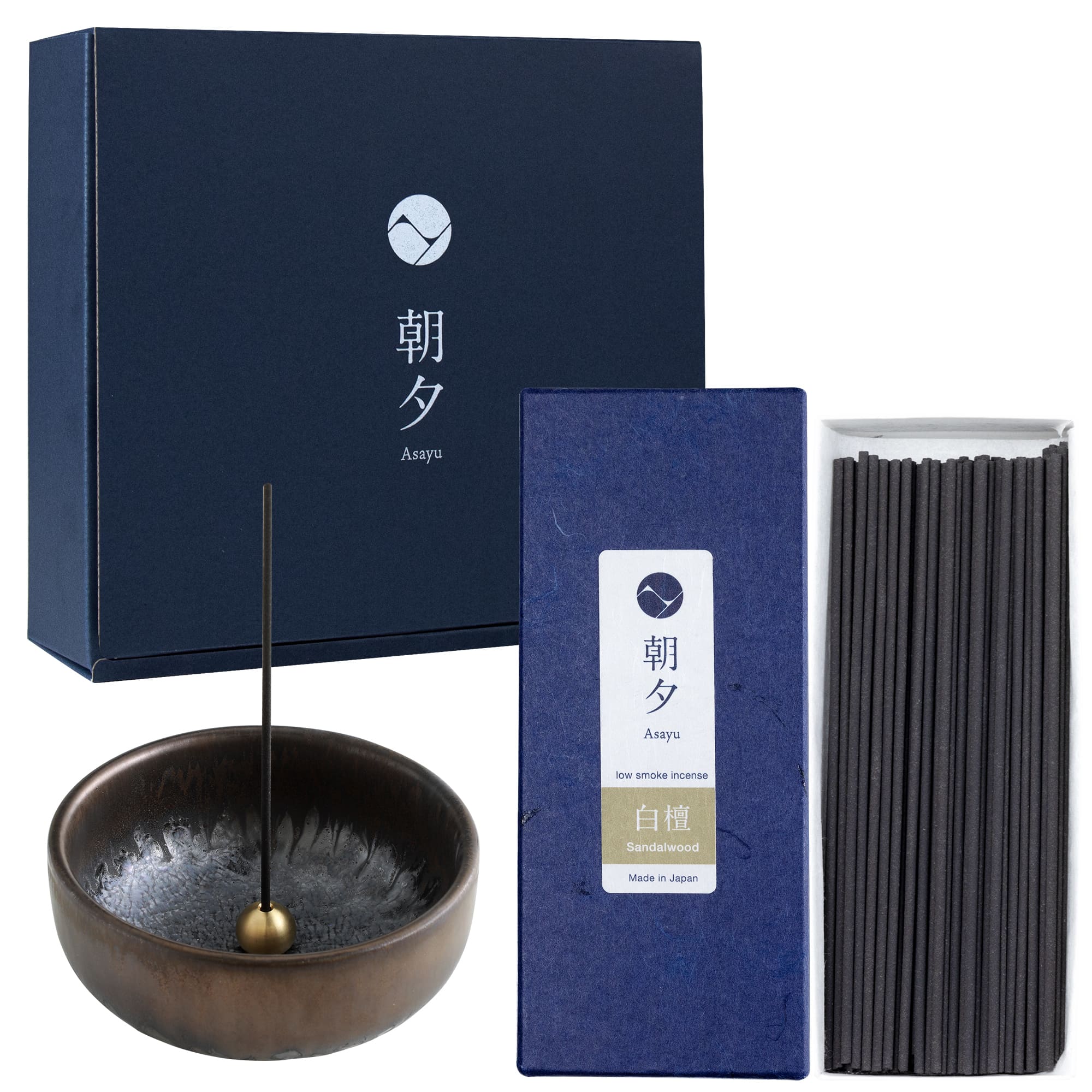
Coffret Cadeau Encens à Faible Fumée — Bâtons d’Encens Bois de Santal avec Porte-Encens Zen
Coffret Cadeau Encens à Faible Fumée — Bâtons d’Encens Bois de Santal avec Porte-Encens Zen
$59.99 USD