
![[ Free Shipping in continental US, CANADA, and UK ] Asayu Japan 100% Natural Incense Stick Assortment, Set of 5 Scents | 100% Made in Japan Incense Sampling Variety Pack | Sandalwood, Agarwood, Cypress, White Sage and Frankincense](http://asayujapan.com/cdn/shop/files/08.jpg?v=1698765257&width=3840)
![[ Free Shipping in continental US, CANADA, and UK ] Asayu Japan 100% Natural Incense Stick Assortment, Set of 5 Scents | 100% Made in Japan Incense Sampling Variety Pack | Sandalwood, Agarwood, Cypress, White Sage and Frankincense](http://asayujapan.com/cdn/shop/files/10.jpg?v=1698765257&width=3840)

Why Your Home Smells Wrong (And What Japanese Craft Can Teach You About It)

The hidden role of scent in interior design, and a Japanese philosophy that changes how you think about it
Walk into a beautifully designed room. The lighting is perfect. The furniture is considered. The palette is cohesive.
And yet something is off. Not visually. Atmospherically.
Scent is the most powerful sense we have, more directly wired to memory and emotion than sight or sound. Yet it is almost always the last thing considered in a home. A candle chosen for its jar. A diffuser running in the background. Something that smells like "clean" or "cosy" or "luxury", without quite being any of those things.
Japan has never approached it this way.
The Room That Breathes
In traditional Japanese architecture, a room is not just a visual composition. It is an atmosphere, a total sensory environment where light, texture, sound, and scent are given equal consideration.
The concept of ma (間), often translated as "negative space", extends beyond the visual. It applies to scent too. A Japanese room doesn't try to smell like something. It tries to smell like almost nothing, with intention.
This is what makes traditional Japanese incense so distinct. It is not loud. It is not sweet. It does not announce itself the moment you walk through the door.
A single stick of jinko (aloeswood) or byakudan (sandalwood) produces a thread of smoke so refined that you may not consciously register it, until you leave the room, and notice its absence.
That is the point.
Listening to Fragrance
Japanese incense is rooted in kōdō (香道), the classical art of fragrance practiced in Japan for over a thousand years. In formal kōdō, participants don't say they "smell" incense. They say they hear it (kiku, 聞く).
That linguistic choice says everything. It implies attention, presence, and a relationship with scent that is active rather than passive. Fragrance as something you engage with, not something that simply fills the air around you.
It is a fundamentally different way of thinking about what a home can smell like.
What This Means in Practice
You don't need to study classical Japanese fragrance arts to apply this thinking. A few principles translate directly into any living space:
Scent should recede, not project. The goal is an atmosphere guests feel before they can name it. Subtlety is not a compromise. It is the point.
Match scent to material. Japanese interiors pair incense with natural surfaces: wood, linen, stone, unglazed clay. If your home leans toward natural textures, your scent should speak the same language.
Burn less, less often. One stick, burned completely, in a single room. Scent memory requires contrast. The absence of fragrance is what makes its presence meaningful.
Explore woody and resinous profiles. Aloeswood, hinoki, sandalwood. These integrate quietly into a living space across every season, without competing with the other scents of daily life.
The Object Is Part of It
In Japan, the incense holder is never an afterthought.
A ceramic kōro (incense burner) or a hand-carved wooden holder is chosen with the same care as any other object in the room. It sits on a surface. It catches ash. It is looked at every day, whether incense is burning or not.
This is the Japanese approach to functional objects: they must earn their place, not just practically, but visually. A considered holder on a bare wooden shelf, with a single thread of smoke rising from it, is itself a design decision.
The Upgrade Nobody Talks About
Most changes we make to our homes are visible. A new lamp. A different cushion. A plant.
Scent works differently. It shapes how a space feels before we understand why. And when it is chosen with the same care we give to everything else in a room, it becomes the detail that holds the whole atmosphere together.
Your home already has a scent. The question is whether it is one you chose.
Asayu Japan carries traditional Japanese incense sourced from artisan producers, including aloeswood, sandalwood, hinoki, and seasonal blends. Each variety is selected for its quality of materials and its ease within contemporary living spaces.
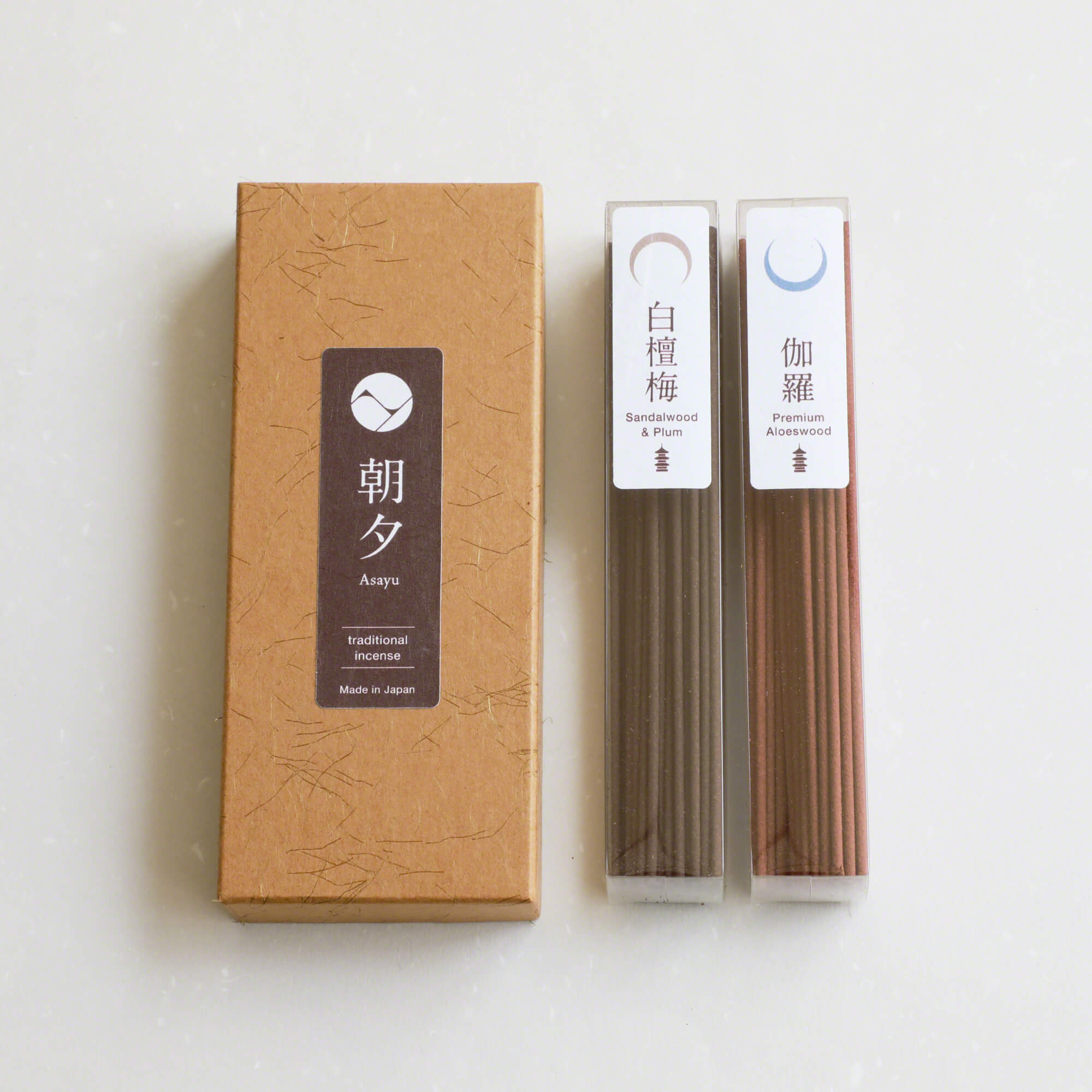
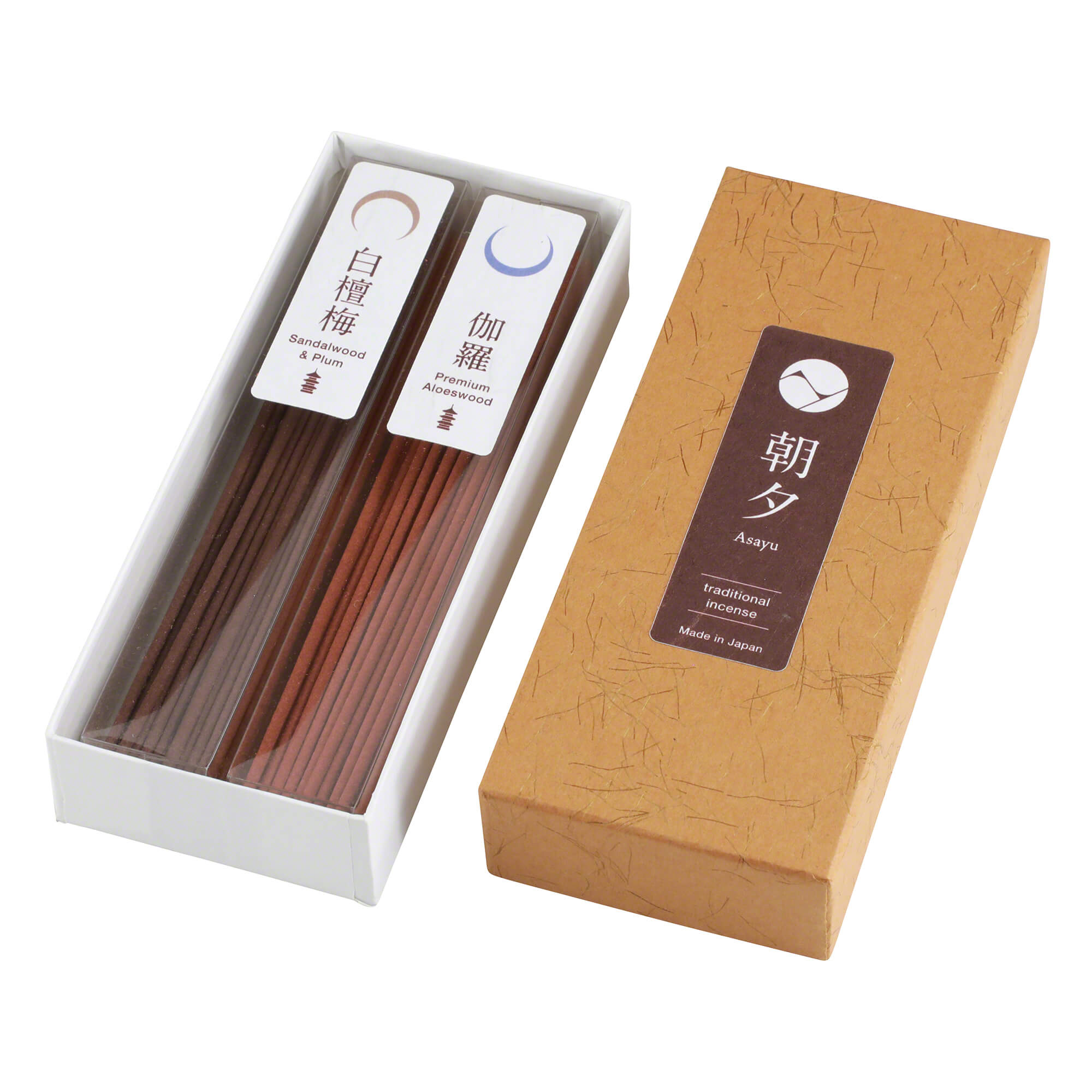
Duo Bâtons d'Encens Traditionnel Temple 40g I Mélange Bois de Santal & prune et Bois d'Aloès Premium
Duo Bâtons d'Encens Traditionnel Temple 40g I Mélange Bois de Santal & prune et Bois d'Aloès Premium
$34.99 USD
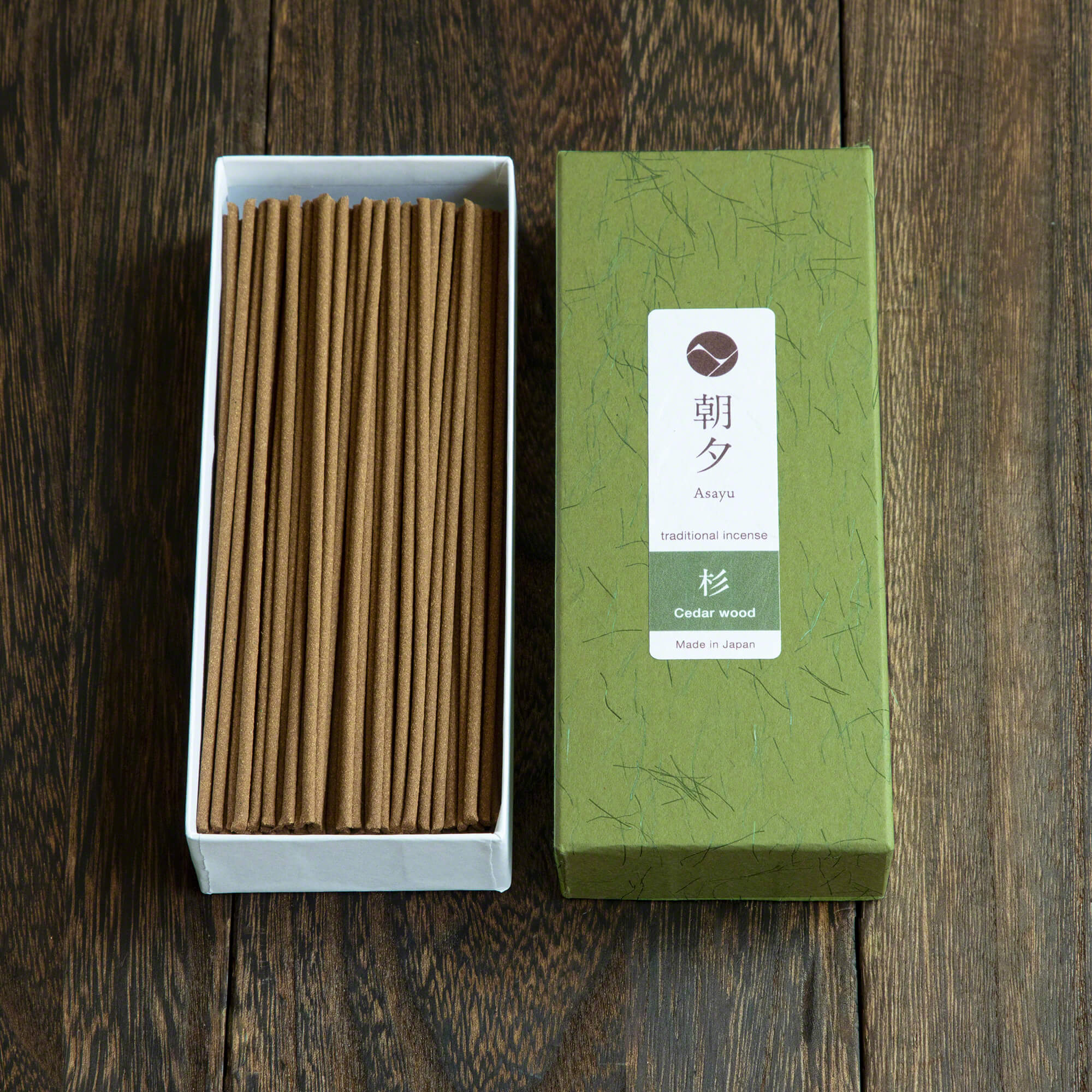
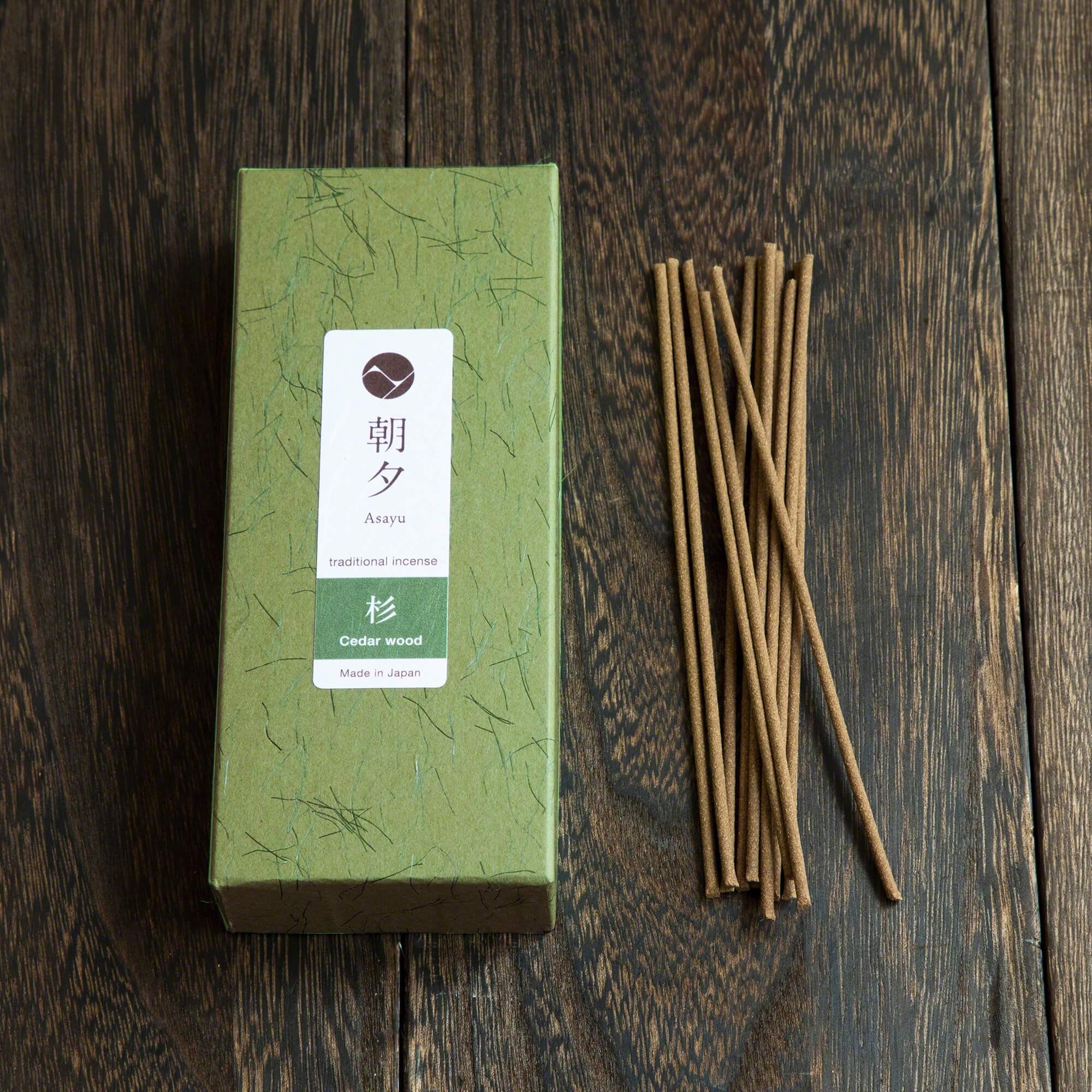
Bâtons d'Encens Traditionnels Bois de Cèdre Japonais 40g
Bâtons d'Encens Traditionnels Bois de Cèdre Japonais 40g
$27.99 USD
Assortiment Encens Naturel 5 Parfums : Santal, Agar, Cyprès, Sauge, Encens
Assortiment Encens Naturel 5 Parfums : Santal, Agar, Cyprès, Sauge, Encens
$33.99 USD
Voir Plus


Notre Newsletter
Duo Bâtons d'Encens Traditionnel Temple 40g I Mélange Bois de Santal & prune et Bois d'Aloès Premium
Duo Bâtons d'Encens Traditionnel Temple 40g I Mélange Bois de Santal & prune et Bois d'Aloès Premium
$34.99 USD
Bâtons d'Encens Traditionnels Bois de Cèdre Japonais 40g
Bâtons d'Encens Traditionnels Bois de Cèdre Japonais 40g
$27.99 USD
Assortiment Encens Naturel 5 Parfums : Santal, Agar, Cyprès, Sauge, Encens
Assortiment Encens Naturel 5 Parfums : Santal, Agar, Cyprès, Sauge, Encens
$33.99 USD
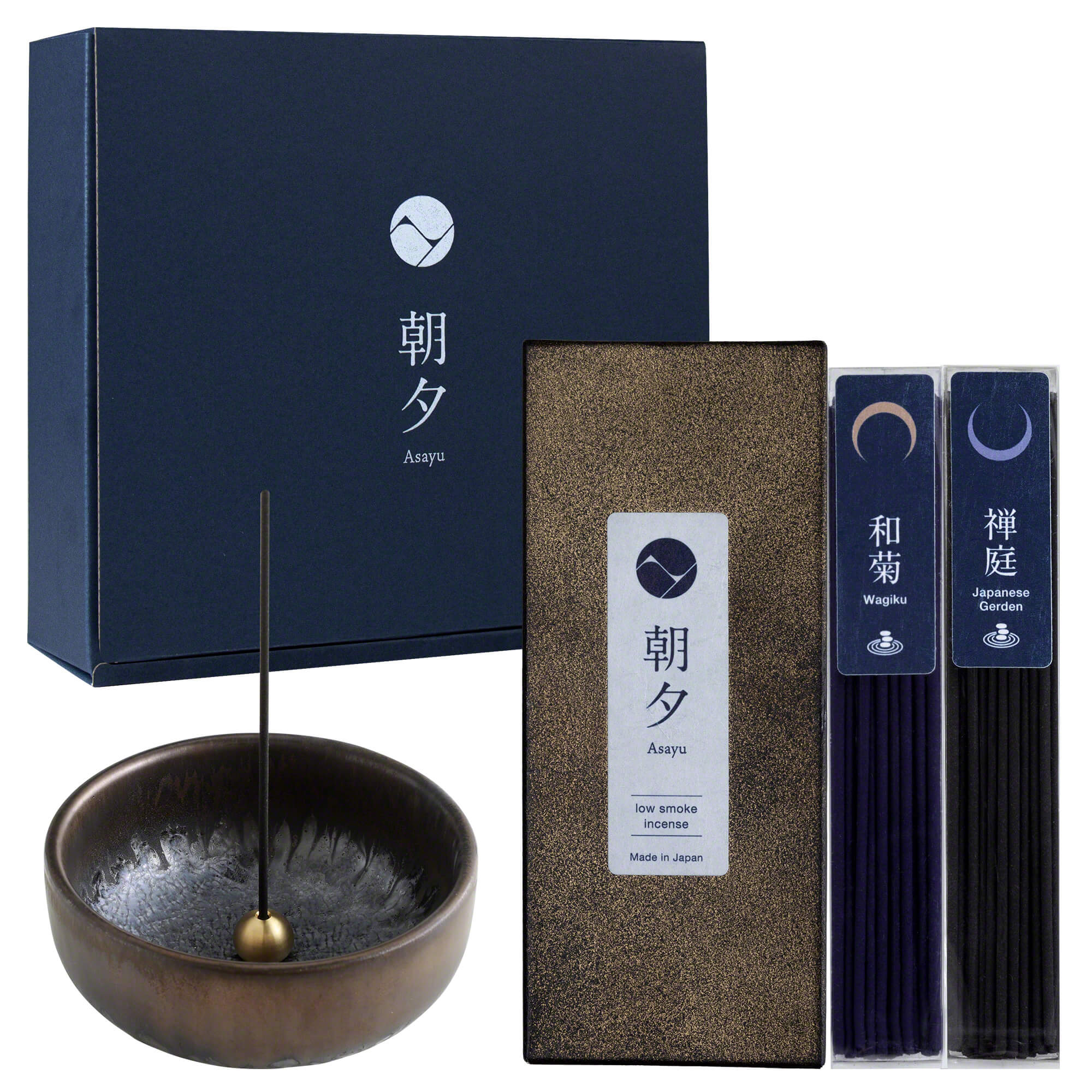
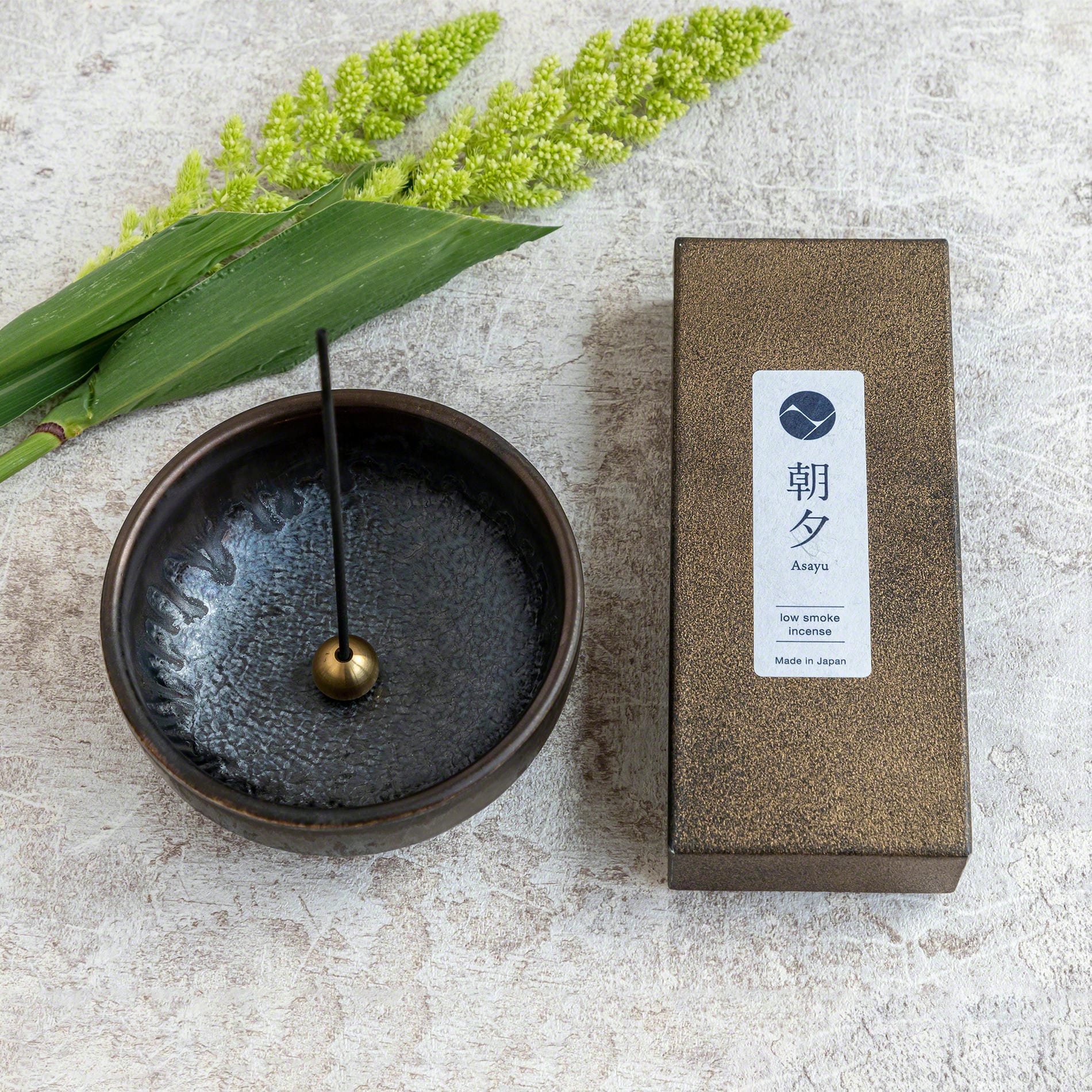
Coffret Duo d’Encens Japonais Jardin & Chrysanthème avec Porte-Encens Zen
Coffret Duo d’Encens Japonais Jardin & Chrysanthème avec Porte-Encens Zen
$61.99 USD