




Your Ultimate Guide to Japanese Onsens & Bathhouses

There is perhaps no cultural experience in Japan more intimate and revitalizing than the Onsen. Stepping into a Japanese bathhouse is not just about getting clean; it is a ritual of purification, a social hub, and a profound beauty secret that has kept Japanese skin glowing for centuries.
Whether you are nervous about the nudity, confused about the rules, or simply want to know how to prepare like a local, this guide covers everything you need to know before you drop the towel.
1. Onsen vs. Sento: What’s the Difference?
Before you go, you must know what you are walking into. While both are communal bathhouses, the water makes the difference.
-
Onsen (温泉): These are natural hot springs. To legally be called an onsen, the water must come from a natural geothermal source and contain at least one of 19 specific minerals (like sulfur, iron, or metabolic acid). They are often found in resort towns or mountains and are focused on healing and relaxation.
-
Sento (銭湯): These are communal public bathhouses that use heated tap water. They are historically practical places for locals to wash up and socialize. While they lack natural minerals, many modern sento (or "Super Sento") add herbal soaks, carbonated water, and saunas.
2. What Actually Happens Inside? (Step-by-Step)
The process is almost identical for both. Here is the standard flow:
-
Shoe Locker: Take off your shoes at the entrance and lock them in a small cubby.
-
Tickets: Buy a ticket from a vending machine or pay the attendant at the counter.
-
The Gender Split: Walk through the curtain (Noren) matching your gender. Blue (男) is for men; Red (女) is for women.
-
Disrobe: In the changing room, remove all clothing. Place your clothes and phone in a locker or basket. You enter the bathing area with nothing but a small towel.
-
The Wash: Sit at a shower station (on a small stool). Wash your entire body thoroughly with soap and water. Never enter the communal bath dirty.
-
The Soak: Step into the bath. Relax.
-
The Cool Down: After soaking, you can take a cold shower or sit in the sauna (if available) before dressing.

3. The Elephant in the Room: Nudity & Shyness
"Do you wear clothes in a Japanese bathhouse?"
The short answer is no. Swimsuits are strictly prohibited in traditional onsens for hygiene reasons. You must be fully nude.
"I’m shy. How do I handle this?"
-
The Small Towel: In most places you can rent or are given a small white towel. You can hold this in front of you while walking from the changing room to the bath. However, the towel never touches the water. Place it on your head or on the side of the tub while you soak.
-
Everyone is Naked: The most comforting realization is that nobody cares. In Japan, the bathhouse is a place where social hierarchy dissolves. People are there to relax, not to stare.
-
Private Options: If you truly cannot do it, look for a "Kashikiri" (private rental bath) or a Ryokan with an in-room bath.
4. Onsen Etiquette: The Golden Rules
-
Wash First: This cannot be stressed enough. Scrub before you soak.
-
Tie Up Long Hair: Hair should never touch the bathwater.
-
Keep Quiet: These are places of zen. Conversations should be hushed.
-
No Tattoos (Usually): Traditionally, tattoos are associated with the Yakuza. Many places still ban them, though "tattoo-friendly" onsens are becoming more common. Cover small tattoos with a bandage if possible.
5. Practical FAQs
-
How much does it cost?
-
Sento: approximately ¥400–¥600
-
Onsen: ¥400–¥2,000 can vary a lot
-
Ryokan onsen: often included with accommodation
-
-
At what age can you go? There is no minimum age (babies are allowed if the parents are comfortable), but children must be toilet trained to enter the main baths. Mixed bathing for children (a boy going into the women's side with mom) is usually capped around age 6 or 7, depending on the prefecture.
-
What to do in an Onsen town? In towns like Hakone or Kinosaki, the activity is the bathing. You wear a Yukata (cotton kimono) and Geta (wooden sandals) provided by your hotel, stroll through the streets, visit multiple bathhouses ("Onsen-hopping"), eat eggs boiled in the hot spring water, and enjoy foot baths (Ashiyu).
6. The Japanese Beauty Secret: What to Bring
Most people assume you just bring a towel, but if you want the true Japanese beauty experience, and if you want to leave with skin like silk, you should curate your bathing kit.
Japanese bathhouses are the original spas. The combination of steam, minerals, and exfoliation is why locals have such radiant skin. Here is what you should bring to elevate your soak:
1. The Antibacterial Powerhouse: Persimmon Soap
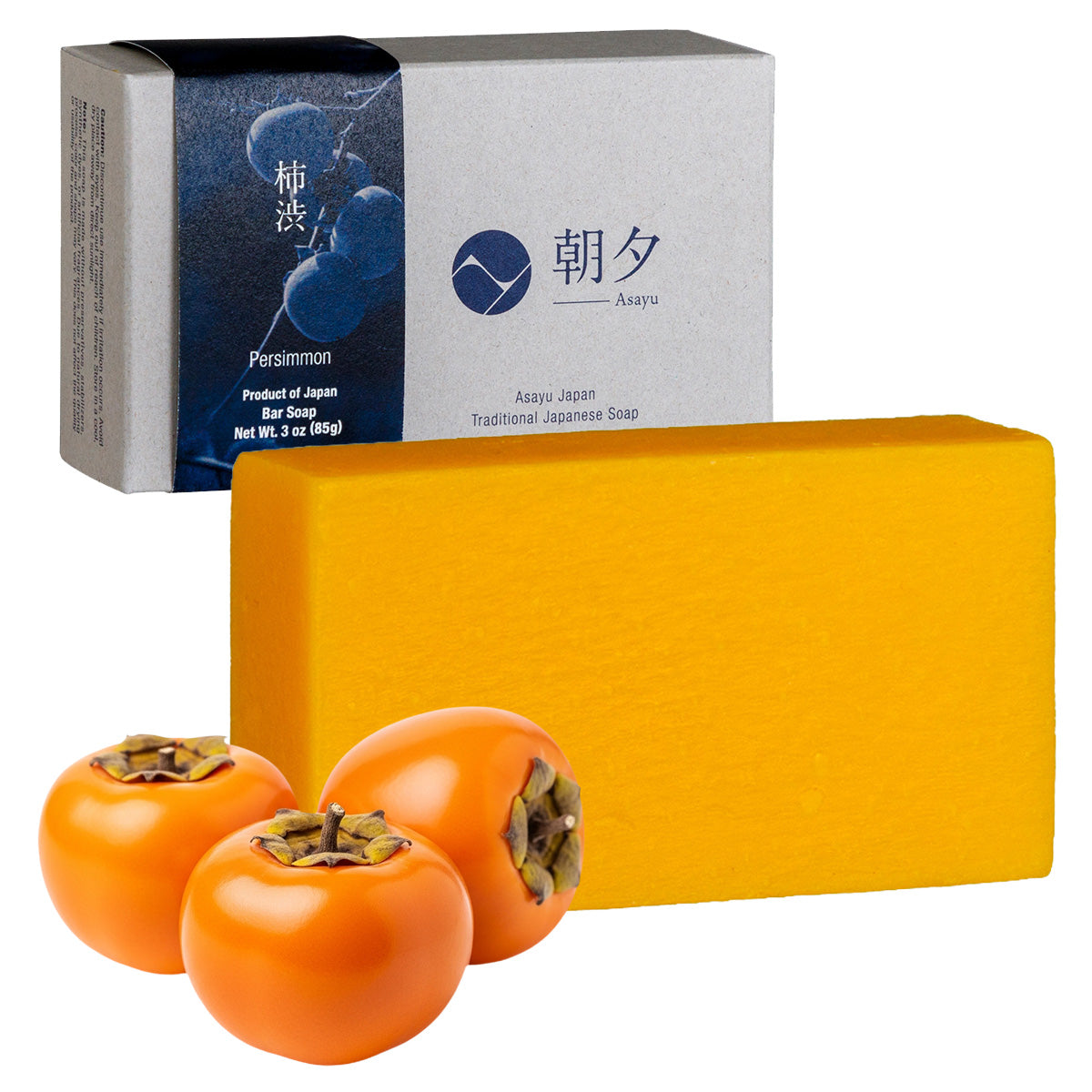
While onsens provide generic body wash, the Japanese secret to feeling truly clean is Persimmon (Kaki) Soap.
Persimmon tannin is a natural deodorizer and antibacterial agent used in Japan for centuries. It doesn't just mask odors; it breaks them down.
-
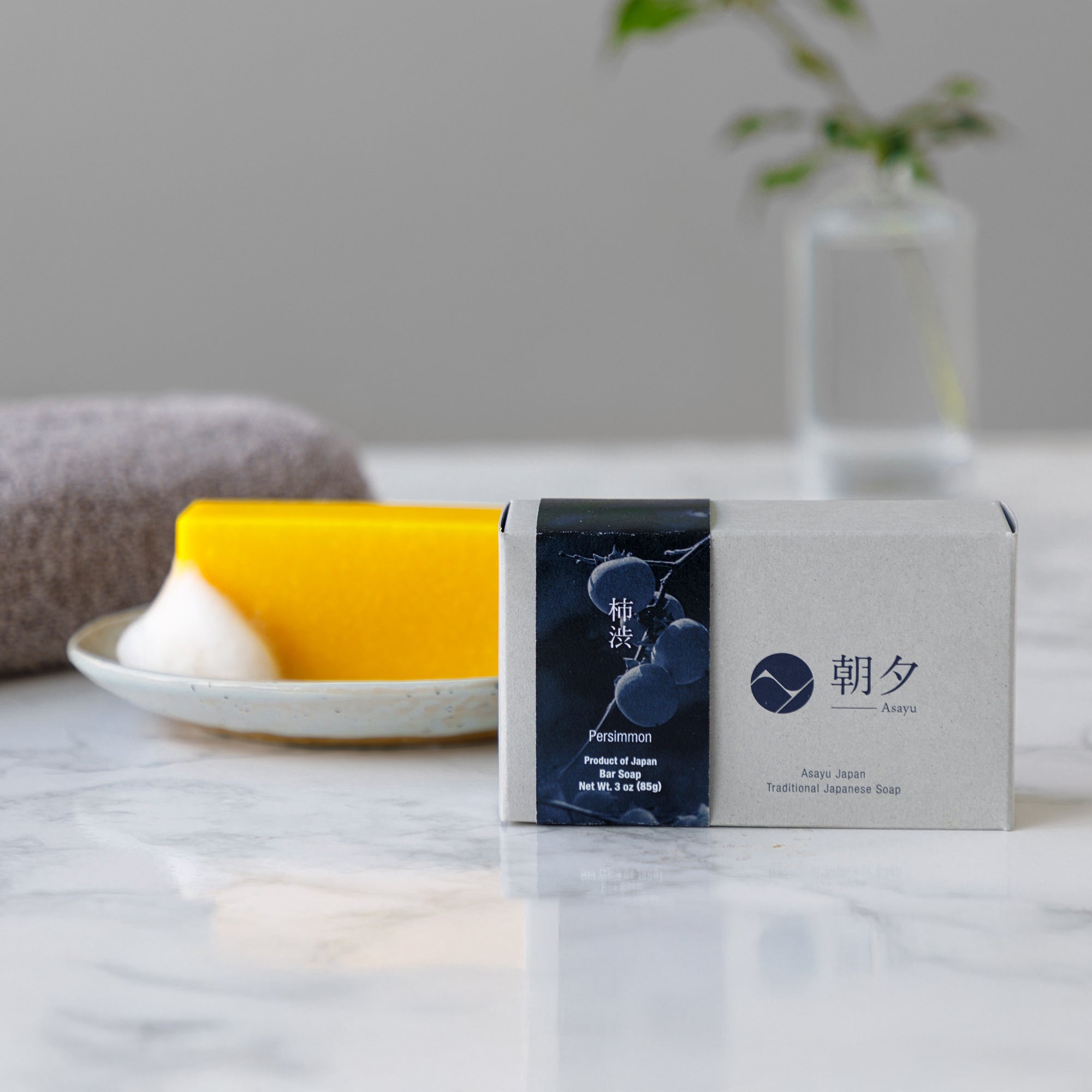
Why bring it? After a long day of travel, a standard soap might not cut it. Asayu Japan’s Natural Persimmon Body Soap is cold-pressed and perfect for the pre-soak wash. It ensures you are pristine before entering the water and helps maintain that fresh feeling long after you leave the steamy humidity of the bath.
- Each soap highlights a Japanese botanical with a specific purpose. Persimmon helps neutralize nonenal odors and leaves the skin feeling clean and balanced. Yuzu brings a bright, refreshing citrus note that revives tired skin and senses. Hinoki, a Japanese cypress, is known for its soothing, skin-comforting properties and its soft woody scent, making it ideal for sensitive or tired skin.

2. The Exfoliation Ritual: The Scrub Towel
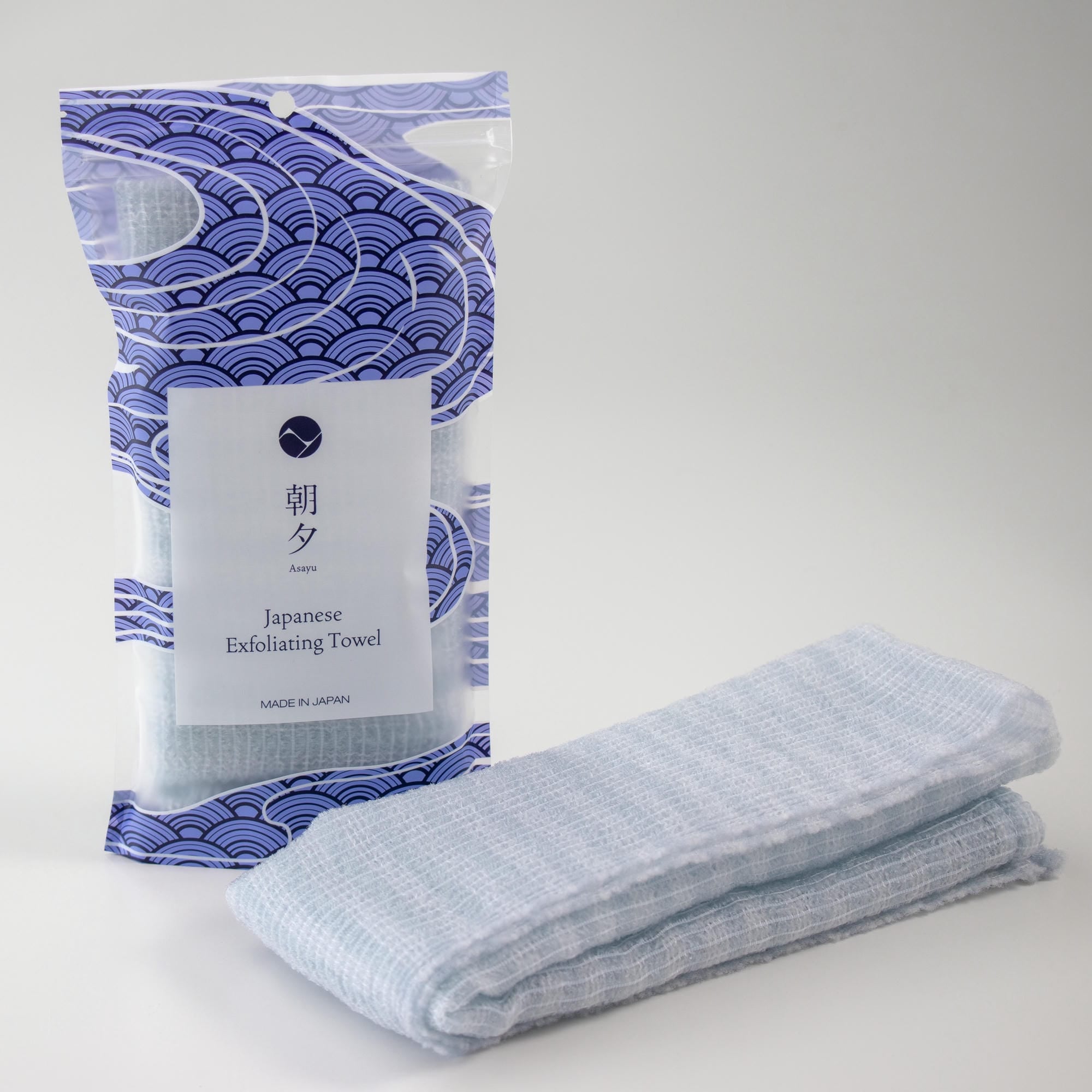
You will see locals scrubbing their backs vigorously with a long, textured towel. This is not a standard washcloth; it’s an exfoliating towel designed to boost circulation and slough off dead skin softened by the steam.
-
Why bring it? Using Asayu Japan’s Exfoliating Towel during your wash creates a rich lather and polishes the skin. When you follow this exfoliation with a mineral-rich soak, your skin absorbs the beneficial properties of the water much better.
3. The After-Care: Hydration
Onsen water is healing, but the heat can be dehydrating. Drink plenty of water. Afterward, your pores are open and primed for skincare. This is the best time to apply oils or heavy creams.
4. Bringing the Onsen Home
If you can't make it to a bathhouse every week, you can recreate the atmosphere.
-
Scent: The smell of an onsen is distinct, woody, mossy, and clean. Burning Hinoki (Japanese Cypress) or Sandalwood incense (like Asayu’s low-smoke incense) in your bathroom can trigger that same relaxation response.
-
Lighting: Dim the lights and focus on the sound of water.

Asayu Exfoliating Towel, a must-have in Onsens
Summary Checklist for Your Onsen Bag:
-
Small Towel: Essential.
-
Large Bath Towel: Keep this in the locker for drying off after the bath.
-
Hair Tie: For long hair.
-
Quality Soap: Asayu Japan Persimmon Soap for deep cleansing and odor protection.
-
Exfoliating Towel: For that polished "Onsen skin."
-
Coins: 100 Yen coins for returnable shoe lockers.
Embrace the vulnerability, scrub harder than you think you need to, and let the thermal waters wash away your stress. Welcome to the world of Onsen.
Discover more on the topic:
Persimmon Soap Benefits
What does Persimmon Soap Smell Like?
Answer to Nonenal Odor & Japanese Persimmon
Japanese Exfoliating Soft Surface Body Towel - Light Blue and White
Japanese Exfoliating Soft Surface Body Towel - Light Blue and White
$16.99 USD
Natural Hinoki Body Soap - 1 Bar, 85g, Cold Press
Natural Hinoki Body Soap - 1 Bar, 85g, Cold Press
$19.99 USD
Natural Yuzu Body Soap - 1 Bar, 85g, Cold Press
Natural Yuzu Body Soap - 1 Bar, 85g, Cold Press
$19.99 USD


Our Newsletter
Japanese Exfoliating Soft Surface Body Towel - Light Blue and White
Japanese Exfoliating Soft Surface Body Towel - Light Blue and White
$16.99 USD
Natural Hinoki Body Soap - 1 Bar, 85g, Cold Press
Natural Hinoki Body Soap - 1 Bar, 85g, Cold Press
$19.99 USD
Natural Yuzu Body Soap - 1 Bar, 85g, Cold Press
Natural Yuzu Body Soap - 1 Bar, 85g, Cold Press
$19.99 USD
Natural Persimmon Body Soap - 1 Bar, 85g, Cold Press
Natural Persimmon Body Soap - 1 Bar, 85g, Cold Press
$19.99 USD

0 comments