

Geta vs. Zori, A guide

Let’s talk about footwear. Not the flashy, look-at-me kind, but the ones that quietly get the job done while making you wonder, “Why don’t all shoes work this way?” In Japan, sandals like geta, zori, and setta have been answering that question for centuries. No frills, no hype. Just clever design, honest materials, and a lot of common sense.
What’s the Deal with Geta, Anyway?
You’ve seen them: wooden platforms with two slats underneath, clacking like percussive instruments on pavement. Geta are the workhorses of Japanese footwear. Originally practical (those elevated “teeth” kept kimono hems dry on muddy roads), they’re surprisingly ergonomic. The slope of the footbed aligns your posture, and the open design lets your feet breathe. Sure, walking in them feels awkward at first like learning to ride a bike but once you relax into the rhythm, it clicks. Modern iterations add rubber grips or softer woods, but the bones remain the same: unapologetically functional.

Zori: The Flip-Flop’s Smarter Cousin
Flat, lightweight, and often woven from straw, leather or vinyl, zori are Japan’s answer to “dressing up without trying.” They’re what you wear with a kimono to a summer festival, but also what you slip on to grab groceries. The secret? That split-toe thong (meant for tabi socks) that keeps the sandal glued to your foot without pinching. Unlike flimsy flip-flops, zori have structure their soles are firm enough to walk miles, yet flexible enough to fold into a bag.
But zori also carry history. Their roots stretch back to the Heian period, where they started as upgraded field sandals. They were everyday wear in regions like Tsugaru and southern Iwate people even wore them to school until the 1930s. Before Western-style shoes swept through Japan during the Meiji era, zori were the shoe. Today, they’re still seen as more refined than geta, especially when paired with formal kimono like furisode or tomesode. And yes the more layers stacked in the sole, the more formal they’re considered. Prestige in inches.

Setta: The Underrated Middle Ground
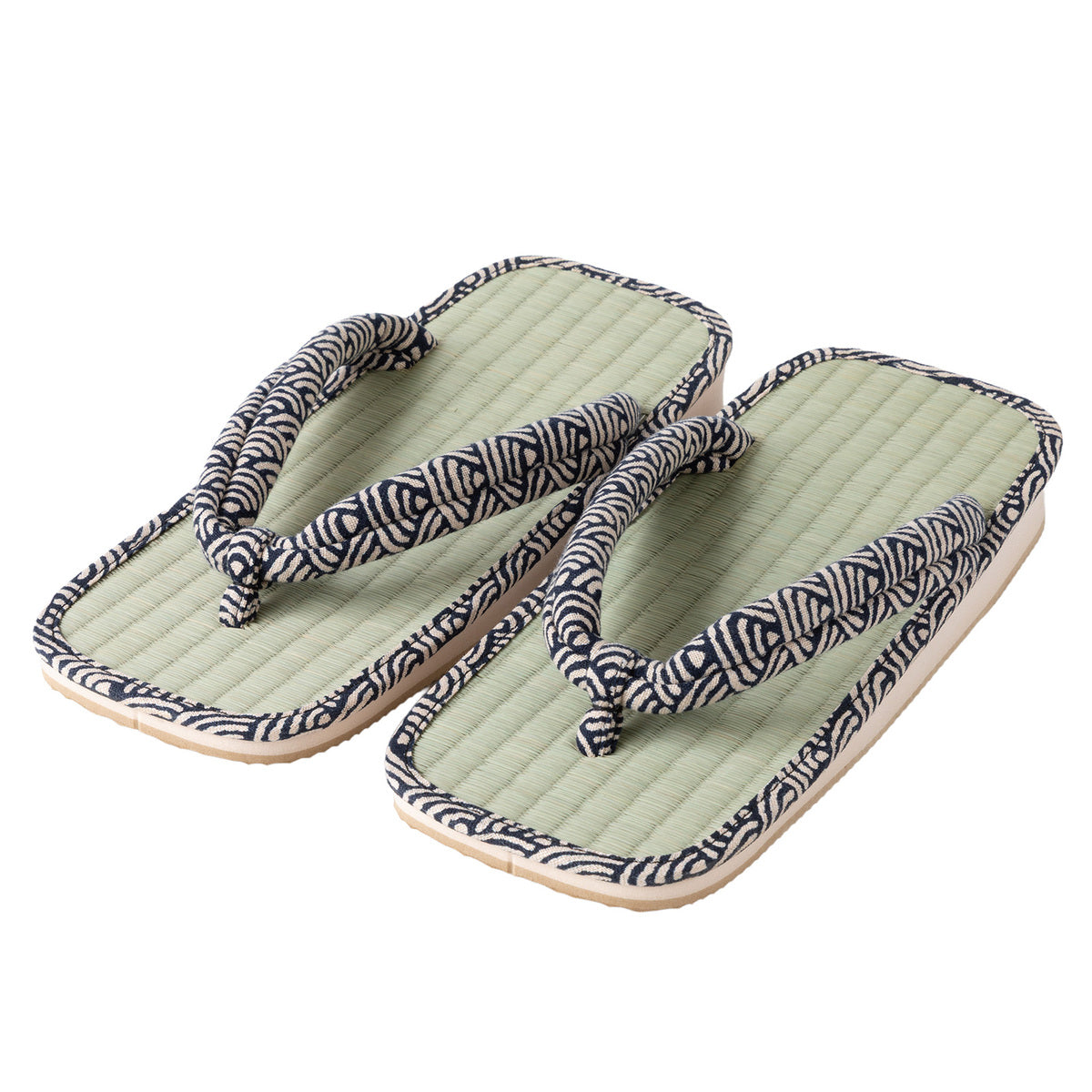
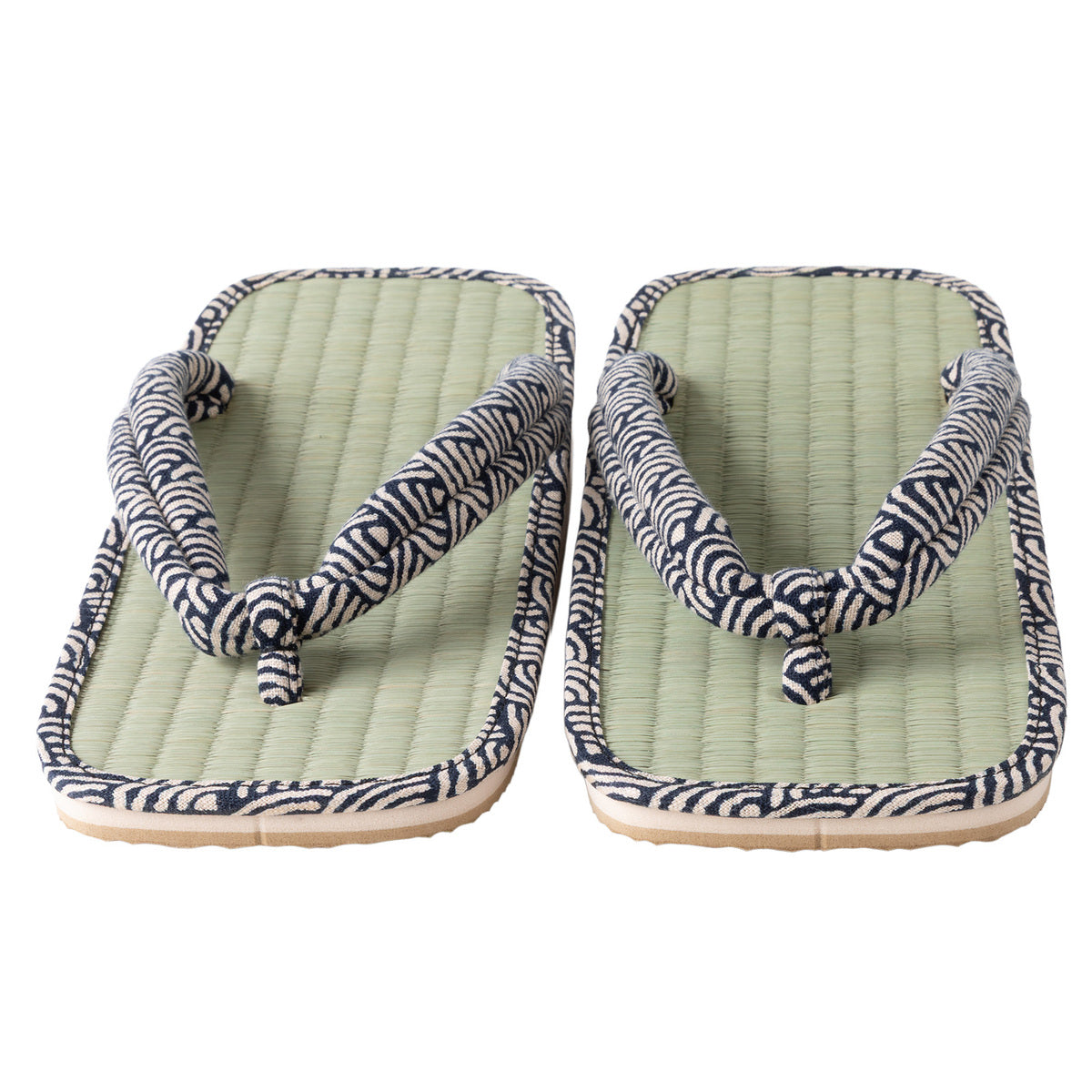
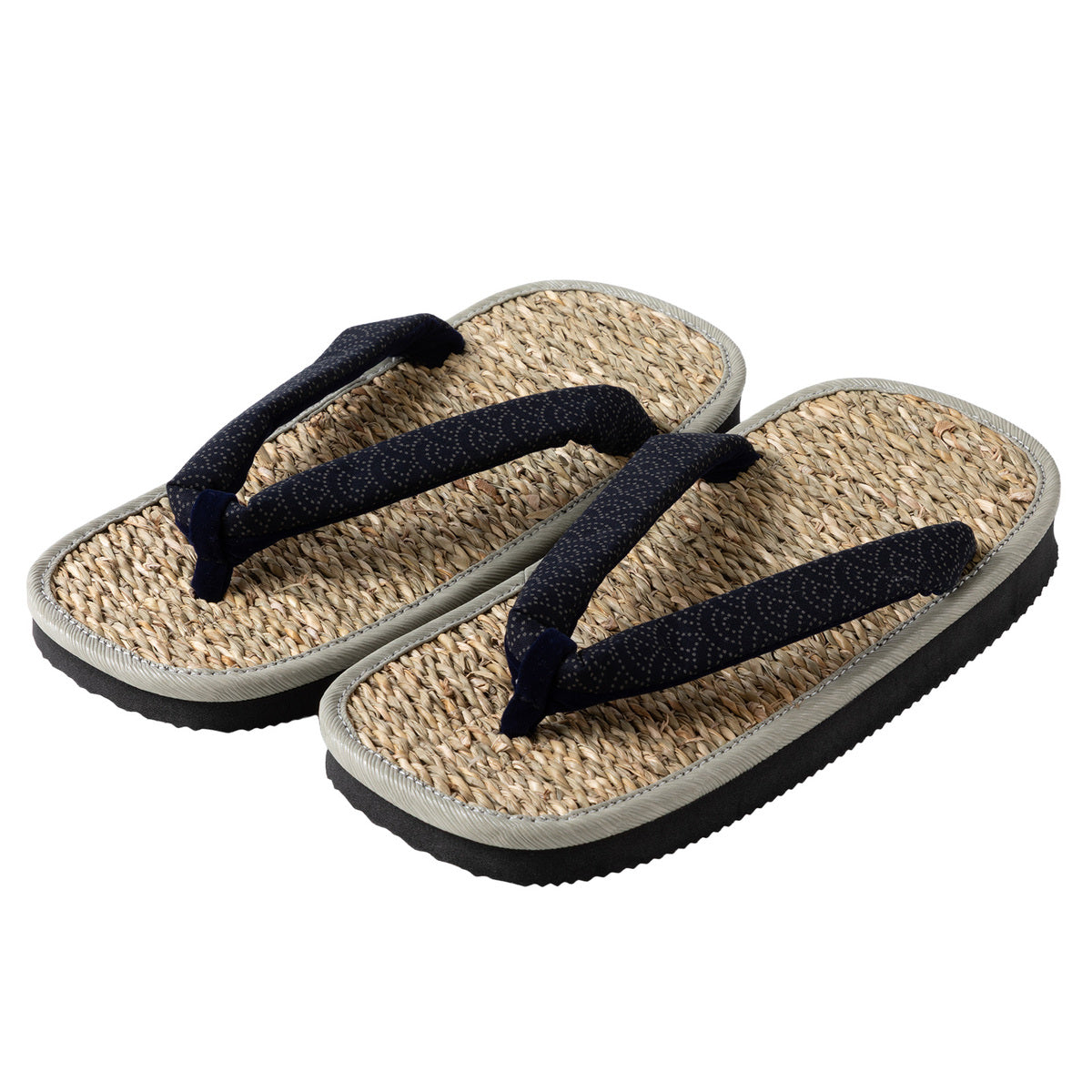
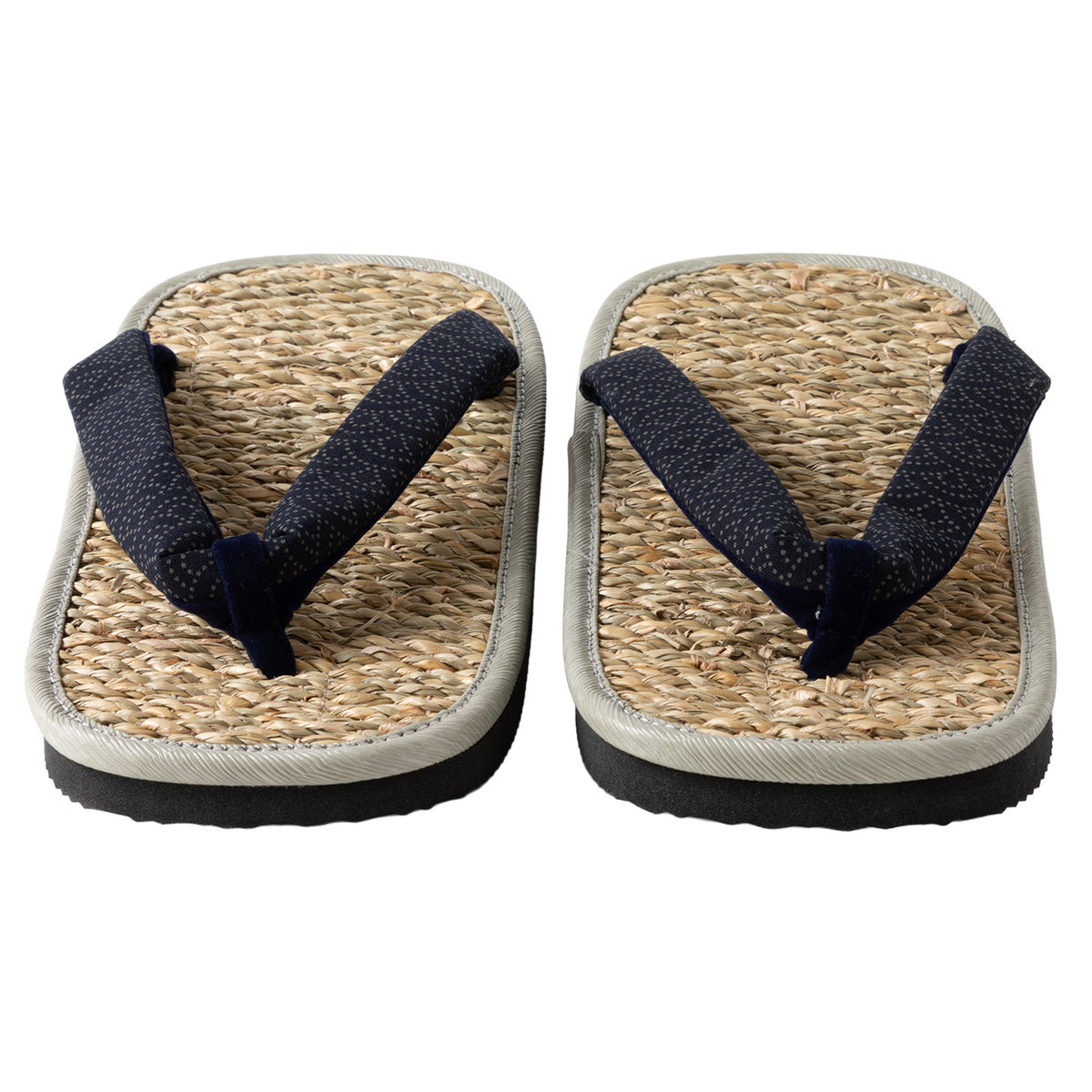
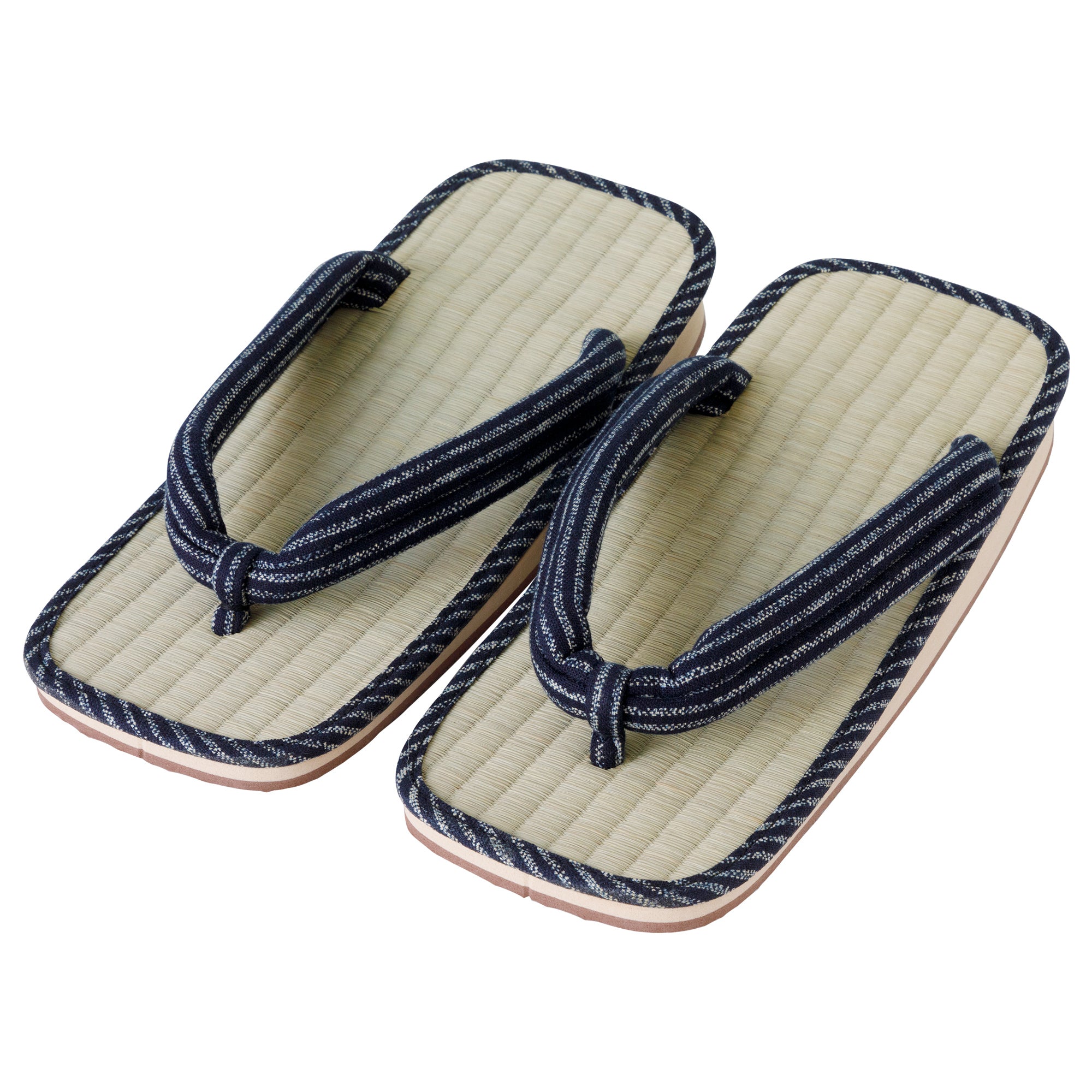
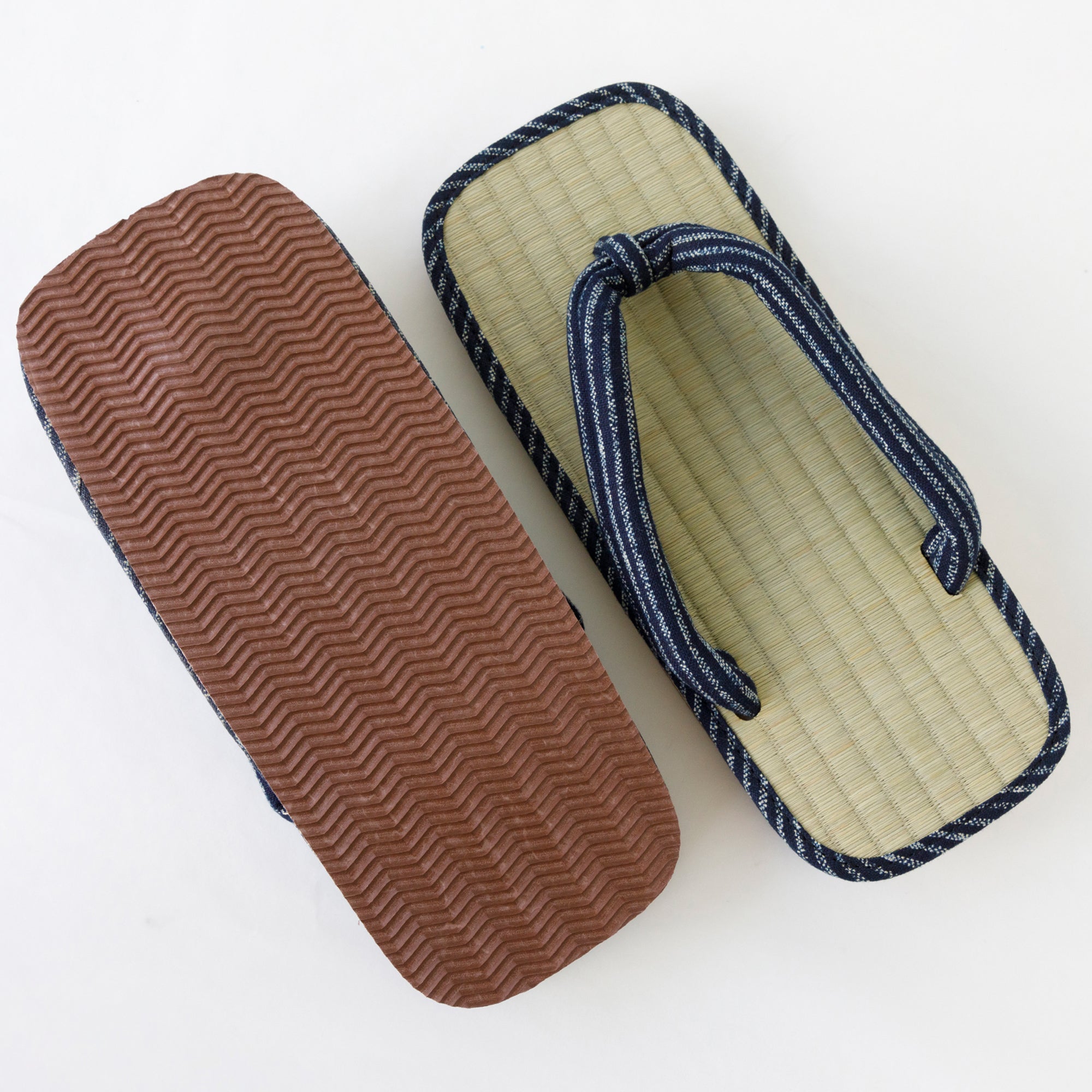
Now, meet setta. If geta and zori had a minimalist lovechild, this would be it. Born in the Edo period and a specific type of zori, setta were the everyday shoe for samurai and merchants alike. No lofty wooden teeth here just a flat sole made from igusa (rush grass), cotton straps, and a slim rubber base.
What makes them interesting?
-
The Materials: Igusa isn’t just nostalgic; it’s antimicrobial and moisture-wicking. Traditional setta often used leather stretched over bamboo soles sometimes even with a small piece of iron at the heel for durability (and that satisfying clink when you walk). Today’s versions still nod to that legacy, but you’ll also find soles made from modern materials like urethane or rubber more grip, less fuss.
-
The Weight: They’re light enough to forget you’re wearing them.
-
The Fit: The size follows the Japanese standard snug but forgiving, with a toe loop that stops the dreaded “flip-flop slap.”
Also worth noting: while most traditional setta were made for men, and often remain styled that way, the modern versions are increasingly unisex and adaptable. Think less “gendered tradition,” more “timeless utility.”
Why These Sandals Stick Around
Let’s be real: most traditional footwear fades because it’s impractical. Not these.
-
Geta survive because they solve a problem (wet hems) with zero fuss. And add a unique style, no debate here.
-
Zori endure because they’re the ultimate packable shoe.
-
Setta? They’re the sleeper hit. The rush grass isn’t just “eco-friendly” it’s been field-tested for 400 years. The rubber sole isn’t “innovative”; it’s a quiet upgrade to something that already worked. And yes, leather’s still around especially for soles but many newer models embrace lighter, plant-based or cushioned materials too. Same spirit, different finish.
And yes, they pair with everything. Kimono? Obviously. Jeans and a T-shirt? Sure. The goal isn’t to be “stylish” in a trendy sense it’s to be adaptable.

The Real Reason to Try Them
Here’s the thing: Japanese sandals aren’t trying to make a statement about “mindfulness” or “connecting with history.” They’re simply about keeping things simple and doing it well.
You wear geta when you want to slow down. You reach for zori when ease matters. You choose setta when you just want a sandal that quietly gets the job done.
So next time you’re don't know what to wear, remember: somewhere in Japan, there’s a 300-year-old solution waiting. And it doesn’t care if you’re impressed. It just works.
Sandali giapponesi tradizionali tatami setta zori, fatti in Giappone - Seigaiha
Sandali giapponesi tradizionali tatami setta zori, fatti in Giappone - Seigaiha
$59.99 USD
Sandali giapponesi tradizionali tatami setta zori, fatti in Giappone - SameSeigaiha
Sandali giapponesi tradizionali tatami setta zori, fatti in Giappone - SameSeigaiha
$59.99 USD
Sandali giapponesi tradizionali tatami setta zori, fatti in Giappone - nero a righe
Sandali giapponesi tradizionali tatami setta zori, fatti in Giappone - nero a righe
$59.99 USD


Our Newsletter
Sandali giapponesi tradizionali tatami setta zori, fatti in Giappone - Seigaiha
Sandali giapponesi tradizionali tatami setta zori, fatti in Giappone - Seigaiha
$59.99 USD
Sandali giapponesi tradizionali tatami setta zori, fatti in Giappone - SameSeigaiha
Sandali giapponesi tradizionali tatami setta zori, fatti in Giappone - SameSeigaiha
$59.99 USD
Sandali giapponesi tradizionali tatami setta zori, fatti in Giappone - nero a righe
Sandali giapponesi tradizionali tatami setta zori, fatti in Giappone - nero a righe
$59.99 USD
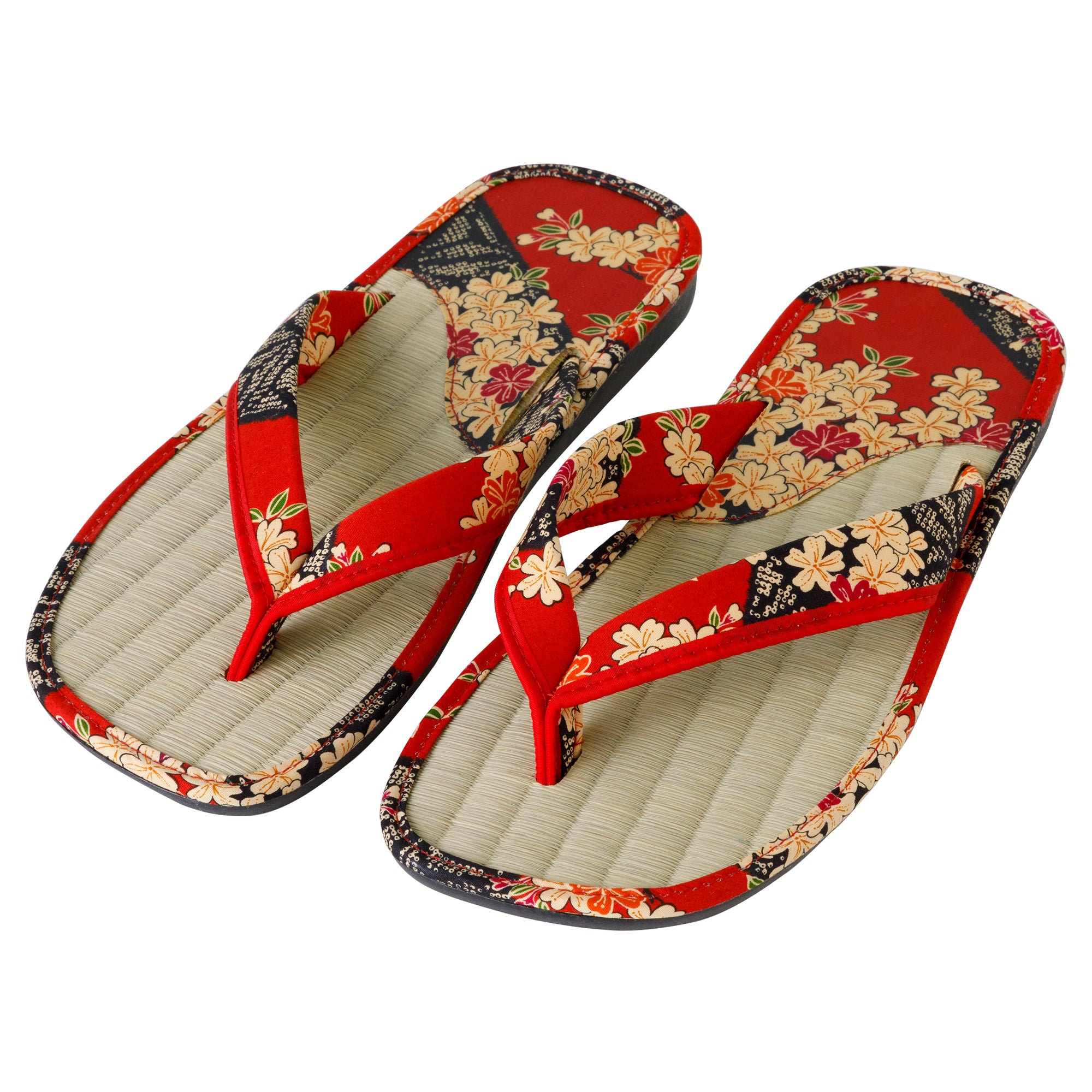
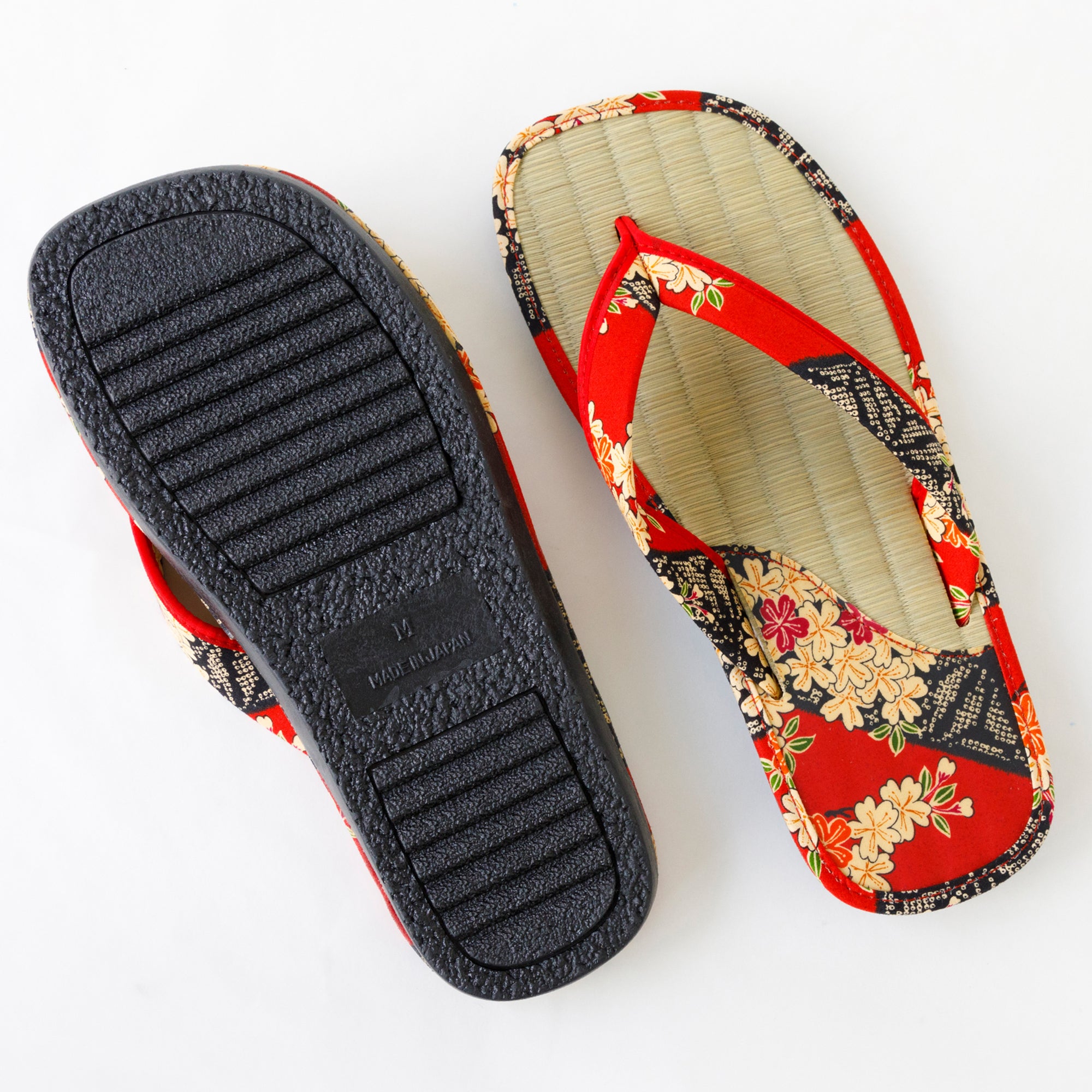
Sandali giapponesi tradizionali tatami setta zori, fatti in Giappone - rosso
Sandali giapponesi tradizionali tatami setta zori, fatti in Giappone - rosso
$59.99 USD